
User Score
1 votes
This is an adaptation of film director Horst Blenek's own novel Die Zelle, which is based on the experiences he suffered as a political prisoner in East Germany and in Russia in the '50s. Filmed in black and white, the dark filming emulates the oppression experienced by the prisoner. In the story, the writer is a prisoner who has not yet been "broken." That is, he has not yet succumbed to the skillfully applied tortures and signed a written confession of his so-called crimes. He is supposed to have planned a bombing incident. He endures an escalating number of indignities, until a fellow prisoner tells him what happens at the next level of torture, in which he would be sent to a "psychiatric" hospital.
Director
Status
Released
Original Language
DE
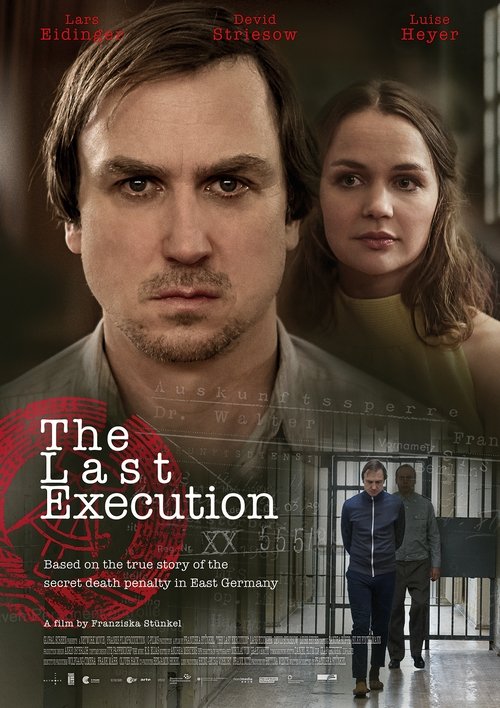
The ambitious scientist Franz Walter doesn't hesitate when he is promised a professorship at the university. He immediately accepts, pledges absolute loyalty to the system and agrees to work for the GDR's foreign intelligence service until he can take up his new position. Together with his colleague Dirk, he is sent on foreign assignments to West Germany. Franz soon has to use blackmail to get innocent people to talk. But his superiors go even further: GDR refugees and their relatives are targeted to be psychologically destroyed, forged letters, medical diagnoses, surveillance and wiretapping are on the agenda. However, this is more than Franz can bear: he feels powerless and increasingly isolates himself. When he then decides to steal secret documents for a later defection to the West, this results in an unfortunate chain reaction leading to his arrest and ultimately to his execution...