
User Score
0 votes
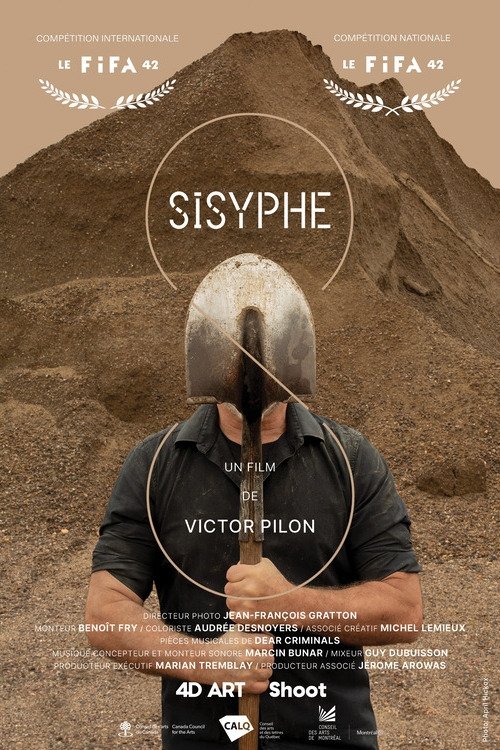
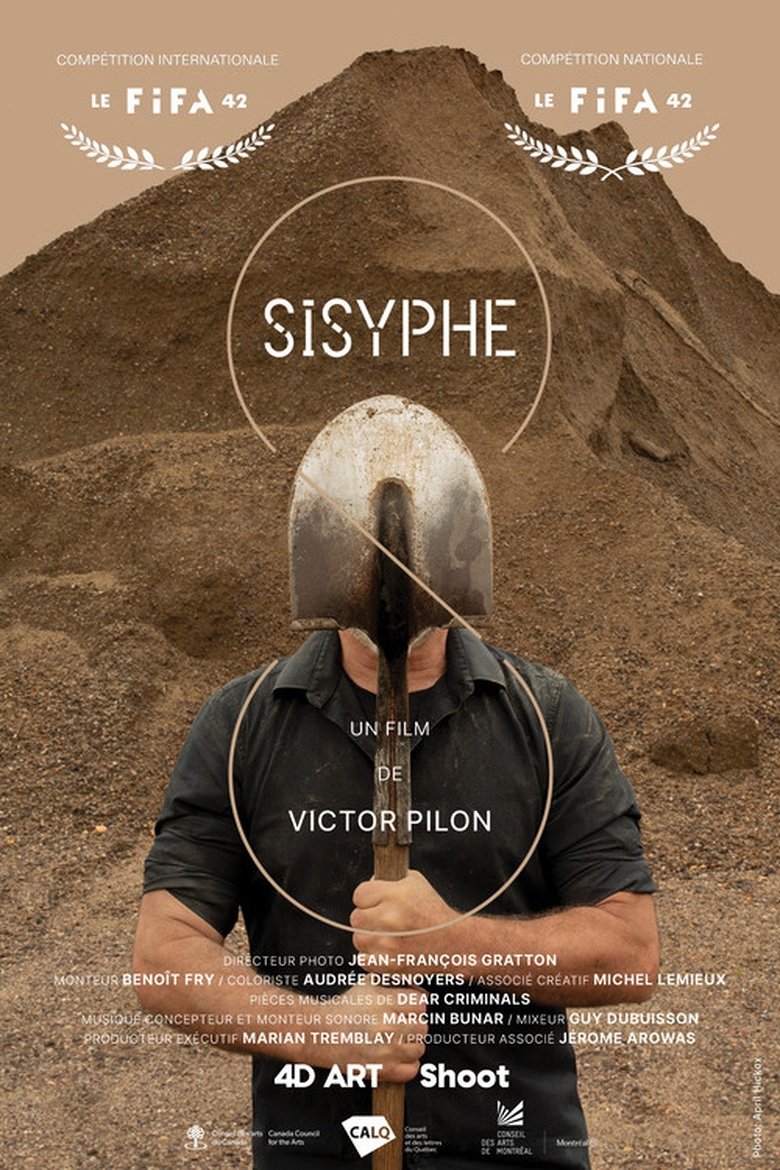
Armed with only a shovel, artist Victor Pilon accomplishes the unimaginable by moving 300 tons of sand in a physical and psychological performance lasting over 180 hours in the heart of Montreal's Olympic Stadium. Inspired by Albert Camus' The Myth of Sisyphus, this acclaimed tour de force is magnificently captured in an eventful film that emotionally reminds us that behind every human tragedy lies a journey as liberating as it is salutary. A masterly production to match a spectacular performance, accompanied by the notes of the Montreal band Dear Criminals.
Director
Status
Released
Original Language
FR

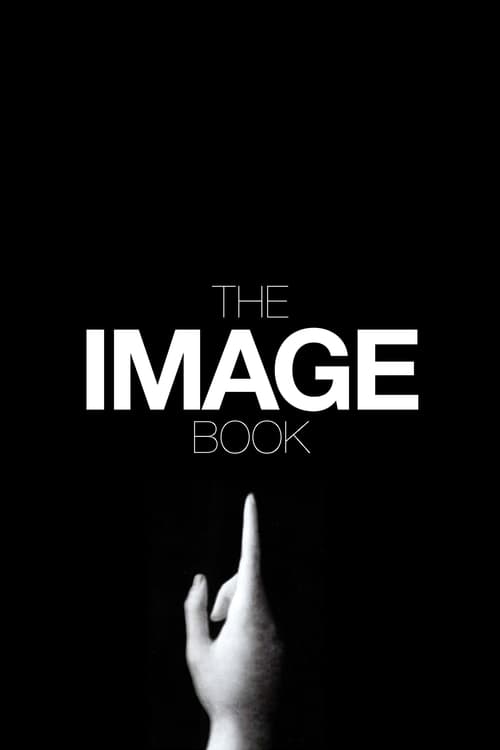
In Le Livre d’Image, Jean-Luc Godard recycles existing images (films, documentaries, paintings, television archives, etc.), quotes excerpts from books, uses fragments of music. The driving force is poetic rhyme, the association or opposition of ideas, the aesthetic spark through editing, the keystone. The author performs the work of a sculptor. The hand, for this, is essential. He praises it at the start. “There are the five fingers. The five senses. The five parts of the world (…). The true condition of man is to think with his hands. Jean-Luc Godard composes a dazzling syncopation of sequences, the surge of which evokes the violence of the flows of our contemporary screens, taken to a level of incandescence rarely achieved. Crowned at Cannes, the last Godard is a shock film, with twilight beauty.

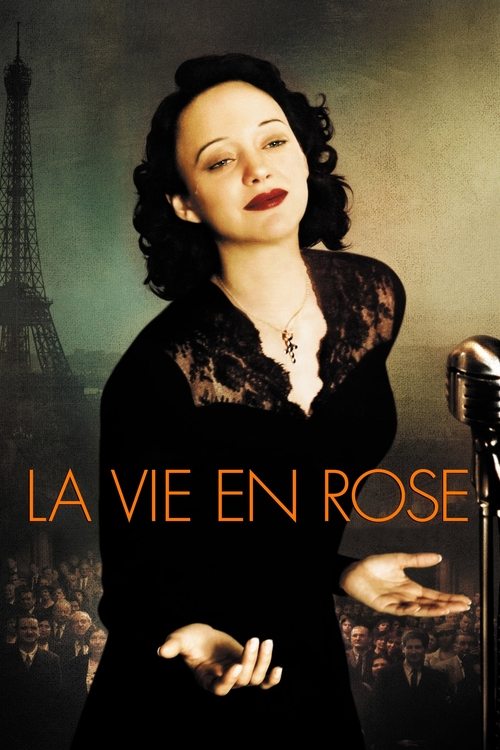
From the mean streets of the Belleville district of Paris to the dazzling limelight of New York's most famous concert halls, Edith Piaf's life was a constant battle to sing and survive, to live and love. Raised in her grandmother's brothel, Piaf was discovered in 1935 by nightclub owner Louis Leplee, who persuaded her to sing despite her extreme nervousness. Piaf became one of France's immortal icons, her voice one of the indelible signatures of the 20th century.