
User Score
10 votes
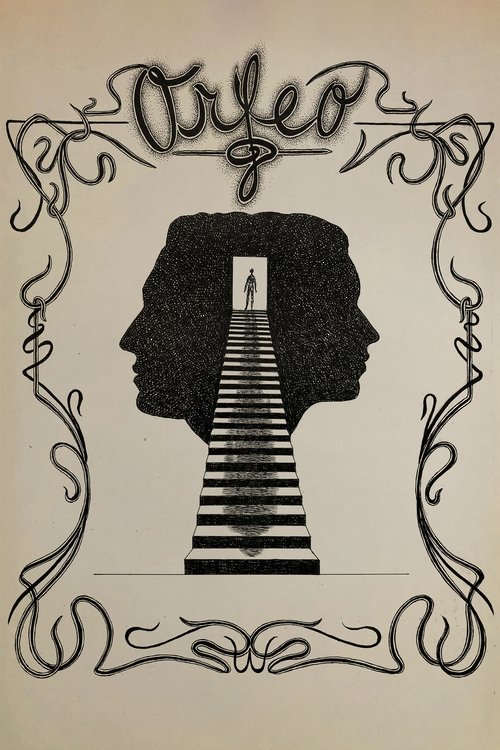
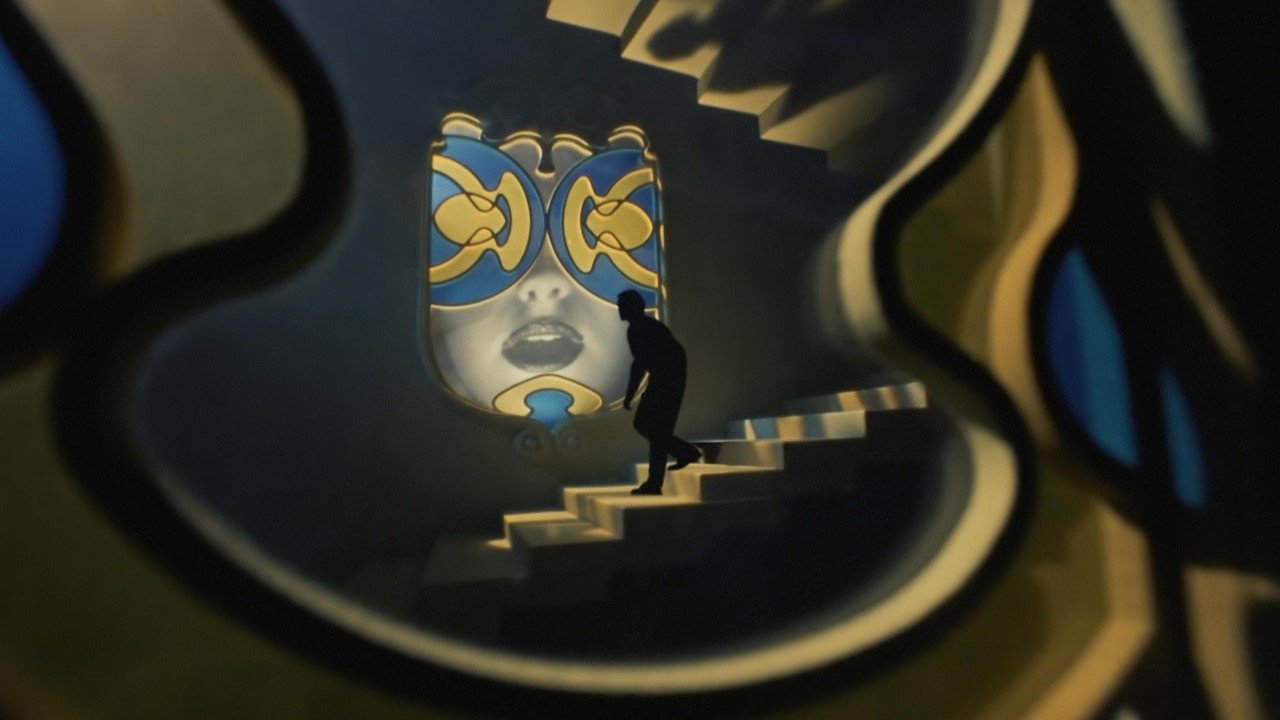
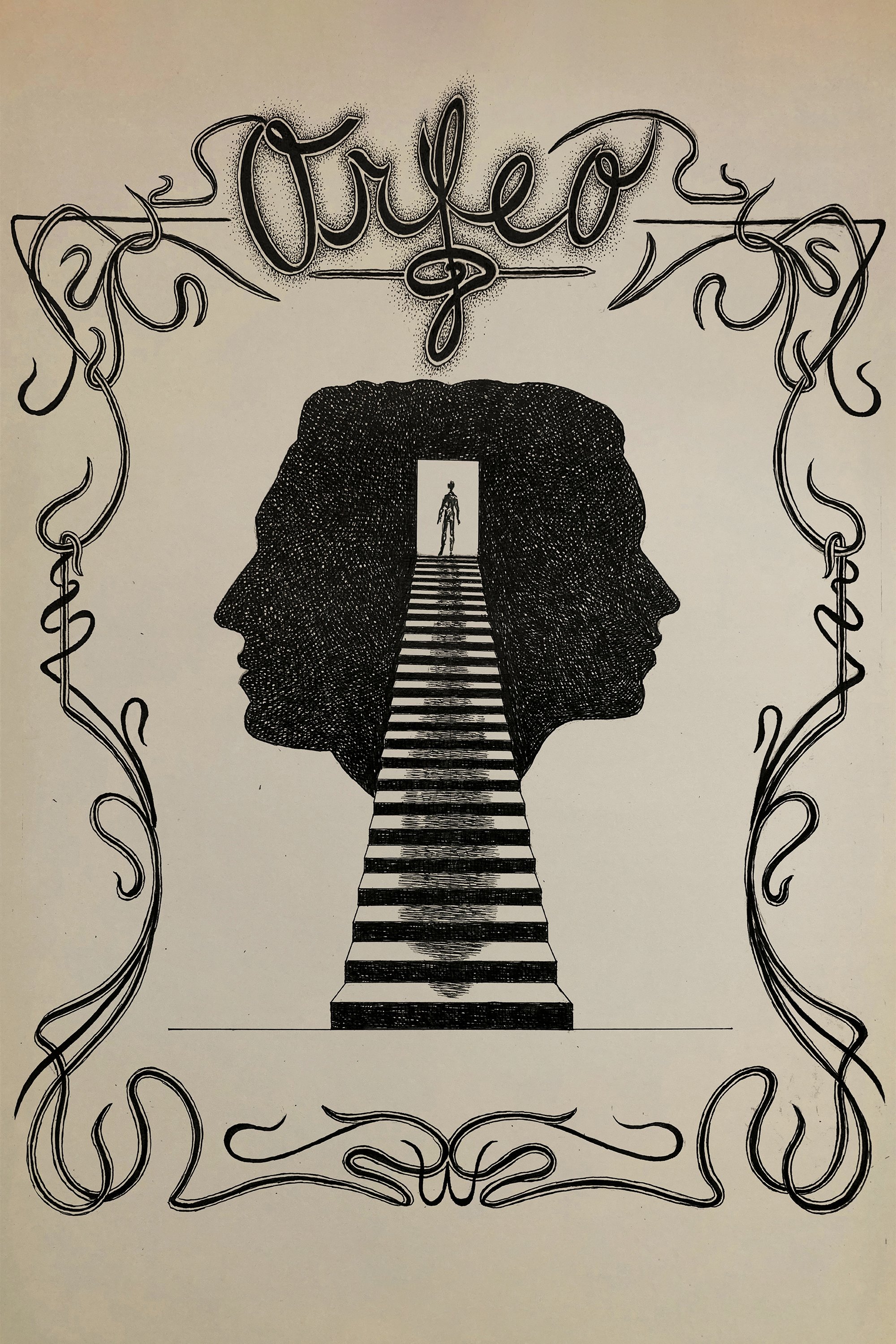
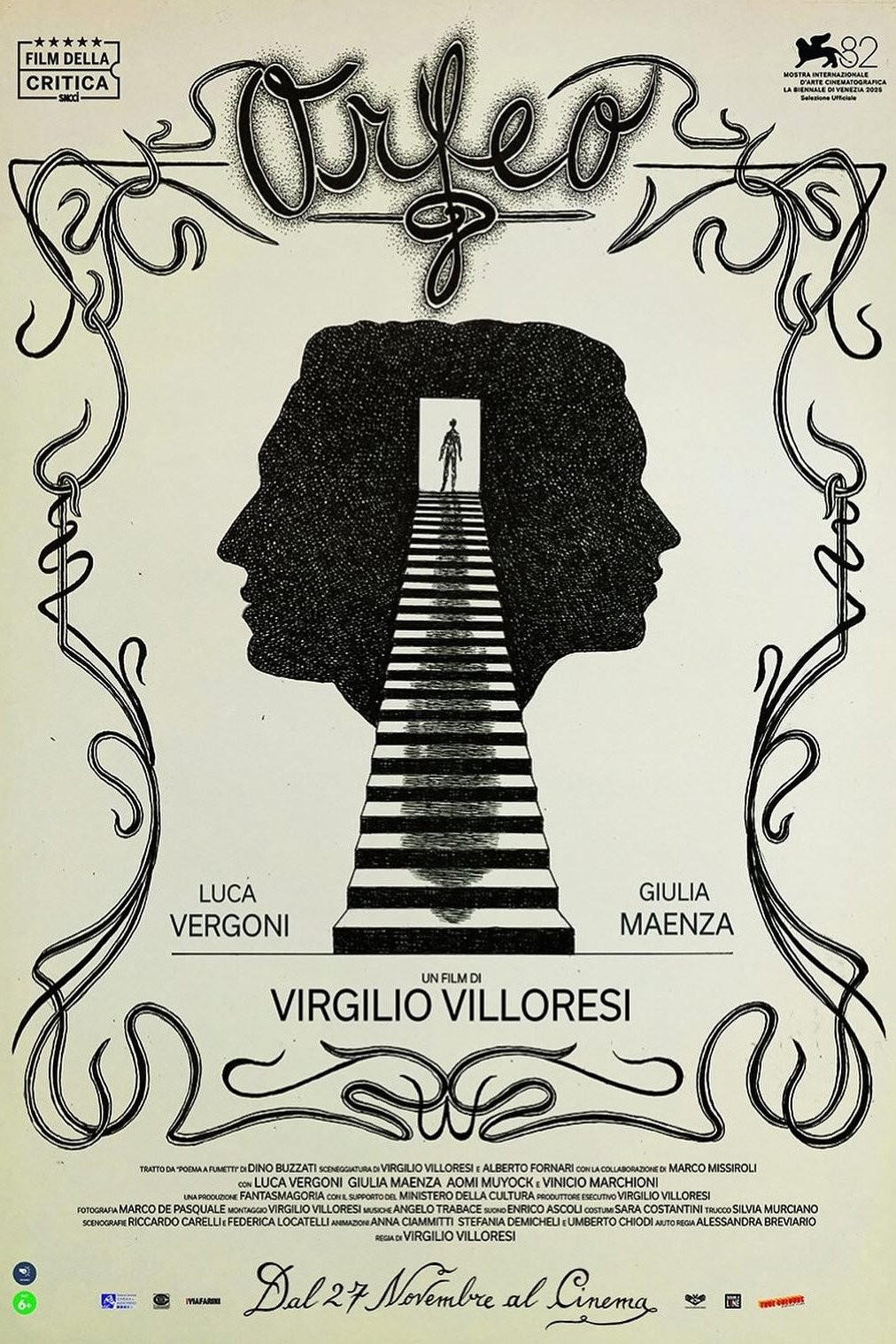
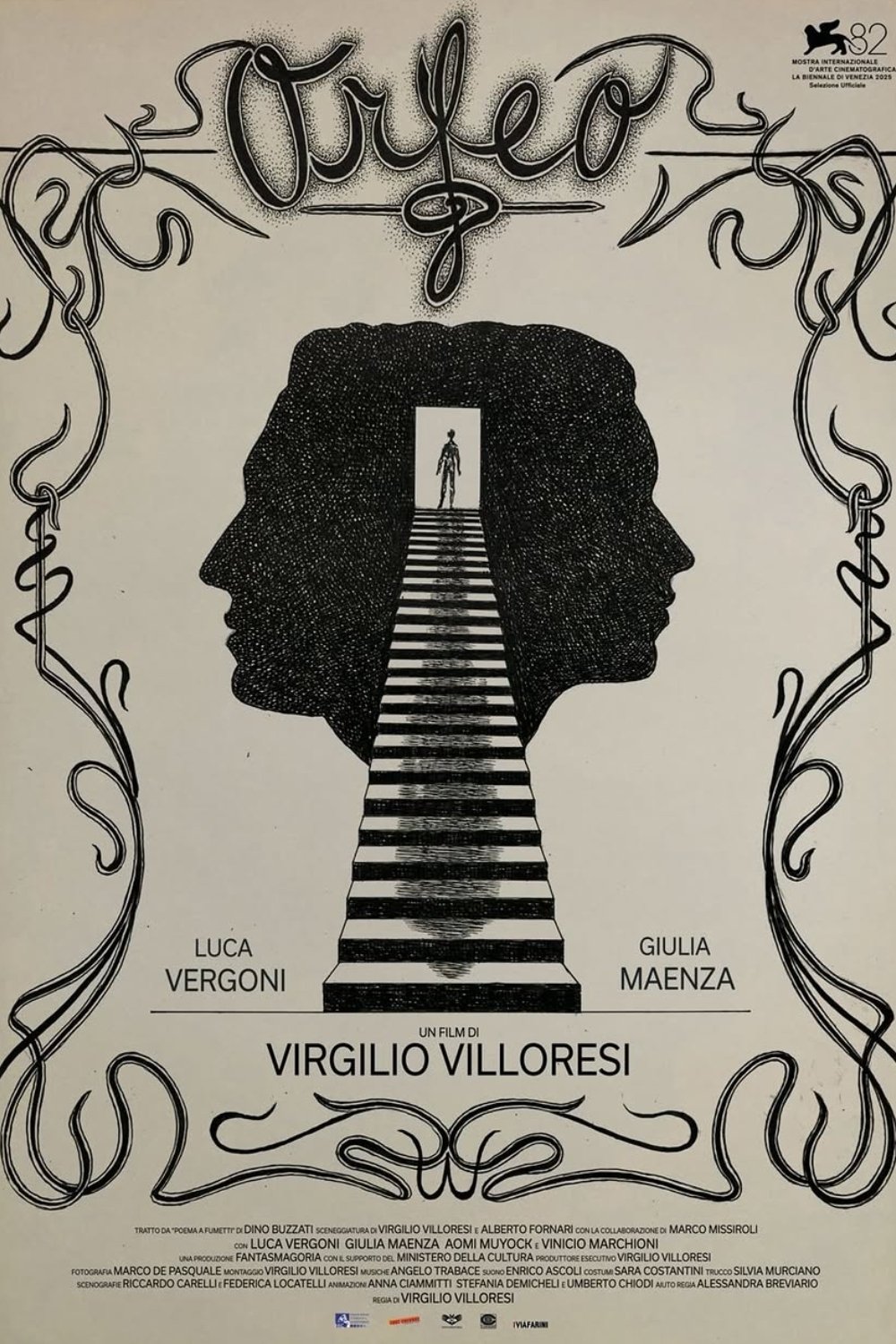
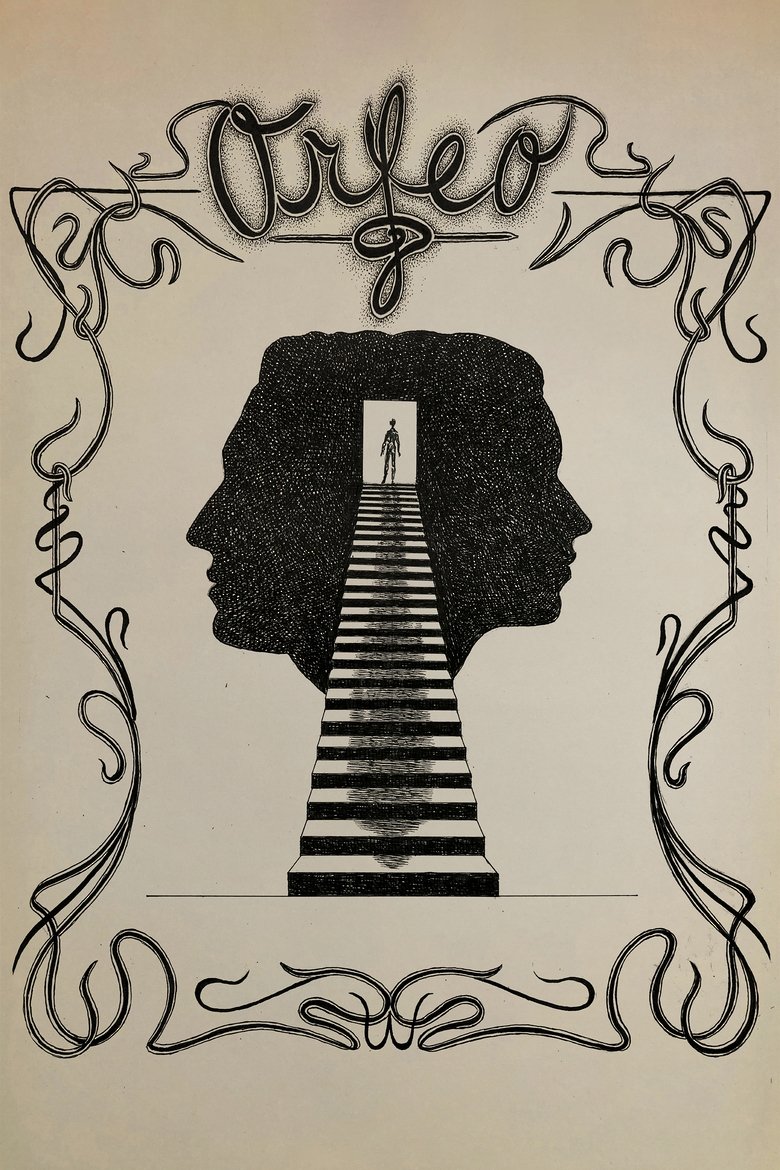
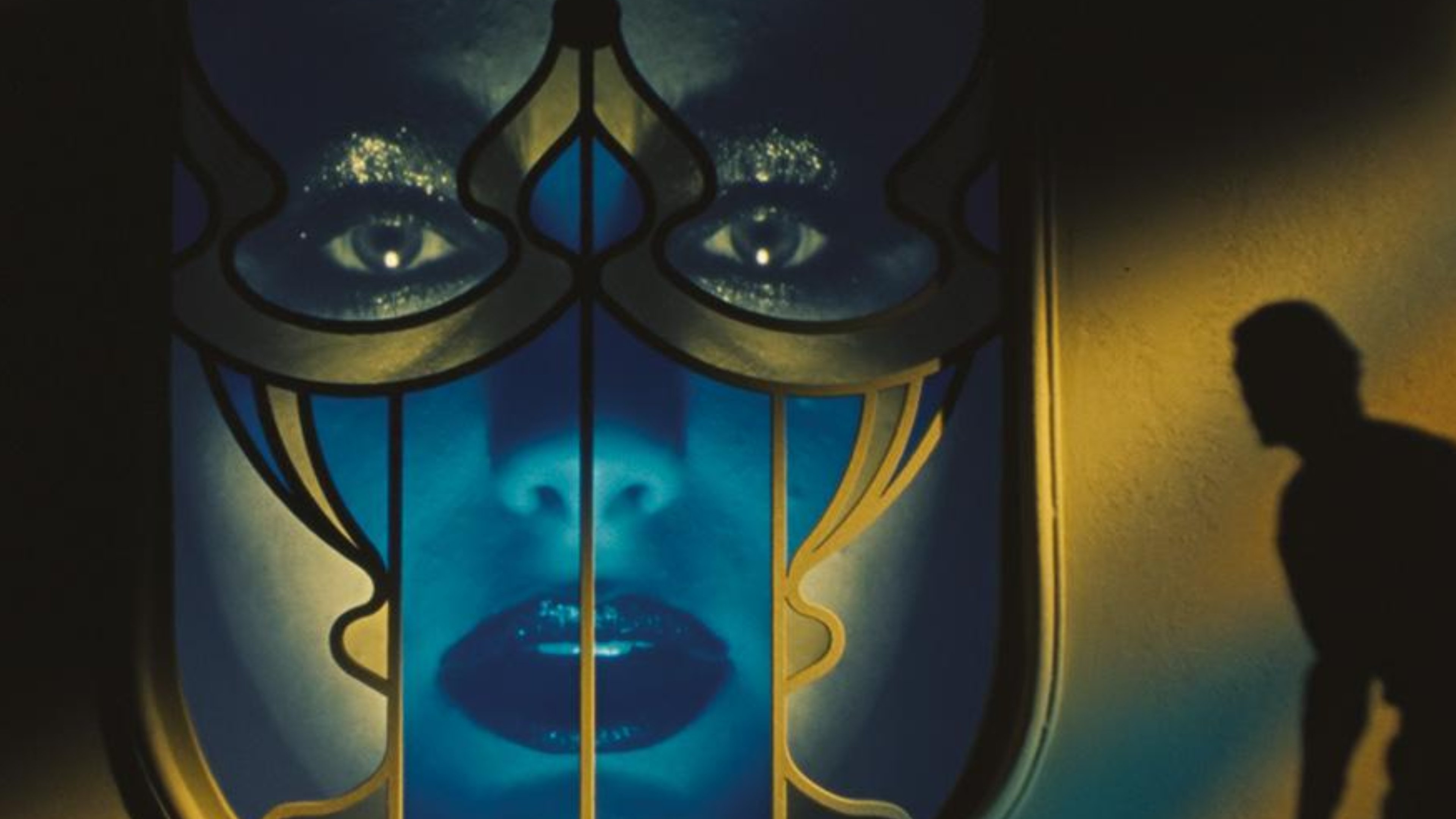
Since he was a child, Orpheus has imagined stories about an abandoned villa across the street from his house. A solitary and visionary pianist, during an evening at the Polypus — the club where he plays — he meets Eura’s gaze. An unconditional love blossoms between them, but she’s concealing a secret. Then she disappears. One evening, Orpheus sees her enter a small door on Via Saterna, in front of the villa. He follows her. Before the threshold, he encounters the Green Man, an enigmatic figure who seems to know the mysteries of that passageway. Once through the door, Orpheus enters a visionary afterlife...
Status
Released
Original Language
IT
With the publication of the Ophthalmographia in 1632, the Amsterdam physician Vopiscus Fortunatus Plempius sheds new light on the age-old question of how seeing works. His answer is an invitation to experiment: Enter with me into a darkened room and prepare the eye of a freshly slaughtered cow. He emphasizes that anyone may carry out this experiment, at home, "demanding little effort and expense." “And you, standing in the darkened room, behind the eye, shall see a painting that perfectly represents all objects from the outside world,” promises Plempius. In the short film In Waking Hours we see historian Katrien Vanagt - who studied the Latin writings of this Plempius - cloaked in the skin of a 21st-century disciple of Plempius. Her cousin, filmmaker Sarah Vanagt, is there and captures how this modern "Plempia" meticulously follows her teacher's instructions. Thus, in a dark kitchen in Brussels, they become witnesses at the birth of images upon the eye.
Orfeo Bambino

Paris, France. Commissaire Wens is put in charge of the investigation into the murder of one of six friends who, in the past, made a very profitable promise.