
User Score
2 votes
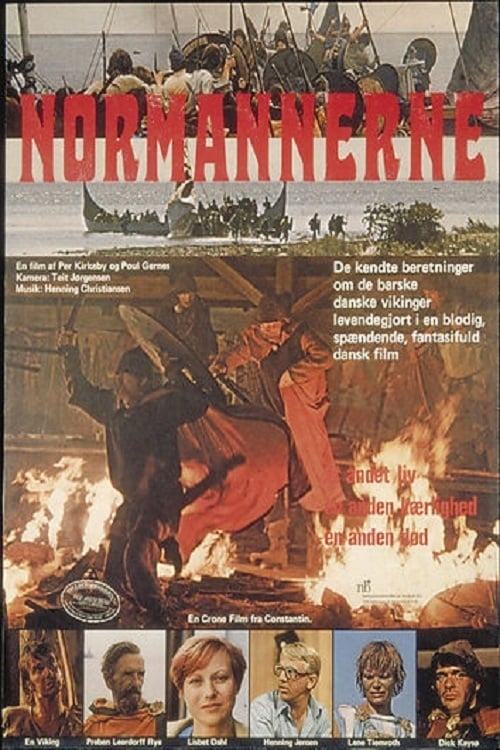
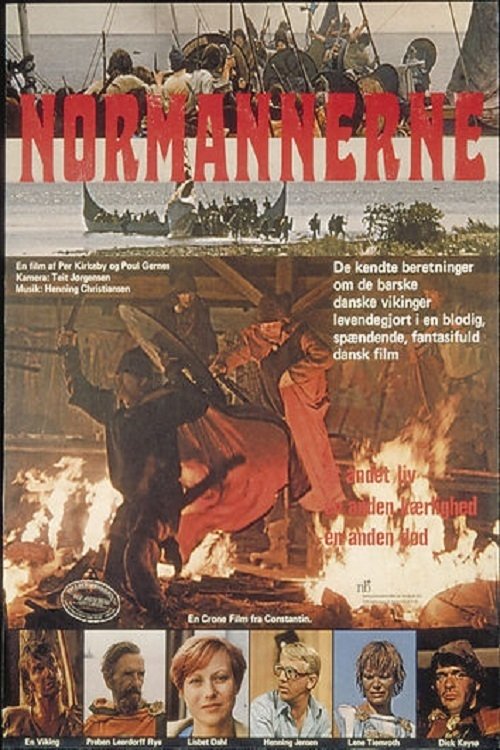
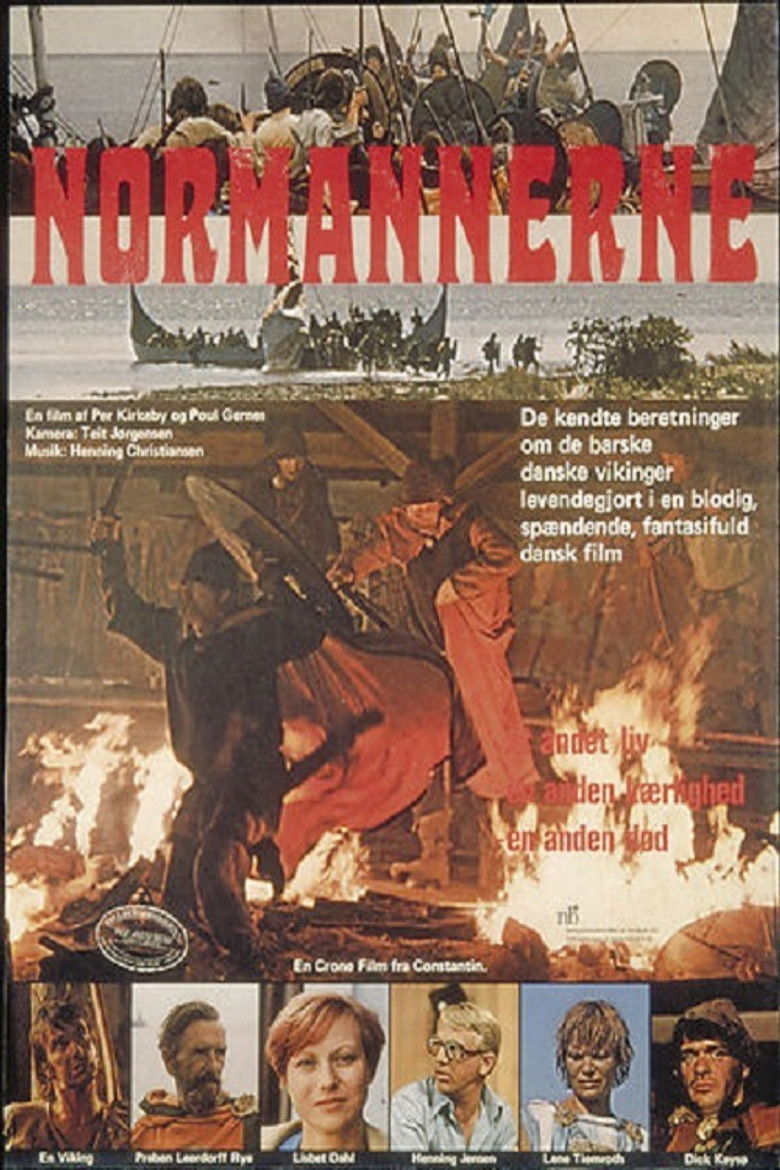
With "The Normans," painters Paul Gernes and Per Kirkeby wanted to make a film about the Viking Age, but not a traditional fiction film set in that period. Instead, the film has a contemporary setting, in which a guide shows various historical sites and tries to bring the past to life, even though she has only one interested listener. Within this framework, episodes from Danish mythology are brought to life: King Skjold, Rolf Krake, Regnar Lodbrog, the Battle of Svold, etc. The film mainly follows the account in Saxo's chronicle, but also dramatizes a story by the Arab author Ibn Fadlan. He described the cremation of a Viking chieftain in Russia around the year 900, where, among other things, a slave woman was sacrificed after ritual intercourse. The film is based on a number of historical and archaeological studies. The loose form is intended to emphasize how fragmentary our knowledge of the Viking Age actually is.
Status
Released
Original Language
DA

Trælkvinde, der ofres
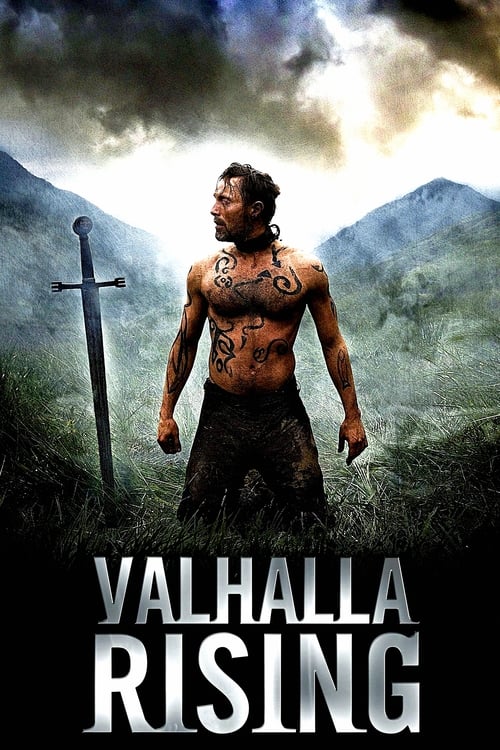
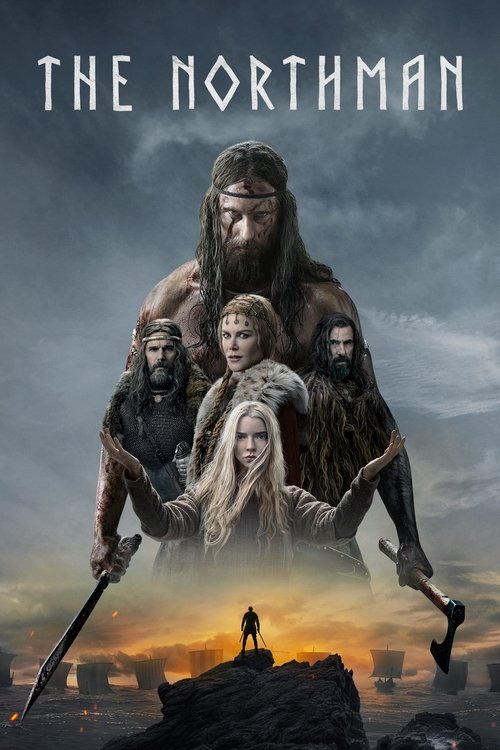
Scandinavia, 1,000 AD. For years, One Eye, a mute warrior of supernatural strength, has been held prisoner by the Norse chieftain Barde. Aided by Are, a boy slave, One Eye slays his captor and together he and Are escape, beginning a journey into the heart of darkness. On their flight, One Eye and Are board a Viking vessel, but the ship is soon engulfed by an endless fog that clears only as the crew sights an unknown land. As the new world reveals its secrets and the Vikings confront their terrible and bloody fate, One Eye discovers his true self.