
User Score
1 votes
“A rich overview of the development of Afro-Cuban music in the United States, featuring interviews with Mario Bauza and Dizzie Gillespie.”
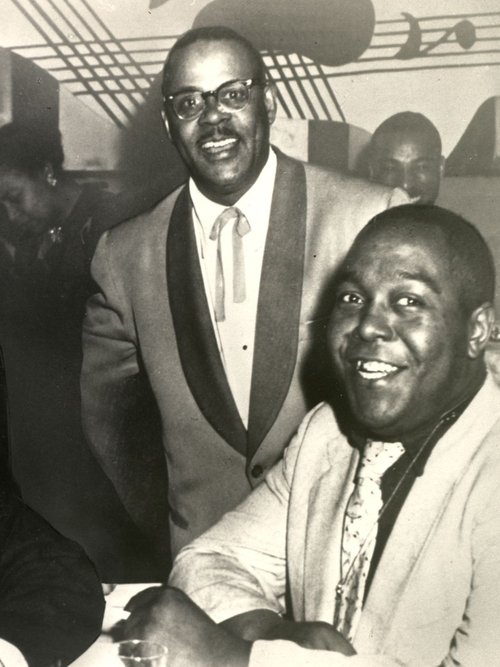
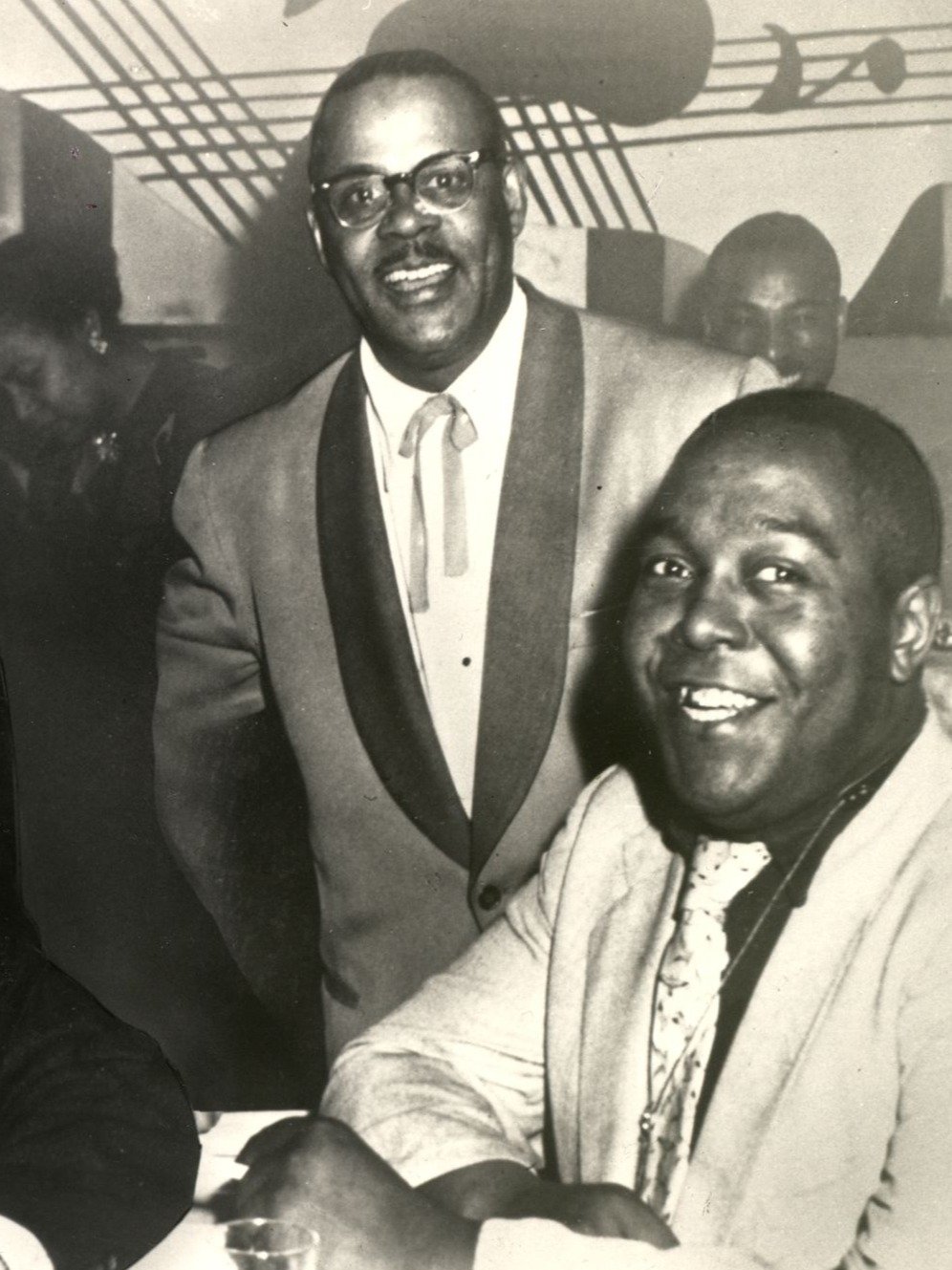
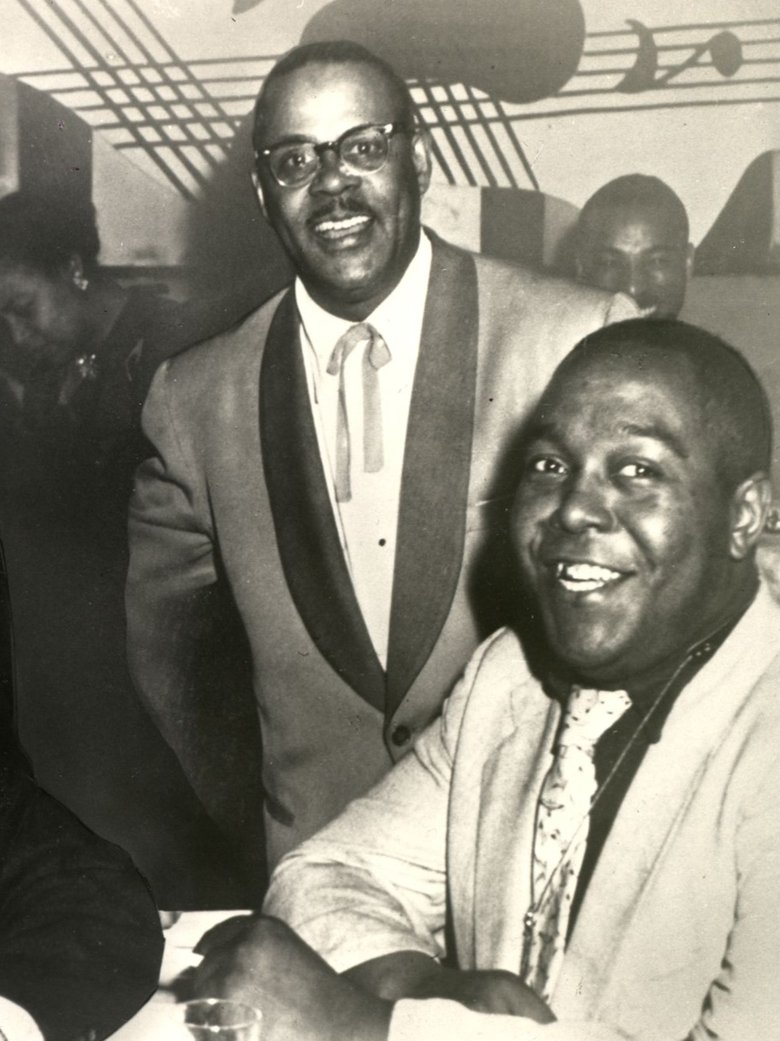
This film is an odyssey through the eyes, words and music of individuals who pioneered Afro-Cuban music in the United States. The video offers a rich overview of a wide number of musical styles from "Cubop" to Salsa, Big Band to jazz, and of musicians from Chano Ponzo to Tito Puente and Desi Arnaz to Johnny Colon. It examines the significant role of women performers and contains interviews with Mario Bauza and Dizzy Gillespie as they reveal the parallel course of jazz with the "latin sound".
Director
Status
Released
Original Language
EN
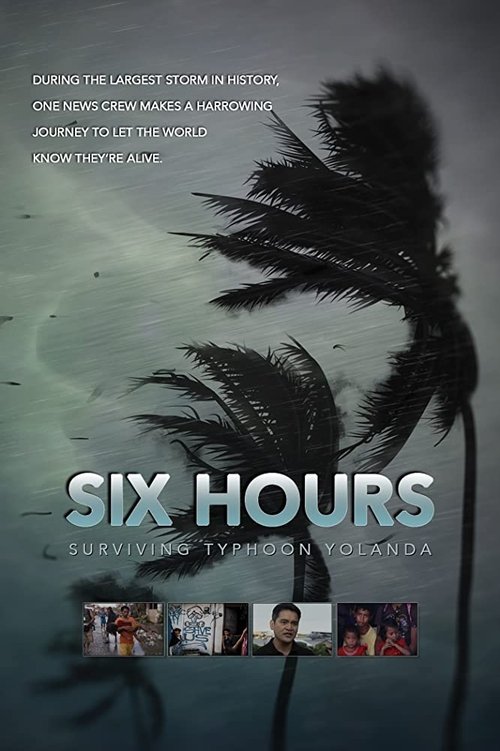
In the middle of a broadcast about Typhoon Yolanda's initial impact, reporter Jiggy Manicad was faced with the reality that he no longer had communication with his station. They were, for all intents and purposes, stranded in Tacloban. With little option, and his crew started the six hour walk to Alto, where the closest broadcast antenna was to be found. Letting the world know what was happening to was a priority, but they were driven by the need to let their families and friends know they were all still alive. Along the way, they encountered residents and victims of the massive typhoon, and with each step it became increasingly clear just how devastating this storm was. This was a storm that was going to change lives.