
User Score
5 votes
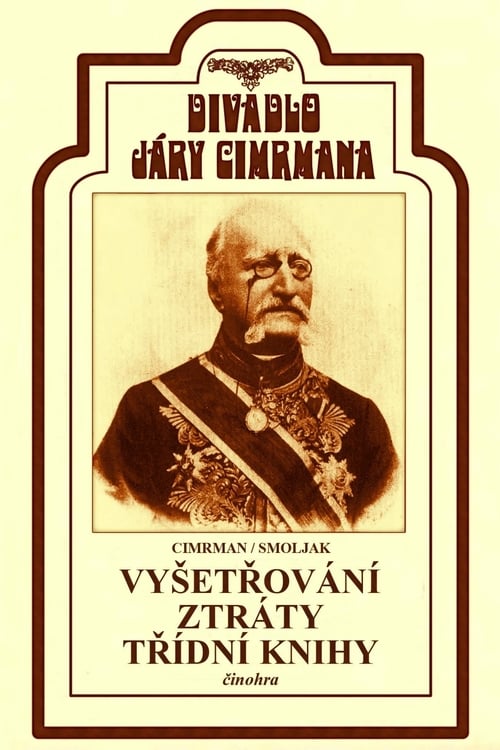
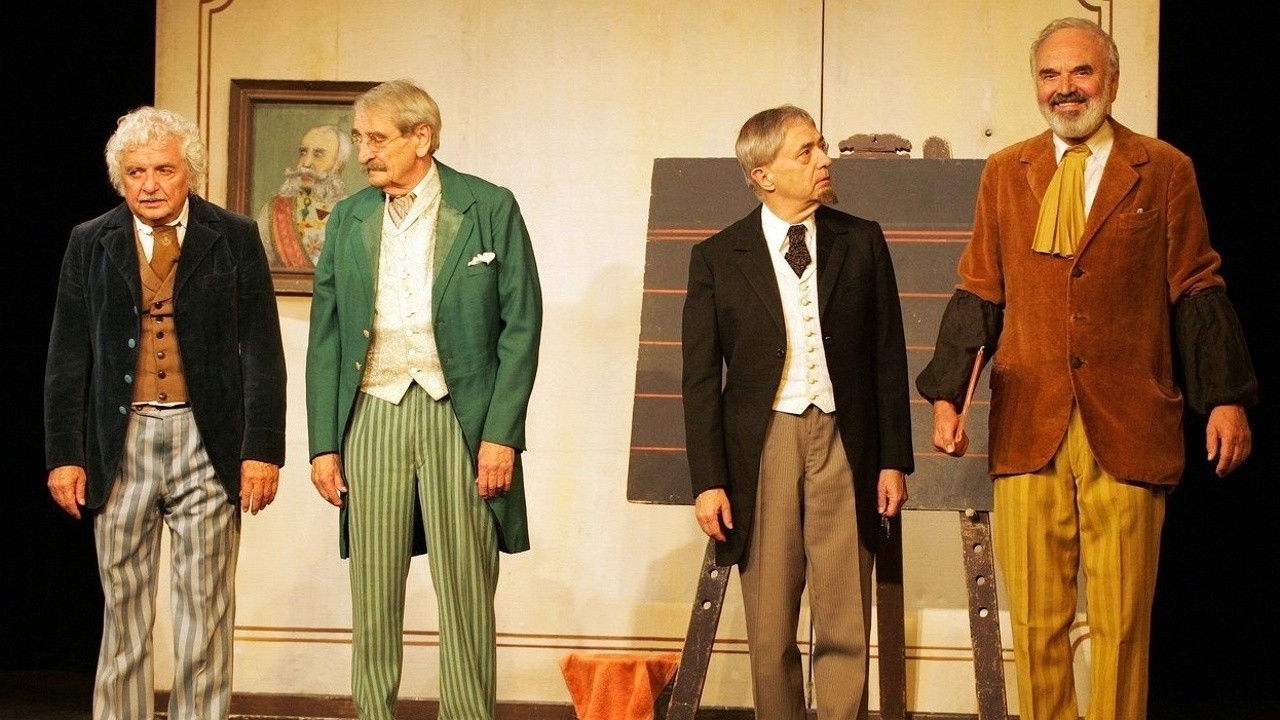
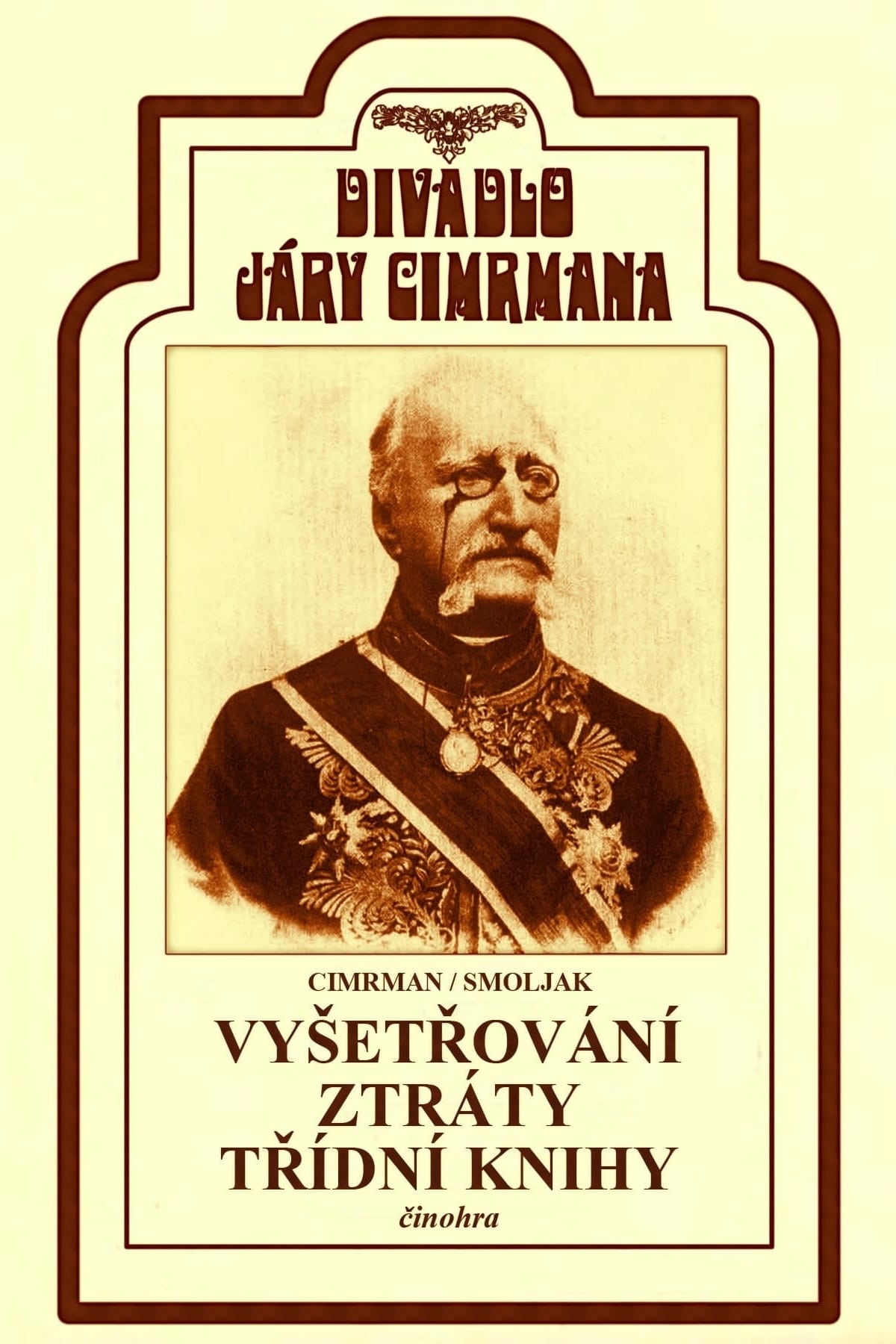
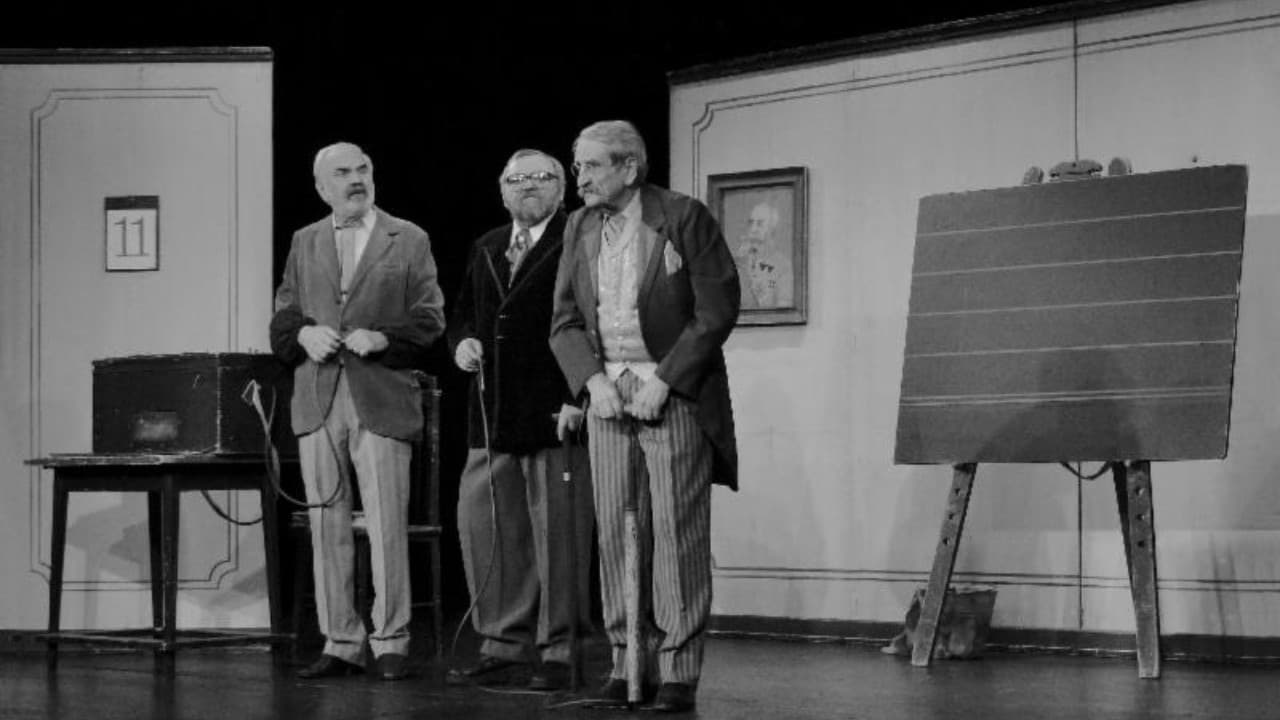
The impetus for writing the play was a real event - the investigation of the loss of the class register at a boys' school in Vienna's 4th district. The perpetrator was most likely a student named F. Kirchner. Cimrman was a police inspector in Vienna's 4th district at the time, and the school principal turned to him when all educational measures had failed. Six police officers followed the suspect for three days, but to no avail. Cimrman therefore decided to influence Kirchner in a different way: he wrote a play about the theft, which was staged by the police department's drama club as a compulsory school performance. The author expected that seeing the suffering of the teacher, principal, and inspector during their futile investigation would lead the culprit to regret his actions and confess. However, the stubborn boy, the son of a nun, was not moved.
Status
Released
Original Language
CS
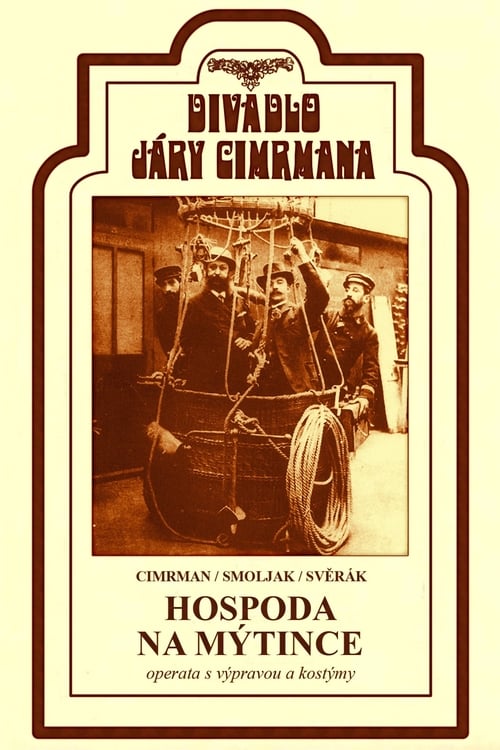
On the occasion of the opening of the famous Vienna "Riesenrad," a competition was held for the best operetta. A Czech, Jára Cimrman, also submitted his entry, a sweeping seven-hour work entitled "Proso." Due to what was perhaps his only negative trait, a slight stinginess, he did not send the score by registered mail, which allowed Franz Lehár, Johann Strauss, Oskar Nedbal, and other members of the jury to literally tear apart the brilliant operetta fresco. After many decades, a team of Czech Cimrmanologists has proven that the author of the world-famous melodies from Die Fledermaus, Polská krev, and many other operettas is the forgotten Pojizeřan Cimrman.