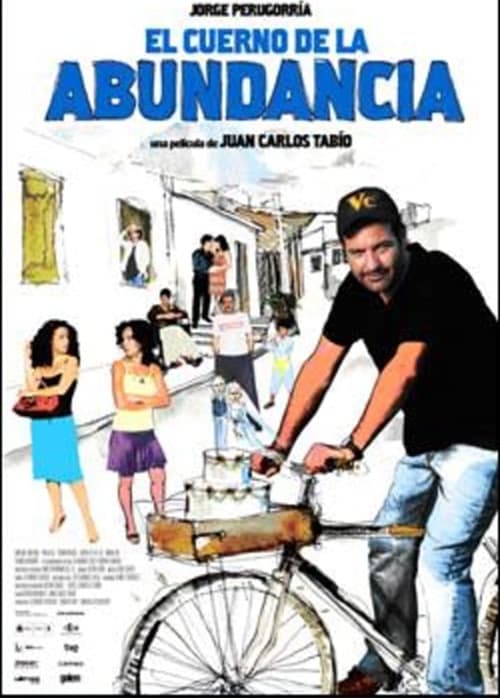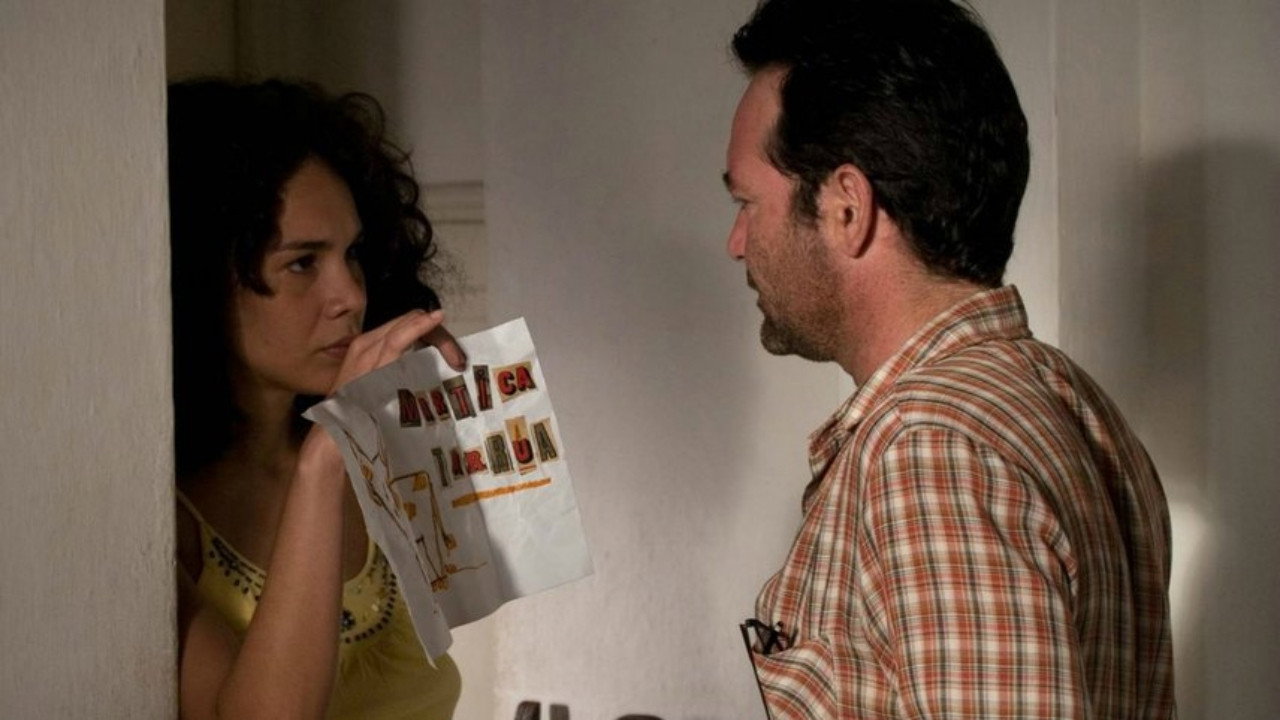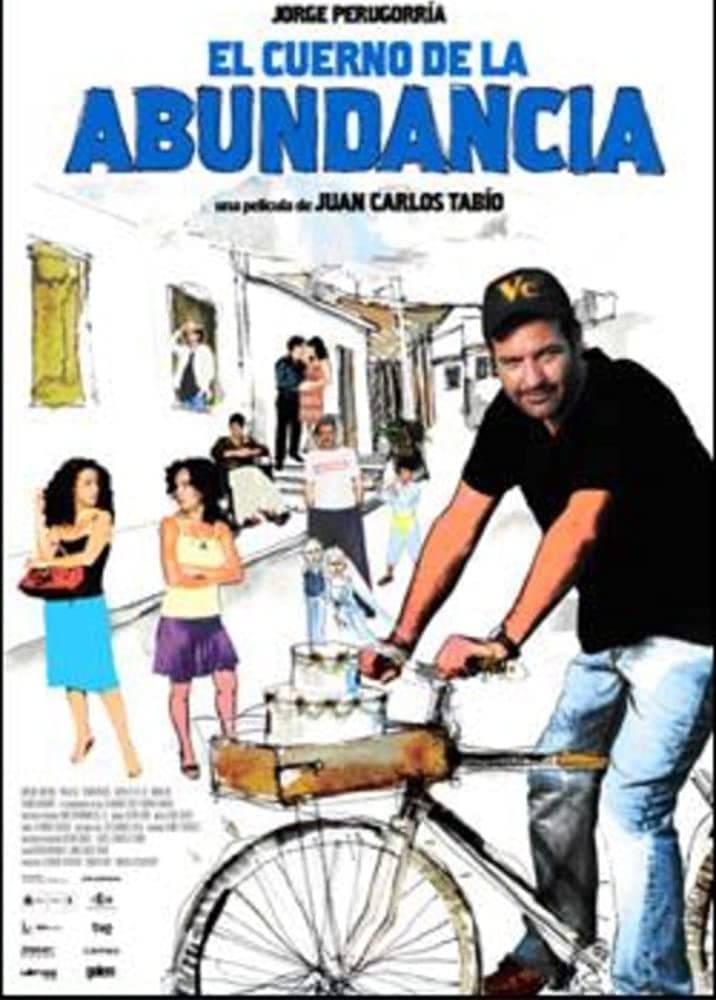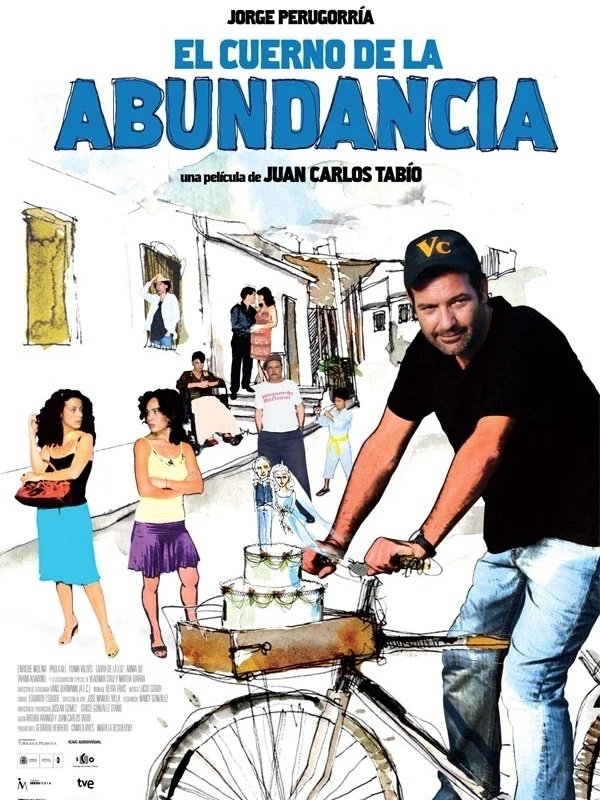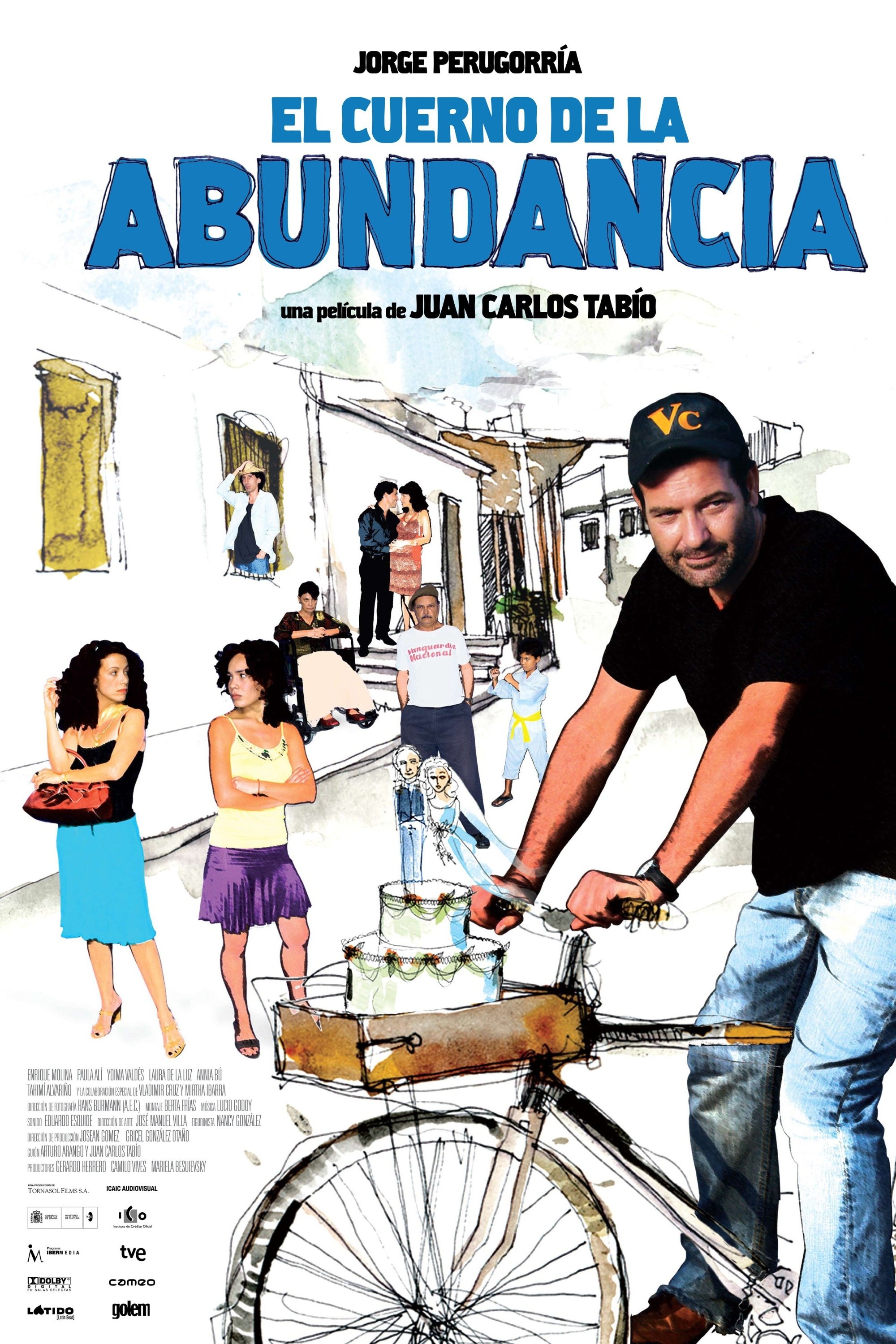
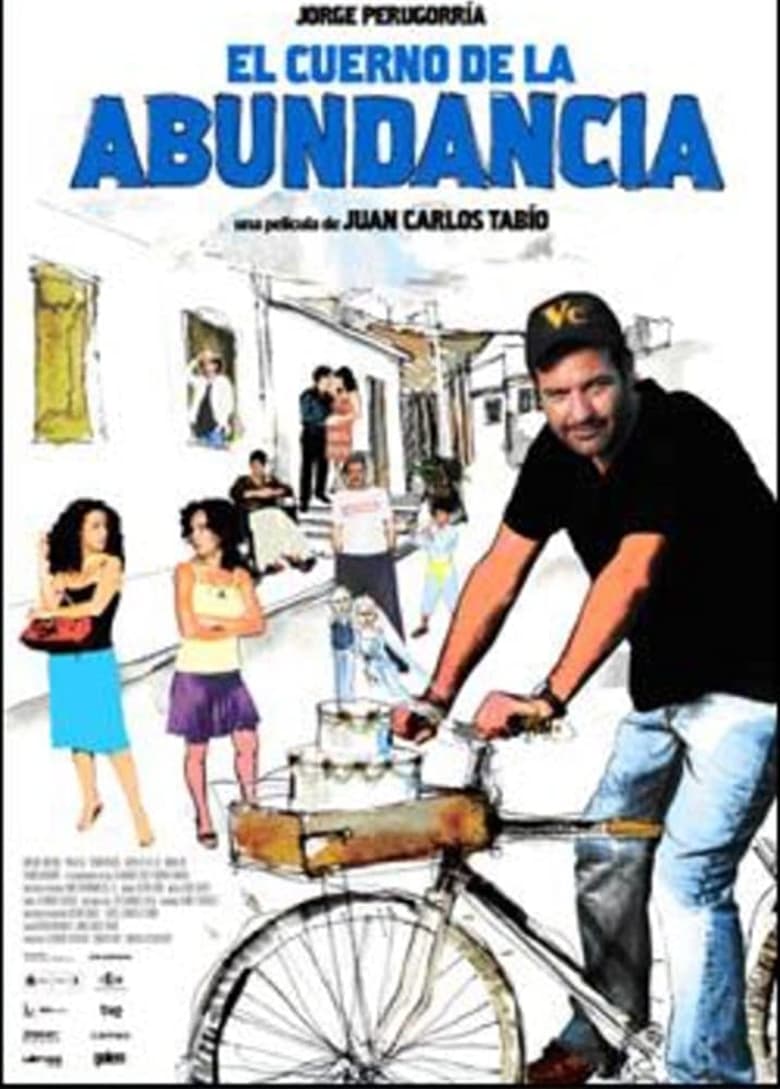
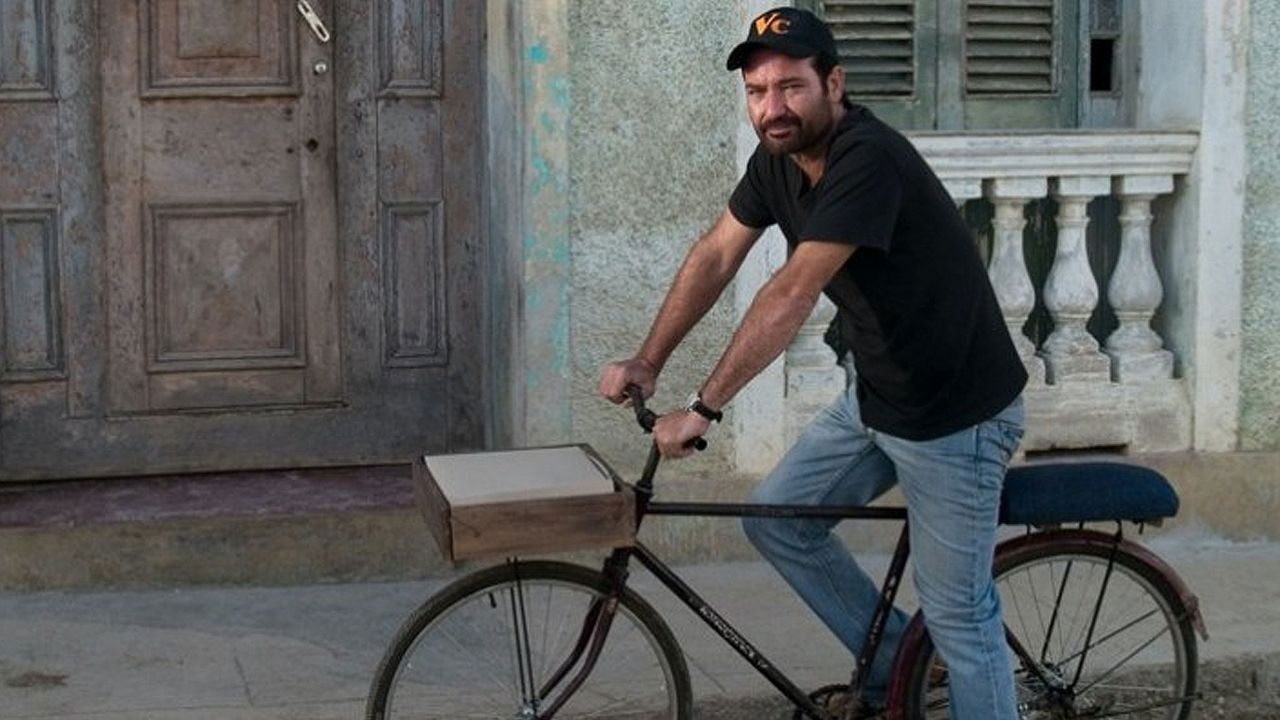

An unclaimed fortune, grown for centuries in a British bank account, becomes a potential windfall for Bernadito Castiñeiras and the residents of the tiny village of Yaragüey, Cuba. To receive his massive inheritance check, Bernadito must prove his lineage to the Castiñeiras nuns who first populated the region. In an isolated and impoverished town where many residents share the same surname, a feud breaks out between the "Castiñeiras" and "Castiñeyras" families.
Status
Released
Original Language
ES

The first gay-themed film produced in Cuba by the Institute of Cinema since Strawberry & Chocolate in 1993. The theme, however, is the same as in Guttiérerez and Tabìo's film: homophobia, machismo and fear. The fatal attraction between Alfredo, a doctor in the merchant navy, and handsome Carlos starts in a rundown Havana bar and ends at the sailor's house. But Alfredo's flirting and seducing of Carlos immediately turns into something complicated, ambiguous, dangerous. In a claustrophobic, tense atmosphere, their bodies are powerfully attracted, and the words, though violent, intensify the level of sensuality. Does each man kill the thing he loves? Evoking dreamlike atmospheres and characters, 80-year-old veteran director Enrique Pineda Barnet openly references Fassbinder's Querelle and Jean Genet. Quite controversial in its approach, the films demonstrates the milder attitude of Raul Castro's regime towards Cuba's LGBT Community.
Zobeida

Auro suffers from a progeria like syndrome. Mentally he is 13 but physically he looks 5 times older. In spite of his condition, Auro is a very happy boy. He lives with his mother Vidya, who is a gynaecologist. Amol is young, progressive politician. He is a man with a mission. Auro is Amol's son. Paa is a 'rare' story about a father-son, son-father relationship.