User Score
1 votes
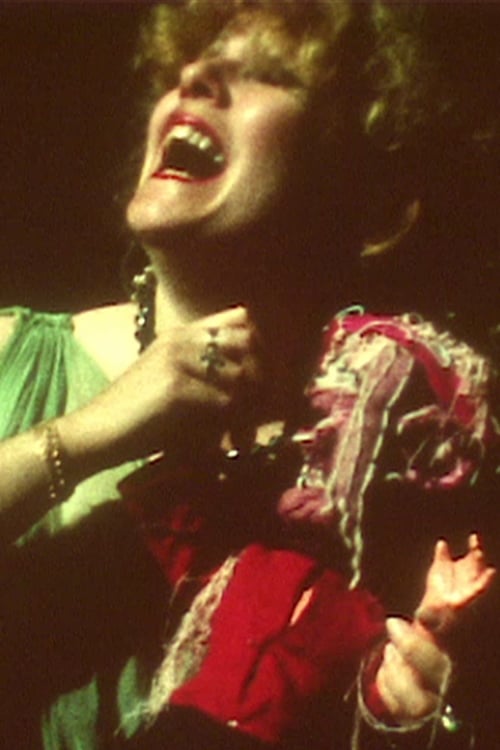
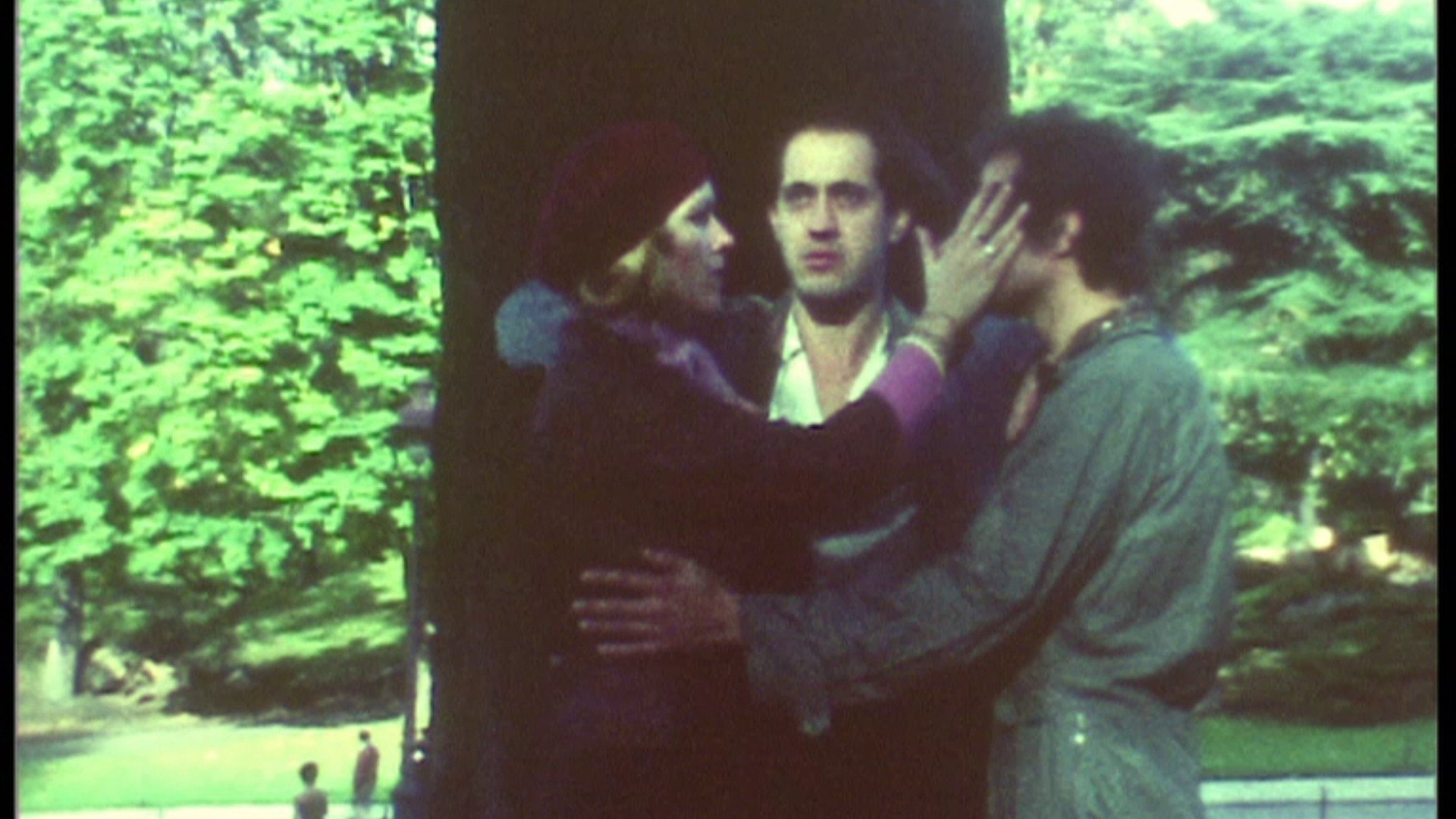
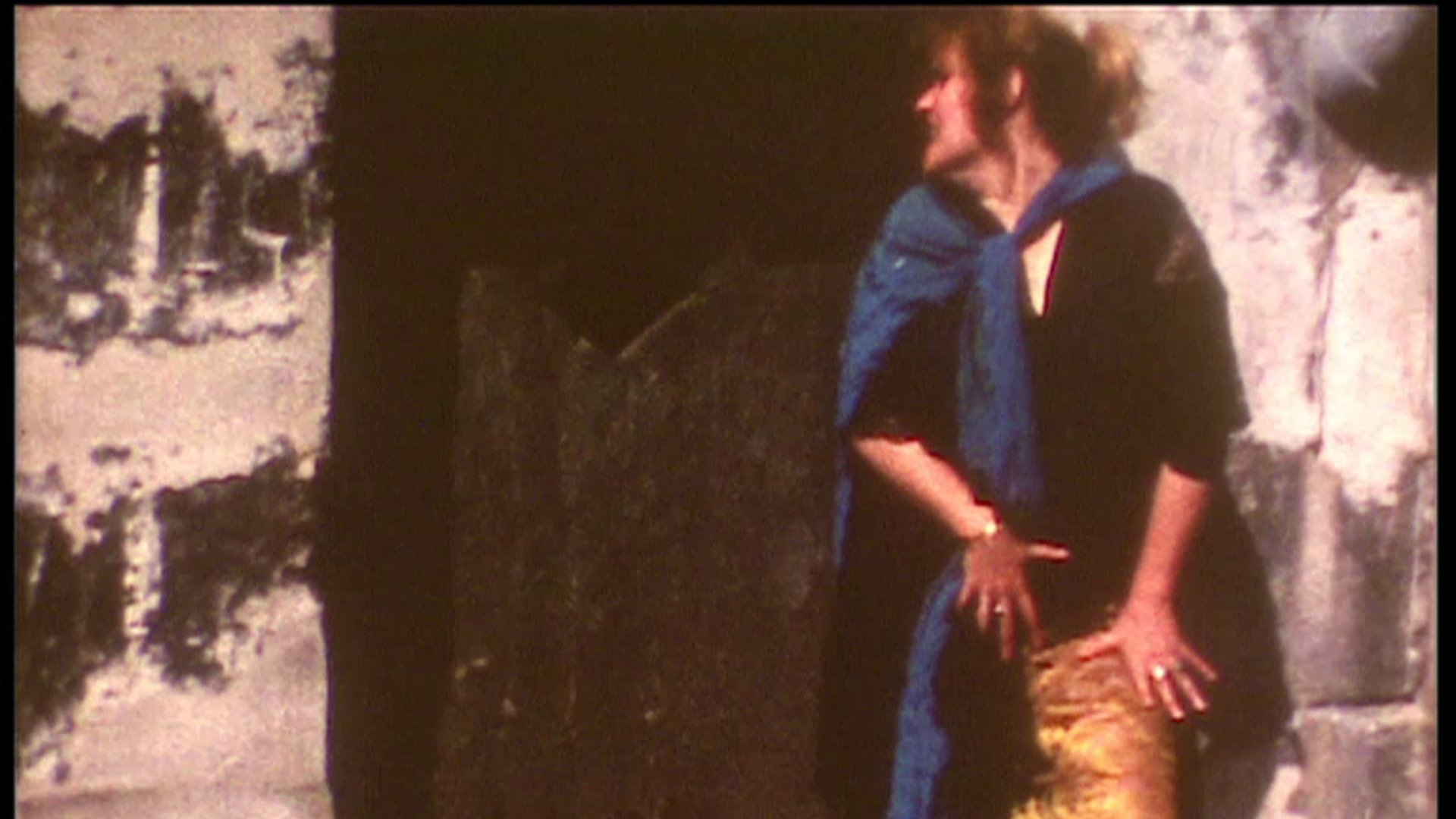
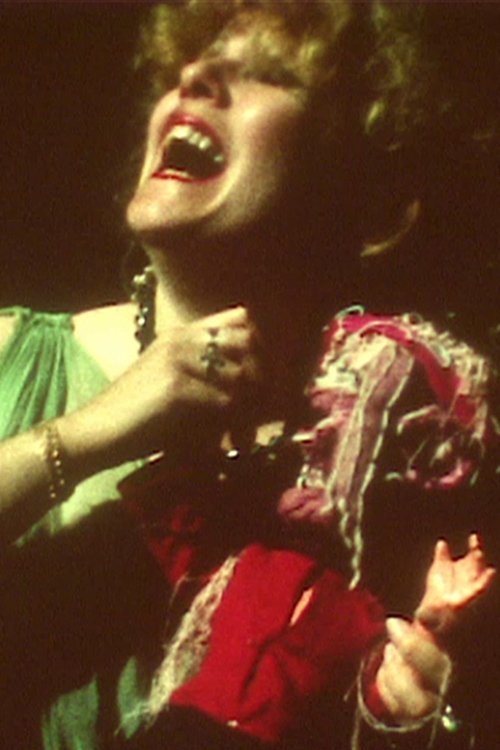
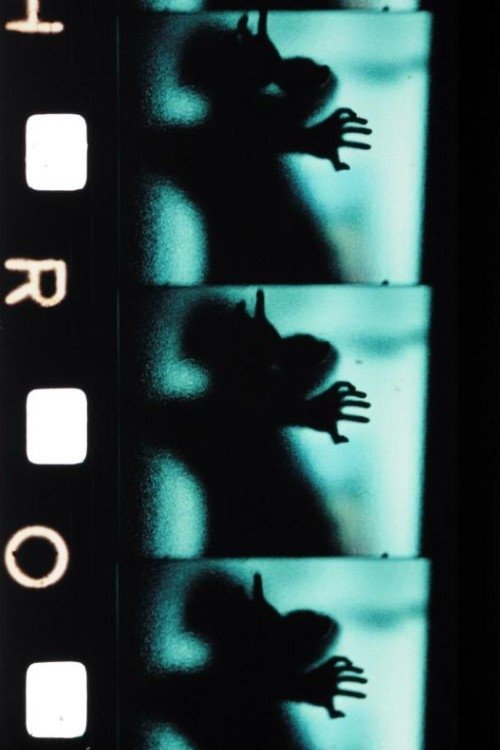
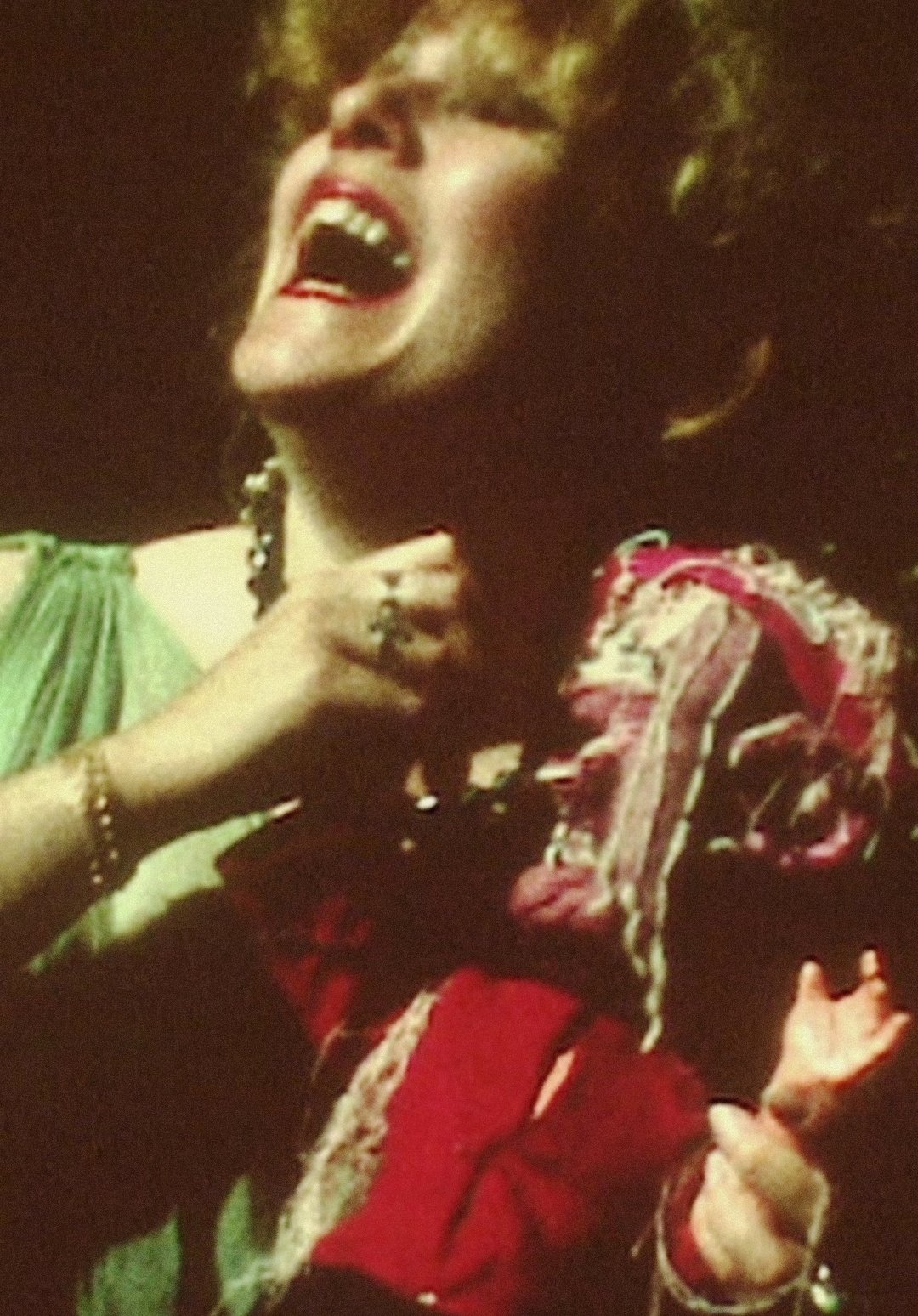
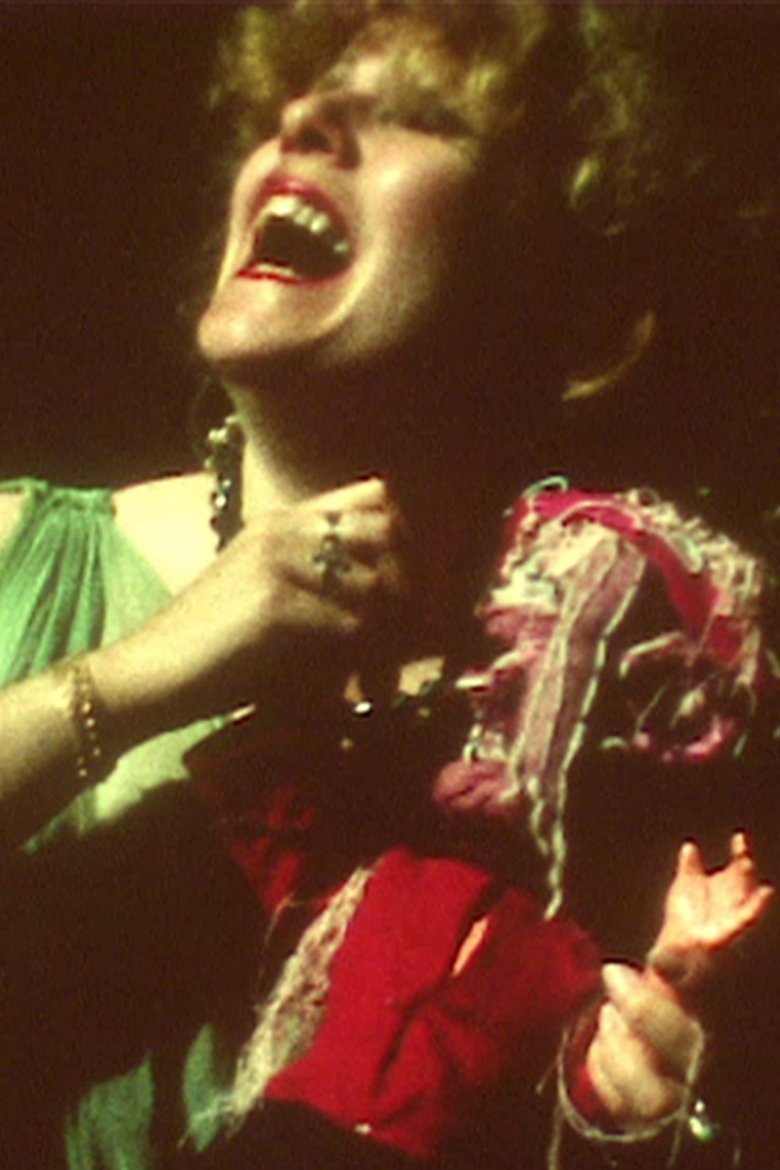
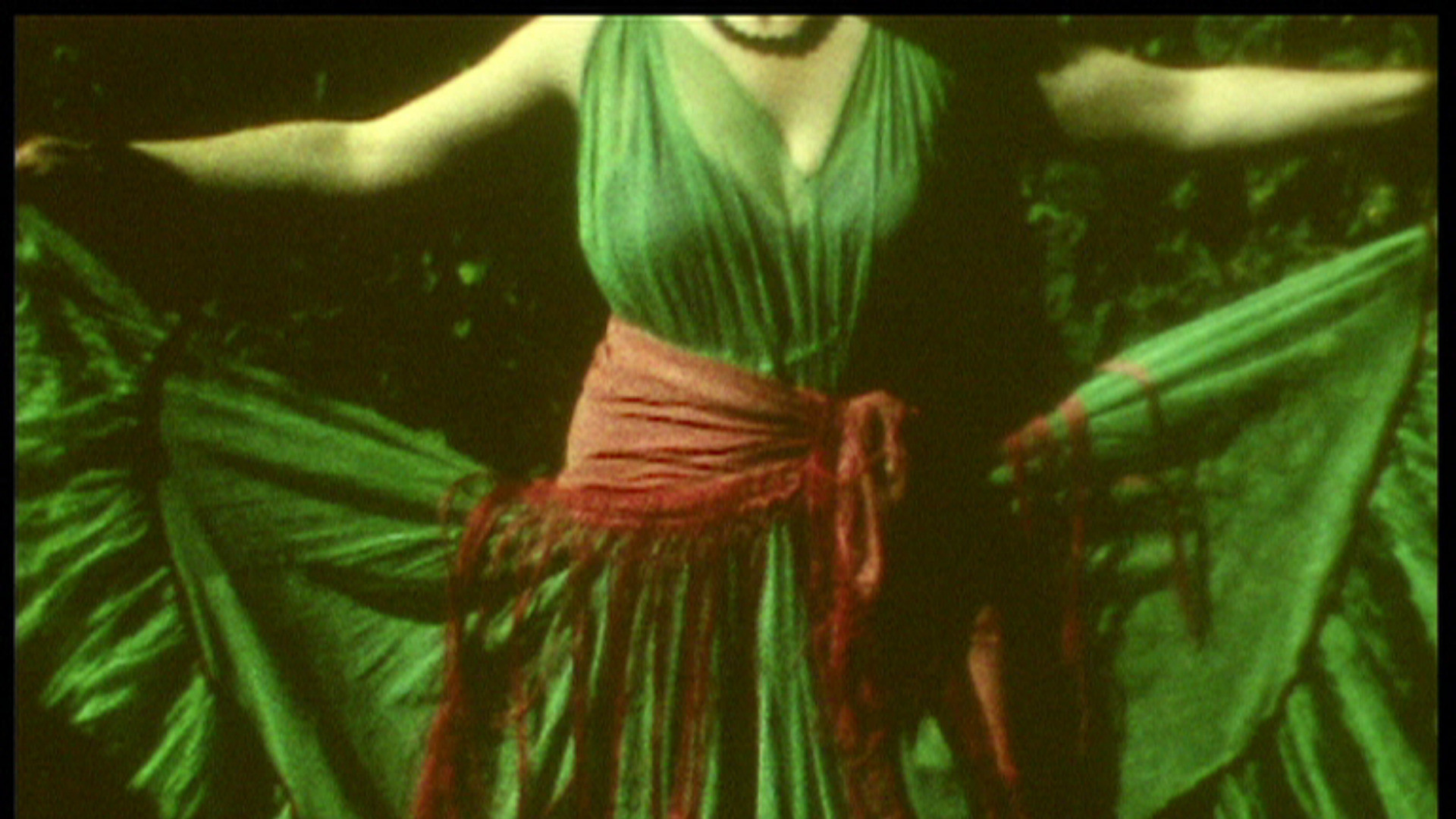
With Esmeralda, Hernandez shifts to the romantic mythology, but this descriptive aspect is secondary in the filmmaker's work, whose purpose is the constitution, by interposed myths, of a baroque cinematographic language. From this point of view, he joins the approaches of other contemporary filmmakers like Bene or Schroeter. In Esmeralda, he introduces masks from his creation to work on the physical and not only the filmic material. But Hernandez adds to his series of aesthetic variations of "stock-shots" of war plans, desolations, genocides, which brutally fall within the visual framework of his film. The filmmaker thus points out the cracks that overflow the myth in its darkest areas: the historical and social reality that obsesses us, that terrorizes us every moment.
Director
Status
Released
Original Language
FR
A lone drifter stumbles upon a unique pair of sunglasses that reveal aliens are systematically gaining control of the Earth by masquerading as humans and lulling the public into submission.