
User Score
7 votes
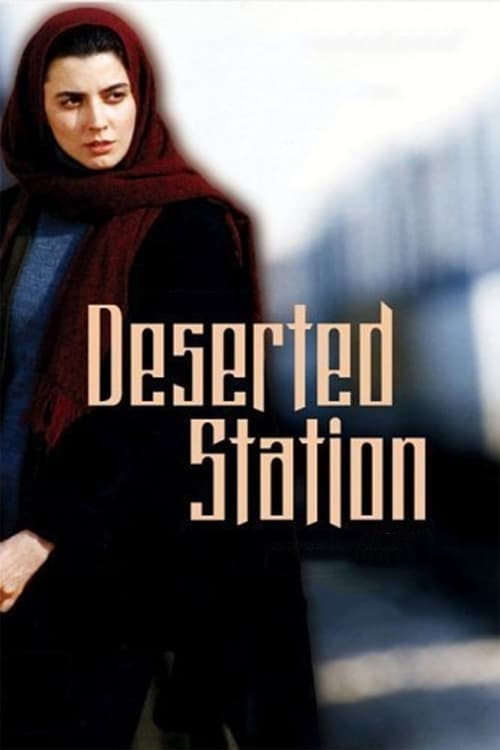
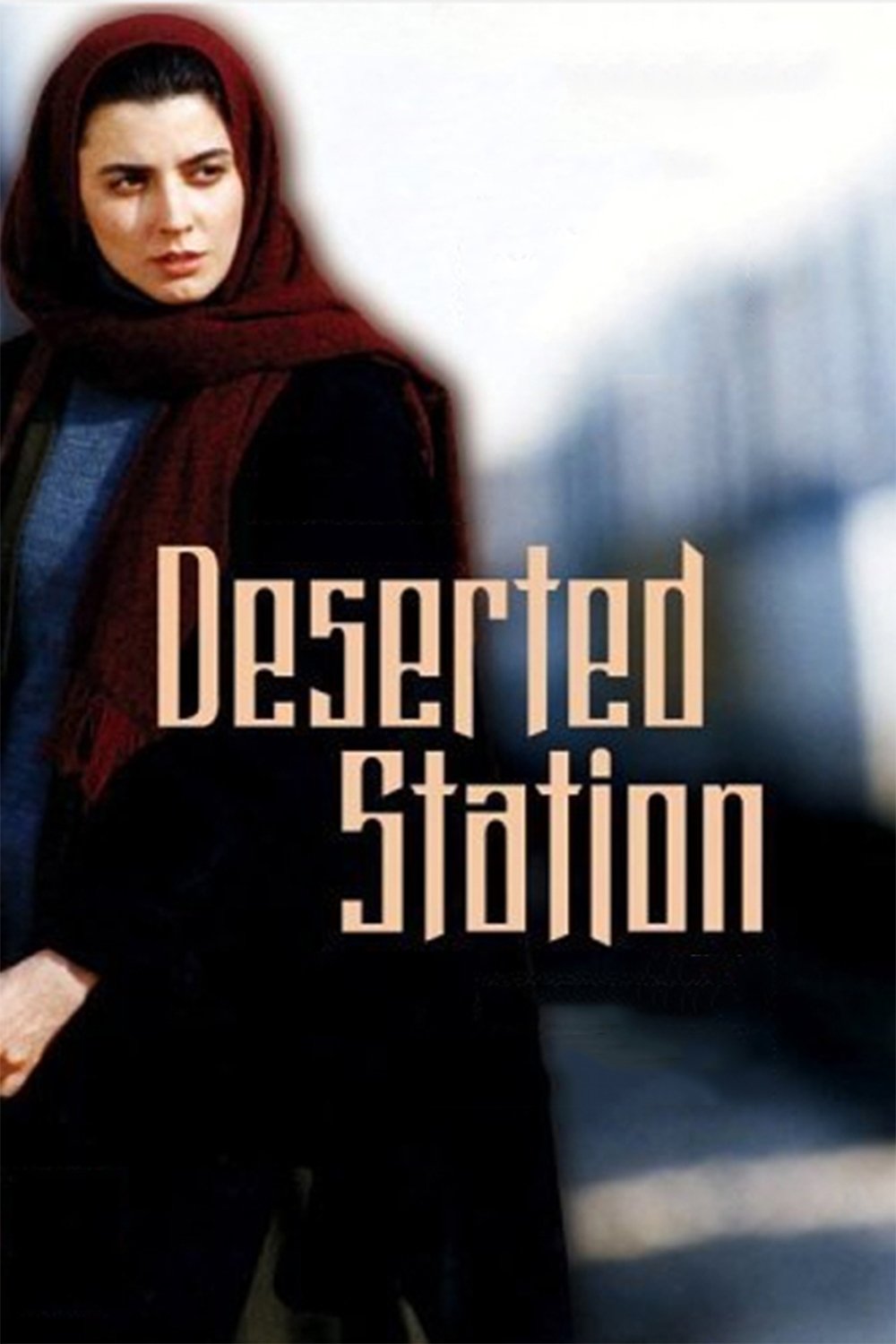
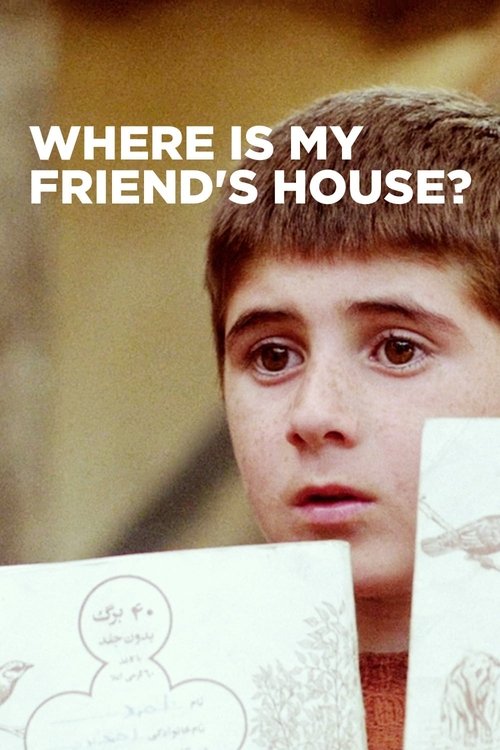
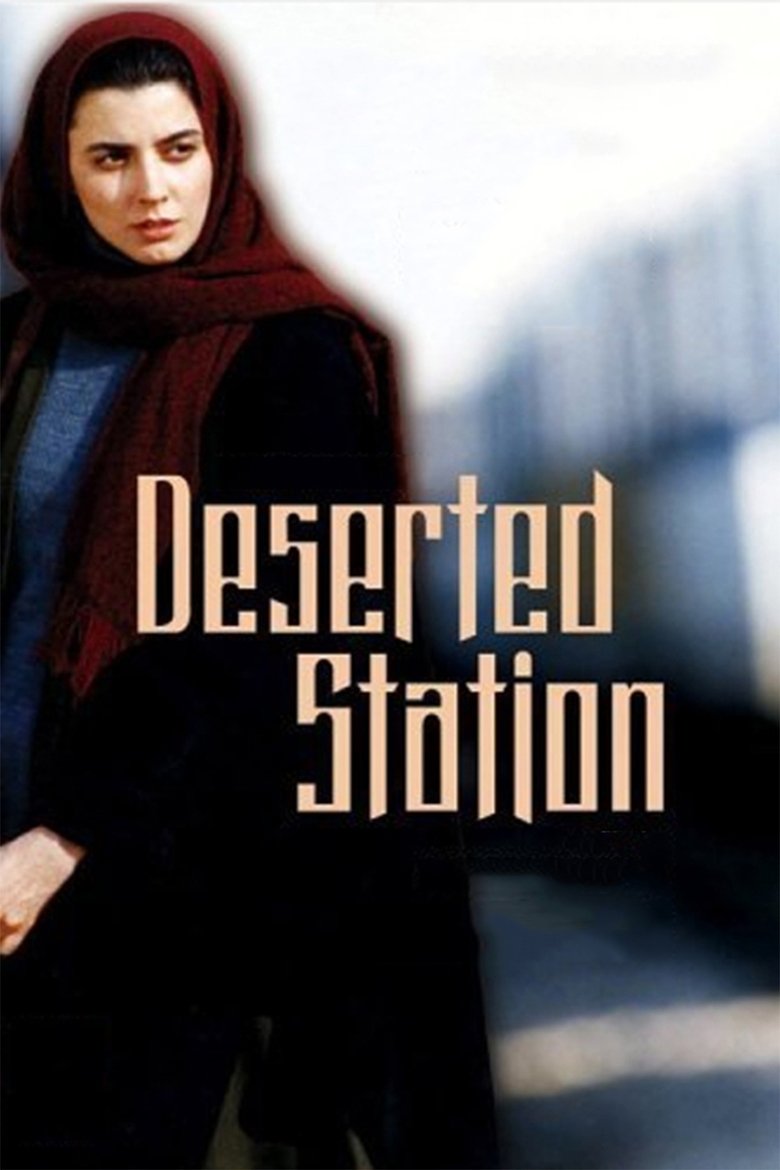
On a pilgrimage to Mashad from Tehran, a couple's transportation breaks down, far from any major town. The husband, a photographer, seeks help at a nearby village and encounters a teacher who offers to help. Whilst the husband and teacher go off to find a spare part, the wife, who used to be a teacher, takes over the teaching lessons in the village. It is clear that the children live there, in this strange deserted place, without any men, save the teacher and an old signal guard. As the day draws on, the children help to bring a new hope and life into the wife's heart.
Status
Released
Original Language
FA
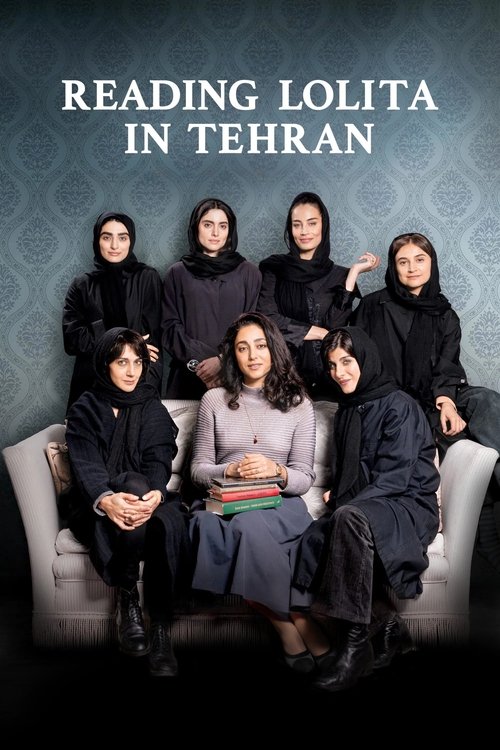
As Islamic morality squads stage arbitrary raids in Tehran and as fundamentalists seize hold of the universities, Azar Nafisi, an inspired teacher, secretly gathers six of her most committed female students to read forbidden western classics. Unaccustomed to being asked to speak their minds, they soon removed their veils, their stories intertwining with the novels they read: just like the heroines of Nabokov, F. Scott Fitzgerald, Henry James or Jane Austen, the women in Nafisi’s living room dare to dream, hope and love as we experience the complexity of the lives of individuals facing political, moral and personal siege.