Loading...

Loading...
Explore thousands of TV shows from around the world. Find popular series, shows airing today, and critically acclaimed content.
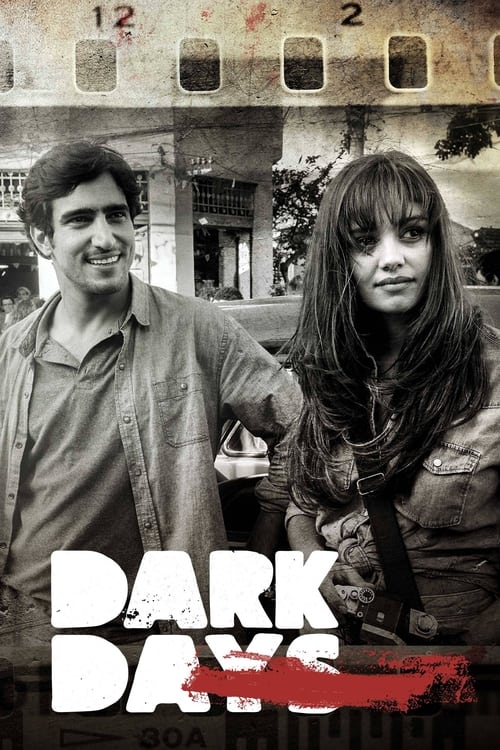
In 1970, with the conflicts in Brazil due to political repression from the military dictatorship as a background, the inquisitive student Alice and the idealistic doctor Renato fall deeply in love. Their worlds are joined by passion, but they are kept apart for many years by family feuds and a country facing a turmoil that affects lives and dreams.
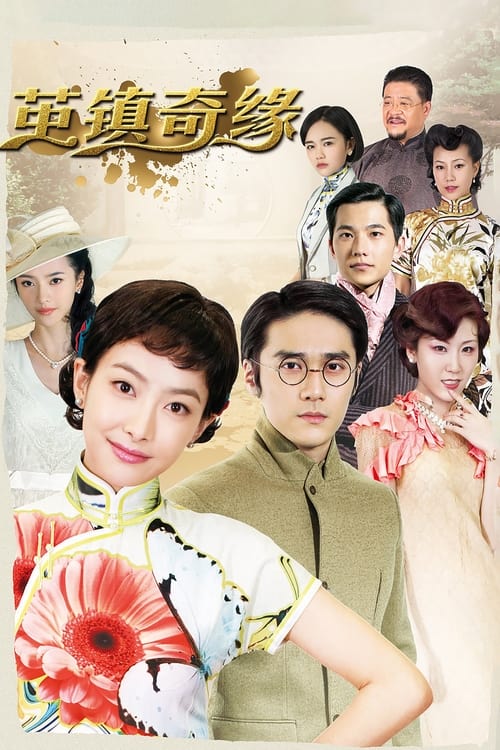
Du Chunxiao returns from overseas with the Huang family’s eldest daughter and is unexpectedly betrothed to the eldest son. However, strange events unfold, revealing dark family secrets. As she investigates, she uncovers Master Huang’s past crimes, putting herself in danger. With the help of the righteous second son, Huang Muyun, they work together to expose the truth.

A former prosecutor landlord and a former Miss Korea lawyer begin their crazy romance in a law office cafe.
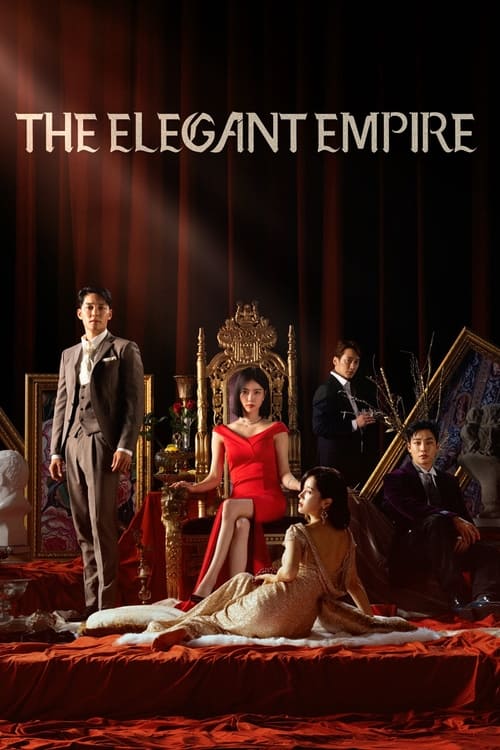
A man and a woman take revenge desperately yet elegantly after being trampled on by enormous power.
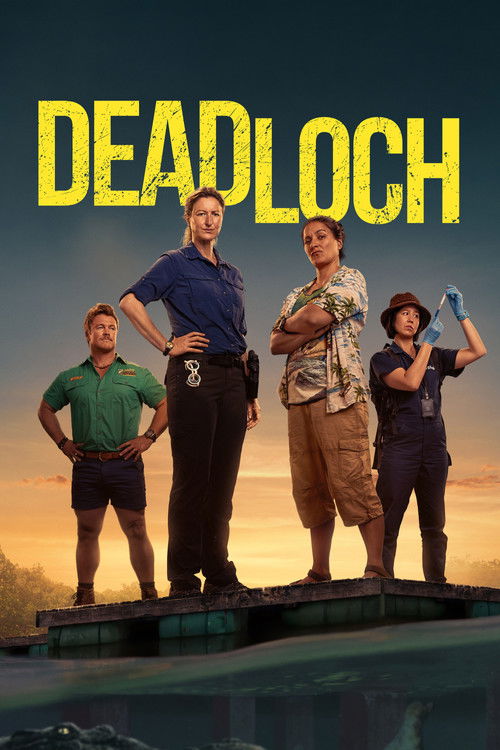
Two vastly different female detectives are thrown together to solve the murder of a local man in the sleepy seaside hamlet of Deadloch.

Broken Arrow is a Western series which ran on ABC-TV in prime time from 1956 through 1958 on Tuesdays at 9 p.m. Eastern time. Repeat episodes were shown by ABC on Sunday afternoons during the 1959–60 season. Selected repeats were then shown once again in prime time during the summer of 1960.
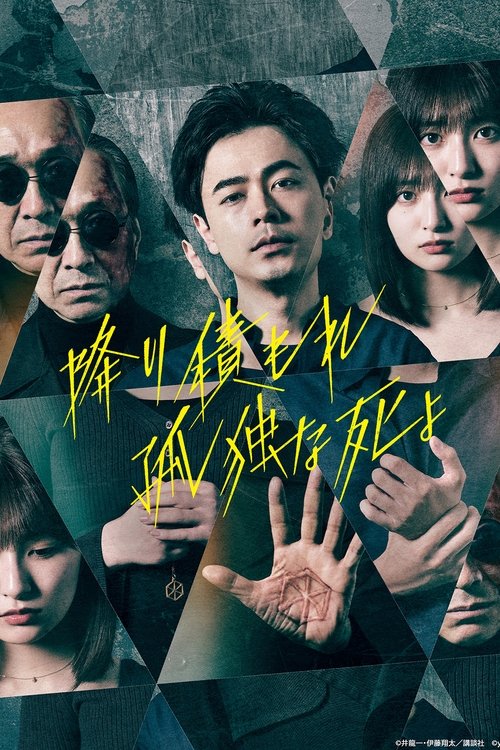
The suspense story begins when Jin Saeki, a policeman in Yamanashi Prefecture, arrives at a prominent estate residence in response to a tip, and finds the skeletal remains of 13 children, as well as a mysterious marking. Jūzō Haikawa, the long-missing owner of the estate, immediately becomes the prime suspect. Saeki collaborates with a woman named Kanon Hasumi, who has a connection to Haikawa, and together they search for the truth behind the case. In a parallel story set in Tokyo seven years after the case, a girl with a connection to the mark left on the Haikawa estate runs away from home.
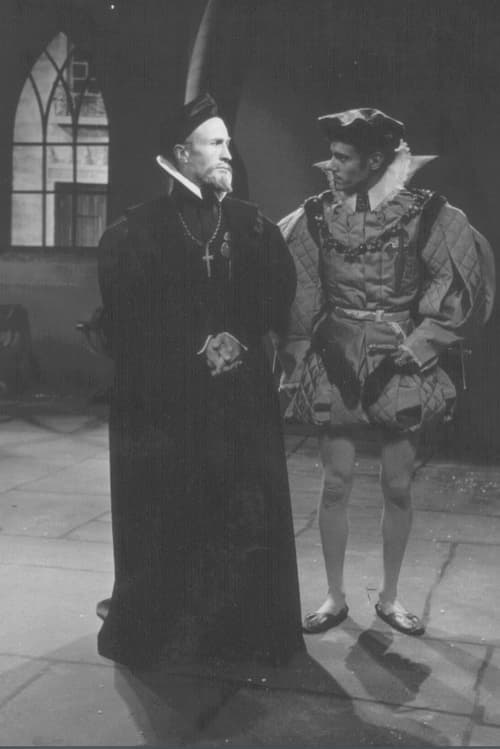
Folio, a precursor to CBC's renowned fine-arts series Festival, aired for four years starting in 1956. The series showcased original dramas, music compositions, and ballets, many originating from diverse regions across Canada. Notable episodes featured Barry Morse in a new staging of MacBeth, along with performances by Canadian talents like Robert Goulet and Sharon Acker. One of the highlights included a musical adaptation of the beloved Canadian classic, Anne of Green Gables. Airing without sponsorship, Folio thrived until its conclusion in the fall of 1960. Producers: Robert Allen, Harvey Hart, David Greene, Mario Prizek and Ronald Weyman.
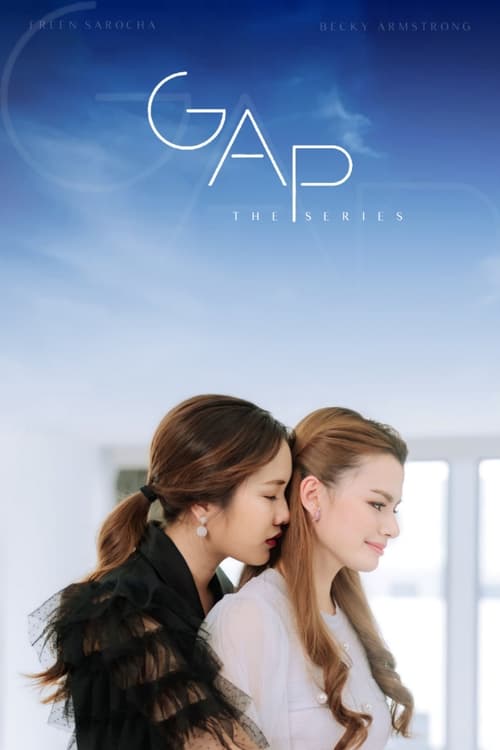
Mon, a newly graduated student from university, starts working as an intern in a big company because she admires Sam, the super rich chairwoman since young age. However, when Mon met Sam again, her image of her completely crashed, since she was not like the media shows her.
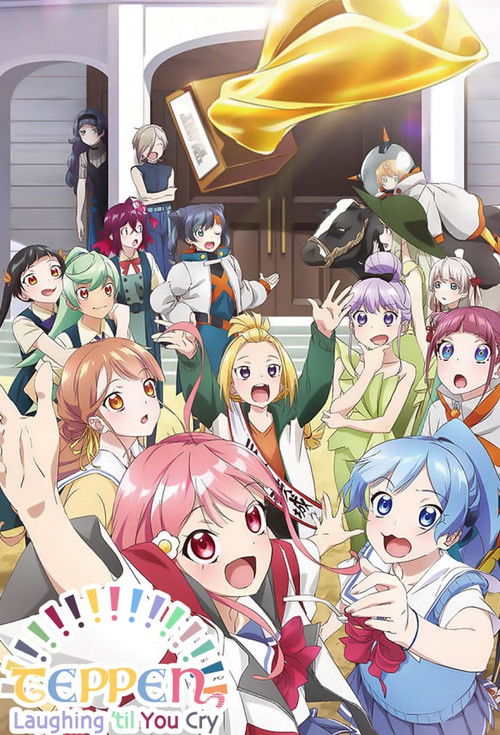
Yayoi Sakamoto, a diehard fan of comedians and comedy acts, enrolls in the private Kazuki High School in Nanba (Osaka's entertainment district famous as the starting point for many comedians). She reunites with Yomogi Takahashi, a childhood friend who once formed the comedy duo "Konamonzu" with her when they were little. Before long, they find themselves putting together a routine at a park like they did before, in order to enter a local shopping area's contest. At that moment, a mysterious girl calls out to them.
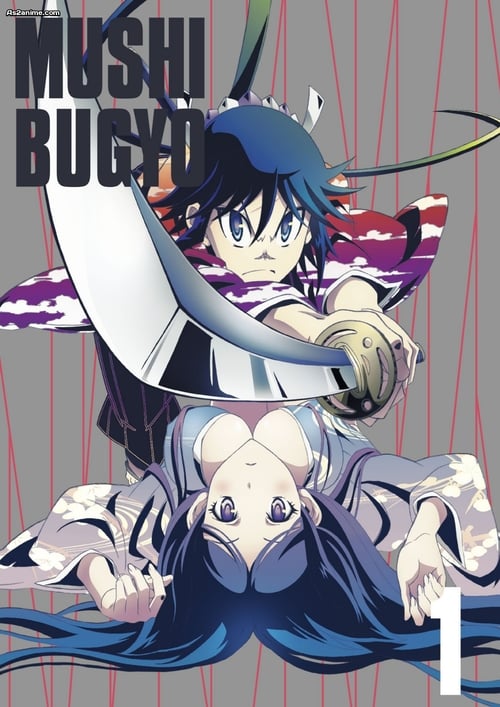
The action story is set in Edo-era Tokyo in the early 1700s. The eighth shogun Tokugawa Yoshimune ordered boxes to be installed so commoners can submit their thoughts. After hearing their voices, the shogun creates a new magistrate unit — Mushibugyou — to protect the people in the heart of the city. Each member is a specialist with unique fighting skills.
“The Bell Telephone Hour” was a musical variety show that aired on “NBC” TV from 12 January 1959 to 14 June 1968 that showcased the best in Broadway, Classical, Concert, Jazz and Popular music each week. The series had its’ own house band appropriately named the “Bell Telephone Orchestra”. The show also had its’ own theme song being the “Bell Waltz” composed by “Donald Voorhees” who was also the show's Orchestra conductor. Some of the greatest violinists of the 1960’s performed on this show that aired in the old “Black & White” format. Some of these great violinists included “Erica Mornin”, “Isaac Stern", "Michael Rabin", "Ruggiero Ricci", "Yehudi Menuhin" and "Zino Francesacatti". From time to time some of the great singers and bandleaders of the 1960’s would perform on the show as well. Some of these were “Bing Crosby”, “Gordon MacRae”, “John Gary”, “Leslie Uggams”, “Mary Martin”, “Nelson Eddy”, “Patti Page” and “Roy Rogers”. The TV show followed on the heels of its’ predecessor with the same name on “NBC” radio that aired from 29 April 1940 to 1958 on Monday nights at 8 PM. The name of the show was derived from its’ Major sponsor “Bell Telephone Laboratories”. The TV version began airing on Friday nights at 8:30 PM once a month. It later was given it’s same time slot now airing every other week alternating with another show on the other weeks such as News shows and specials. The show time slot changed quite often over the years. In September 1960 it aired at 9 PM and in September 1961 it moved to 9:30 PM. In October 1963 it moved to Tuesday nights at 10 PM, September 1965 it moved to Sunday night at 6:30 PM and in September 1967 it made its' final move back to Friday night at 10 PM.
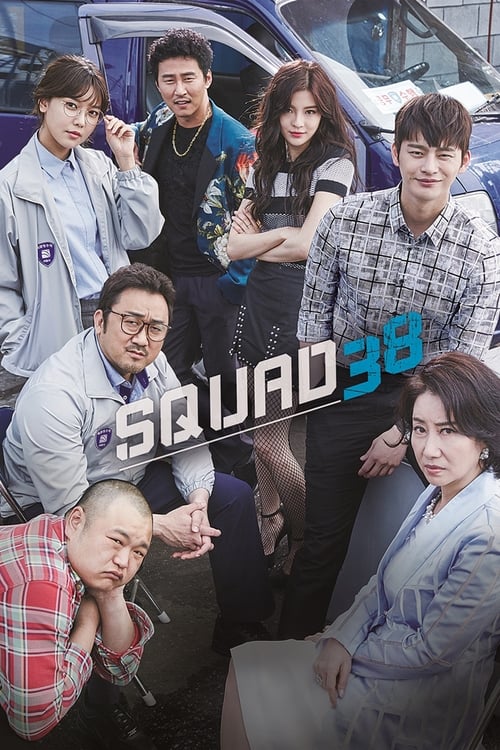
As a reference to Article 38 which pertains to tax payments, this special police unit utilizes the criminals' own tactics of scams and deceit to catch rich tax cheats.
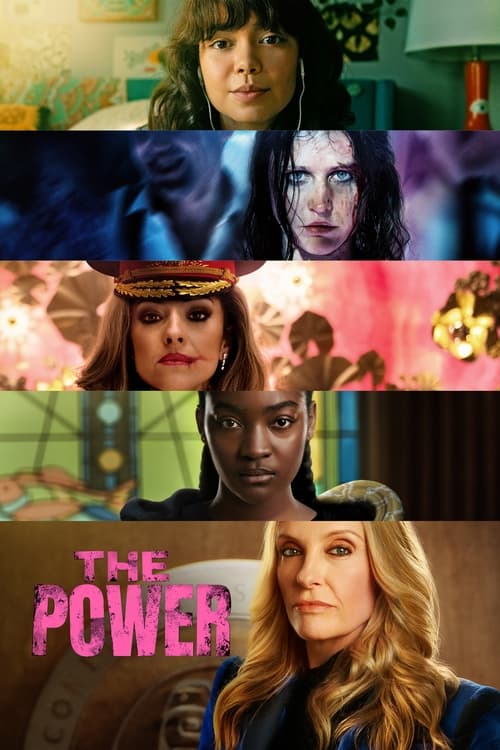
The world of The Power is our world, but for one twist of nature. Suddenly teenage girls develop the power to electrocute people at will. Following remarkable characters from London to Seattle, Nigeria to Eastern Europe, the Power evolves from a tingle in teenagers’ collarbones to a complete reversal of power balance.
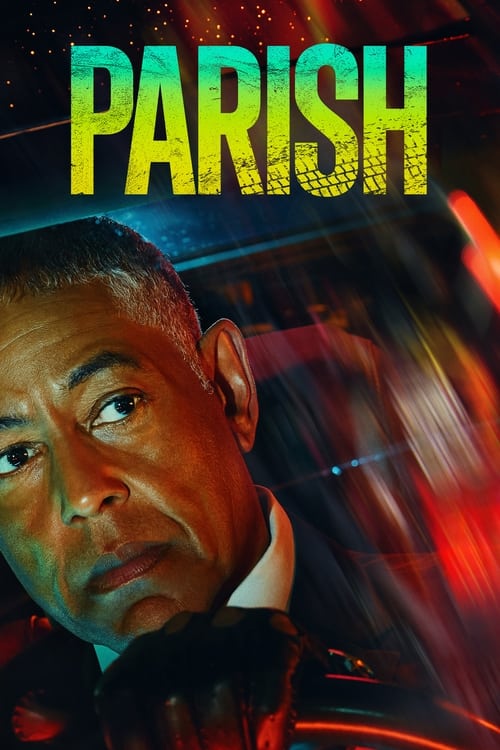
Gray Parish is a good man with a troubled past who gave up his life of crime for life as a family man. But when his son is violently murdered, old habits return, sending him on a relentless quest with moral intentions and dangerous consequences.

When a respected judge's world falls apart overnight, he joins a top law firm's pro bono team — where hope and purpose wait in humble, unexpected places.
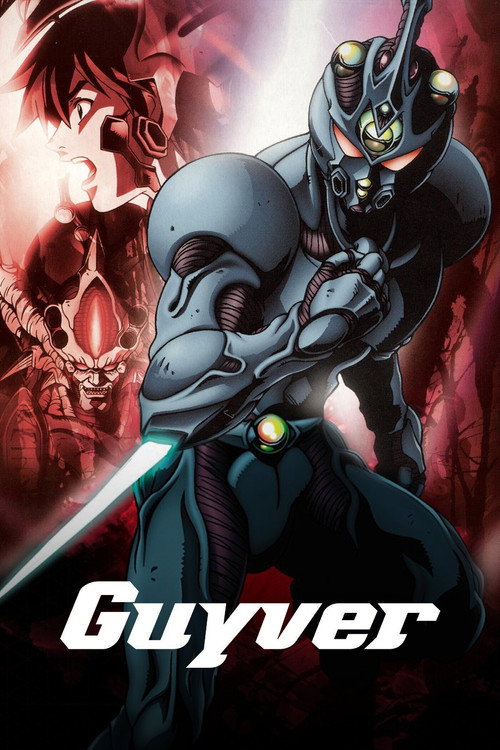
Guyver: The Bioboosted Armor is a Japanese anime series based on the long-running manga series, Bio Booster Armor Guyver, written by Yoshiki Takaya, adapting chapters 1 - 59 of the manga. The production was in association with ADV Films and Kadokawa Shoten. The series first episode aired in Japan on August 6, 2005 and the last episode aired on February 18, 2006. The series aired in North America on December 20, 2010, on the FUNimation Channel.
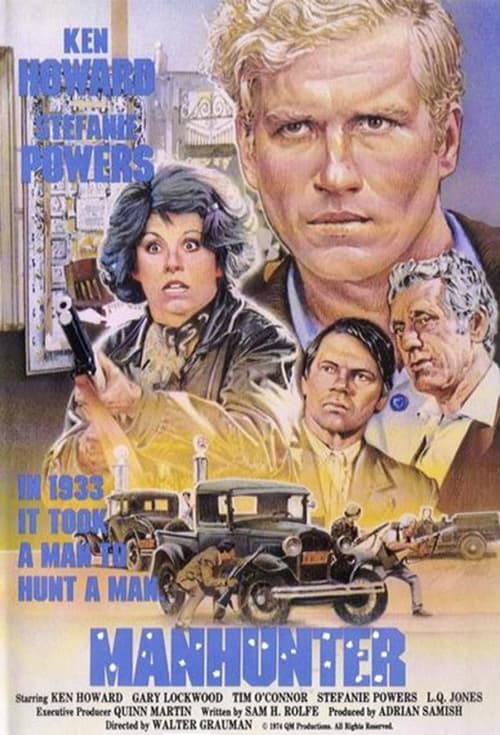
The Manhunter is an American crime drama that was part of CBS' lineup for the 1974–1975 television season. The series was produced by Quinn Martin and starred Ken Howard as Dave Barret, a 1930s-era private investigator from Idaho. The series was executive produced by Quinn Martin.
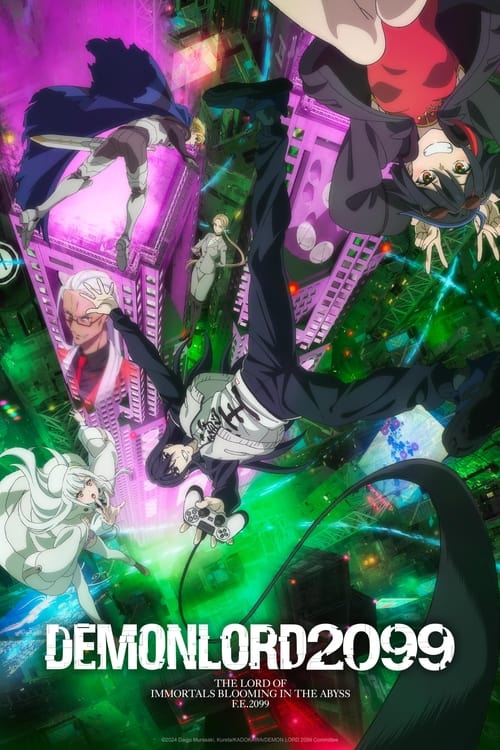
Five centuries ago, Demon Lord Veltol reigned over an immortal nation. Now, the time has come for him to awaken once again. The year is 2099, and civilization has reached peak evolution, leading to a high-tech landscape with towering skyscrapers—nothing like he’s conquered before. Veltol may be a relic of the past, but make no mistake, this new world will be his for the taking!

Set in Eastern China in the mid-19th century Qing Dynasty, the mercantile Chiang family and the ambition and jealousy surrounding the issue of who will inherit the family business when Chiang Kiu dies. Hong Po-kei marries into the Chiang family as Chiang Kiu's fourth wife. She gains ownership of Hing Fung Nin, the family rice shop, and guides the ambitious coolie Chai Kau to rise in the social status ladder.