
User Score
3 votes
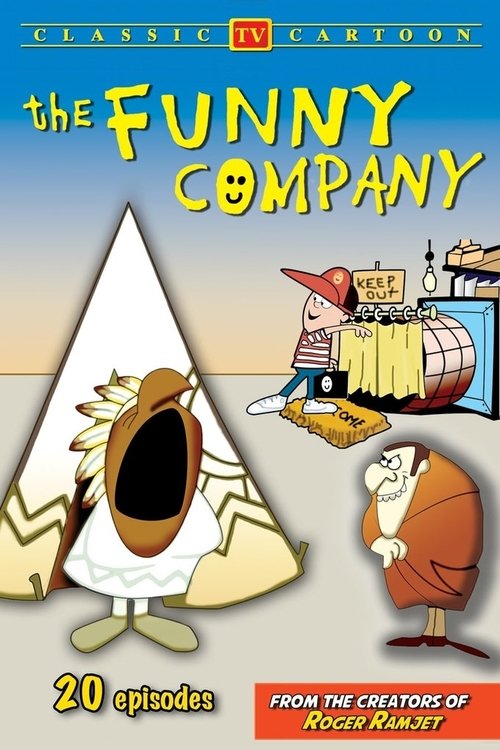
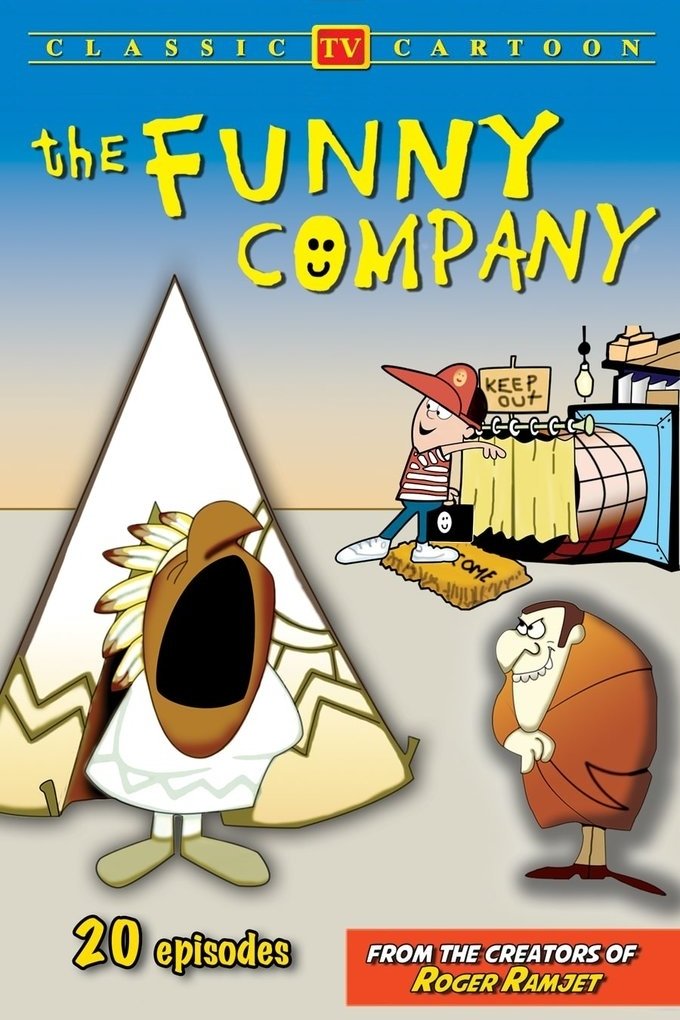
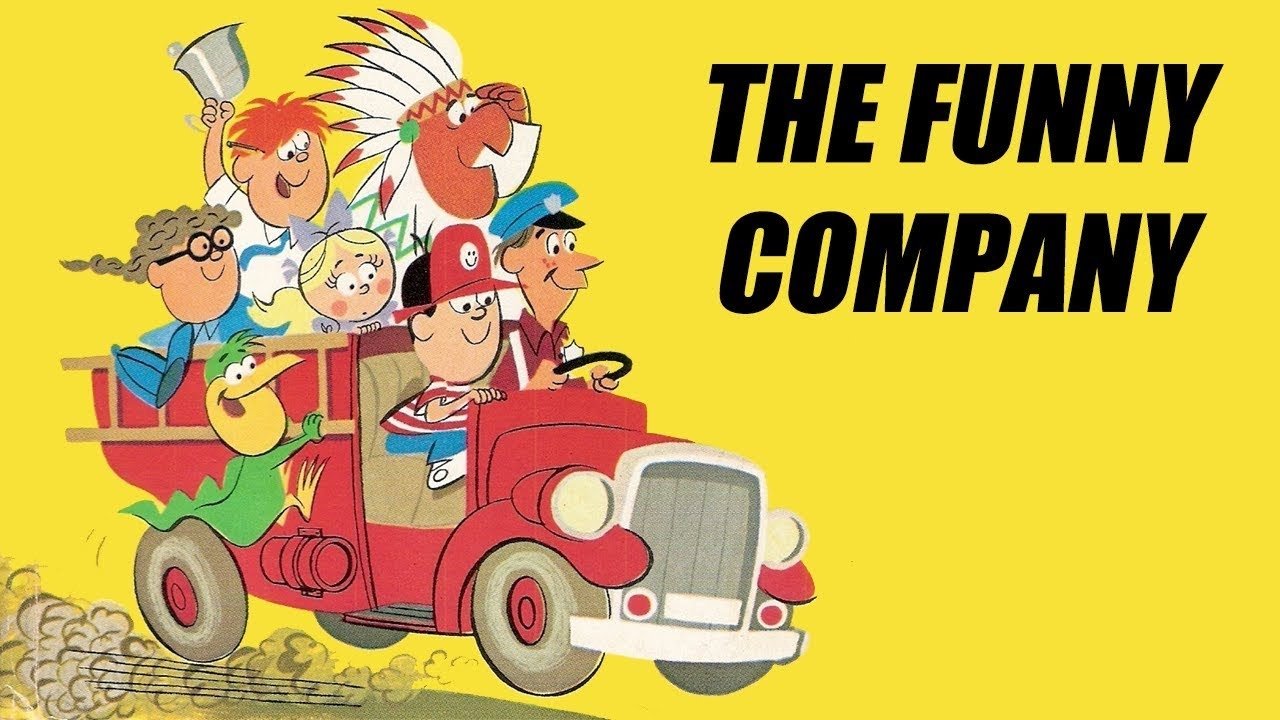
THE FUNNY COMPANY was an American animated cartoon produced in 1963 and seen in syndication. Ken Snyder and Charles Koren produced 260 six-minute long episodes. The Mattel Corporation provided financial backing. Snyder conceived the program in response to then-Federal Communications Commission chairman Newton N. Minow's call for more educational children's programs. THE FUNNY COMPANY group resembled a club not unlike a Junior Achievement organization, and most of the time, the stories would revolve around the Company being hired for various jobs to make a little money or doing something for charity. As time went on, the Company decided to make Shrinkin' Violette a movie star and were on their way to Hollywood. Members included leader Buzzer Bell, inventor Jasper N. Park, club secretary Polly Plum, rotund Merry Twitter, club mascot Terry Dactyl, shy Shrinkin' Violette, and two Native American adults--Super Chief whose voice was an air horn of a single-chime railroad locomotive, and his translator Broken Feather. Another adult lending a hand was Professor Todd Goodheart with his supercomputer, the Weisenheimer.
Creator
Status
Ended
Type
Scripted
Seasons
1
Episodes
8
8 episodes
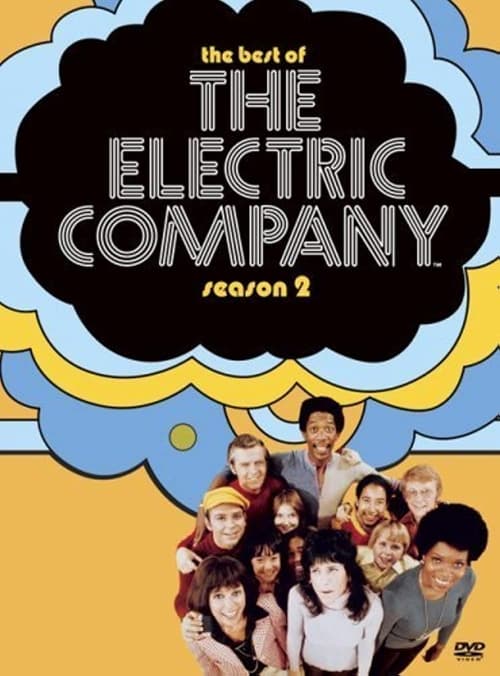
The Electric Company is an educational American children's television series that was produced by the Children's Television Workshop for PBS in the United States. PBS broadcast 780 episodes over the course of its six seasons from October 25, 1971 to April 15, 1977. After it ceased production that year, the program continued in reruns from 1977 to 1985, the result of a decision made in 1975 to produce two final seasons for perpetual use. CTW produced the show at Teletape Studios Second Stage in Manhattan, the first home of Sesame Street. The Electric Company employed sketch comedy and other devices to provide an entertaining program to help elementary school children develop their grammar and reading skills. It was intended for children who had graduated from CTW's flagship program, Sesame Street. Appropriately, the humor was more mature than what was seen there.