
User Score
0 votes
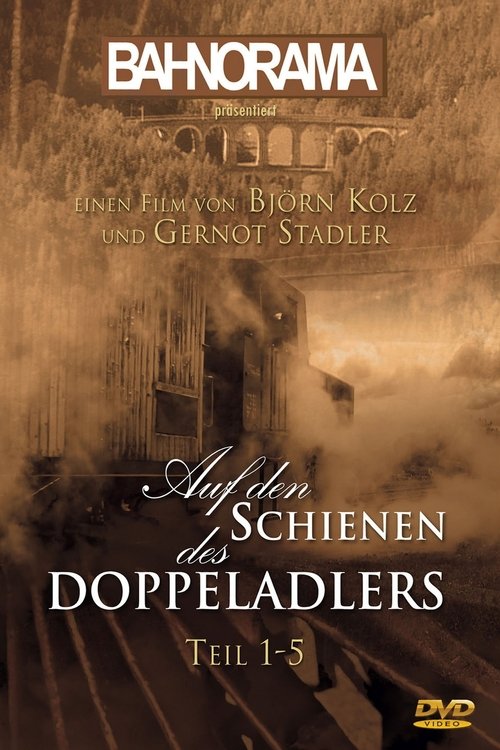
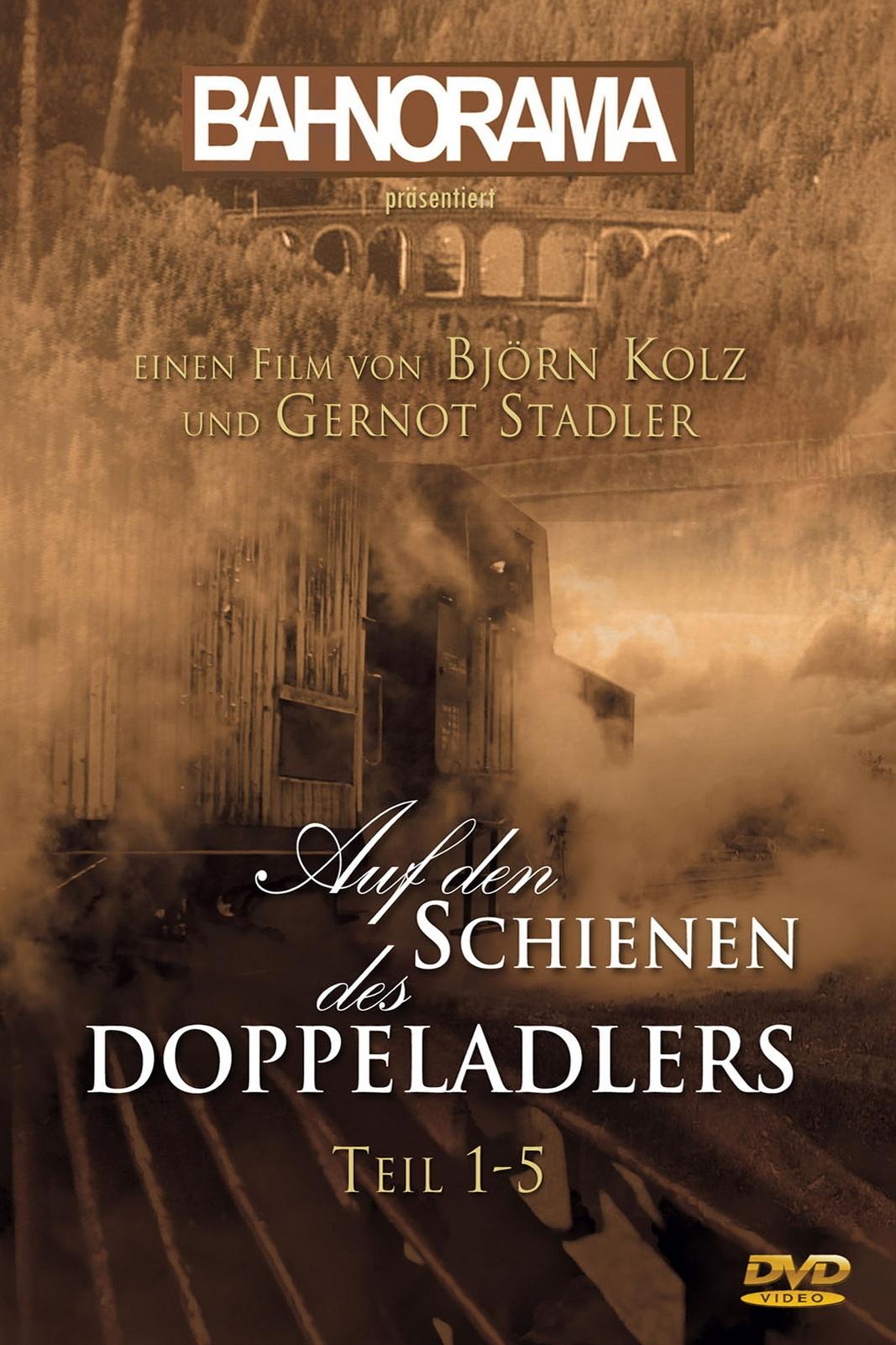
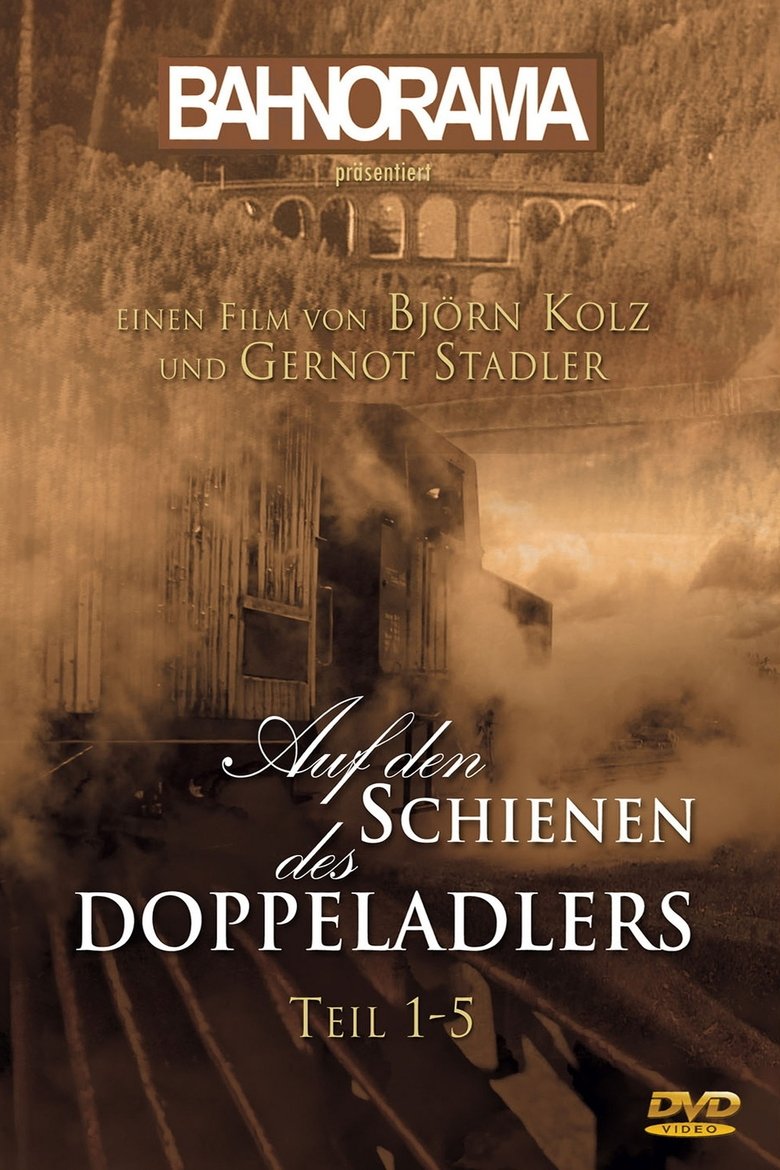
The railway age in the Austrian Empire began with the construction of the horse-drawn railway from Linz to Budweis. Plans soon followed to connect the imperial capital of Vienna with the iron and coal deposits in northern Moravia and with the port city of Trieste. In 1837 the Kaiser Ferdinands Nordbahn was opened, in 1857 the Semmeringbahn planned by Karl Ritter von Ghega, overcoming one of the most difficult obstacles on the way to the Adriatic. The crossing of the Alps by train, such as over the Arlberg or the Brenner, is still considered a unique engineering masterpiece. The expansion of the railway network brought epochal changes. Goods and people circulated on an unprecedented scale – life accelerated. It had succeeded in connecting the northern crown lands such as Silesia or Bohemia and Moravia with Carinthia, Tyrol or the coastal region.
Creator
Creator
Status
Ended
Type
Documentary
Seasons
1
Episodes
5
5 episodes
Self - Technisches Museum Wien
Follow different Trainers around the Pokémon world as they grow and evolve with their Pokémon.