User Score
15 votes
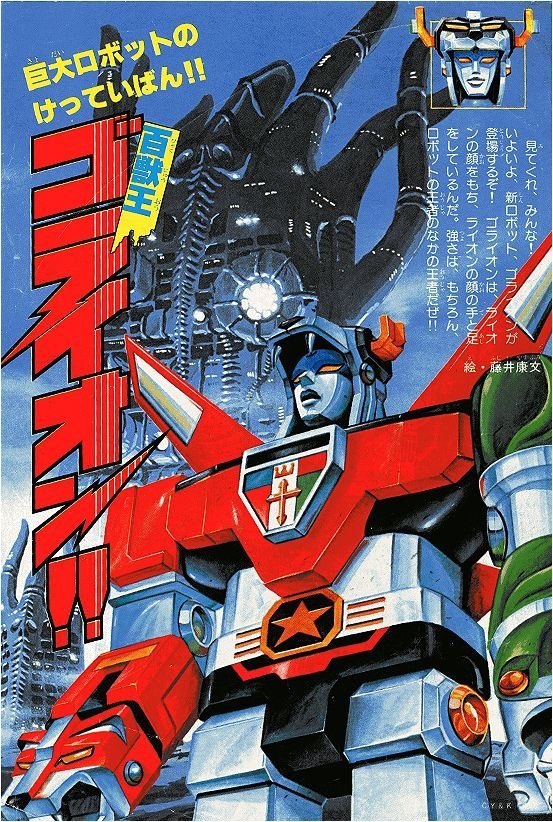
“Let's Go Lion!”
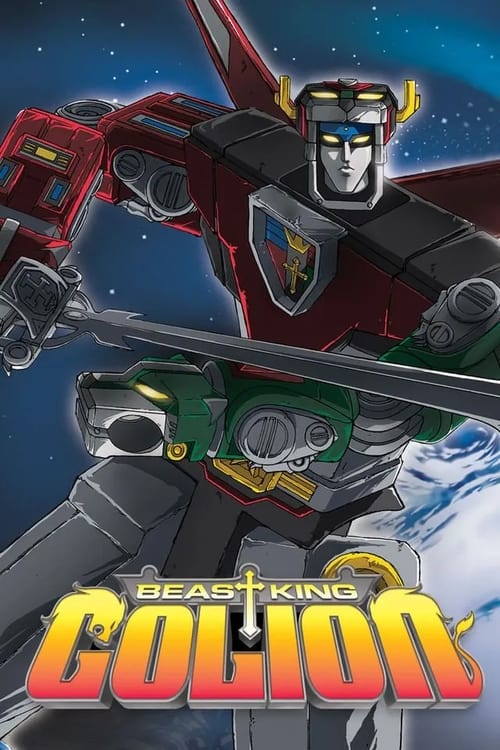
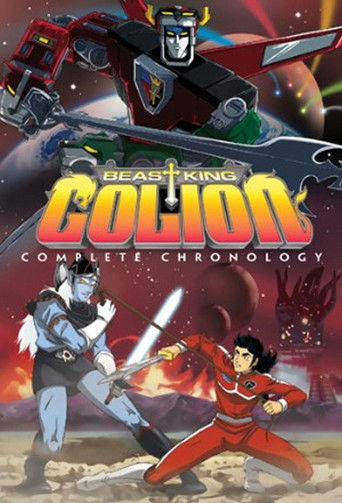
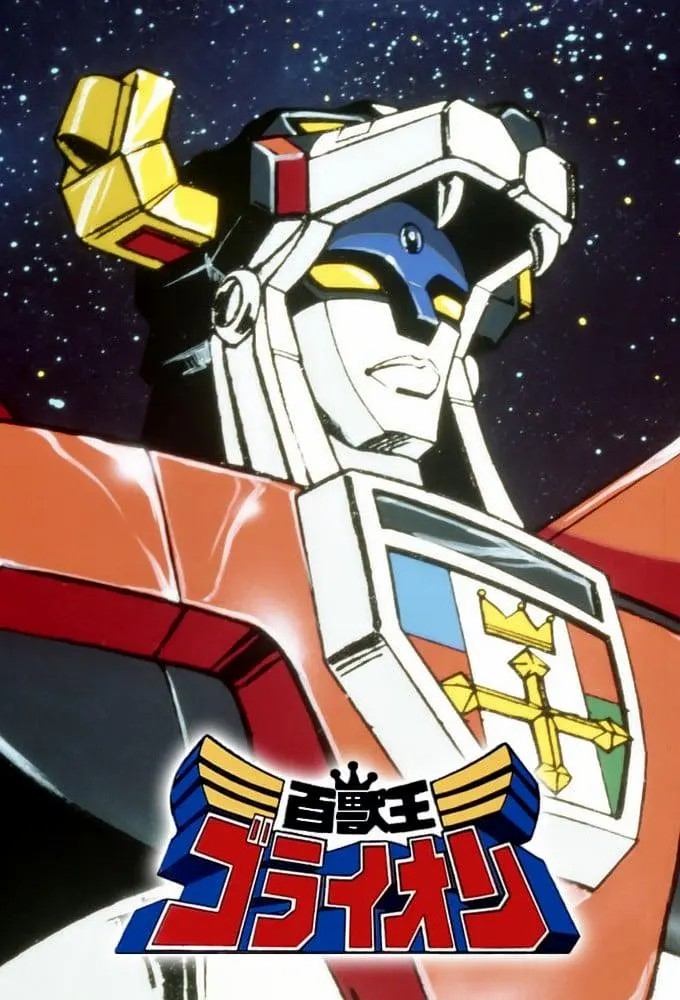
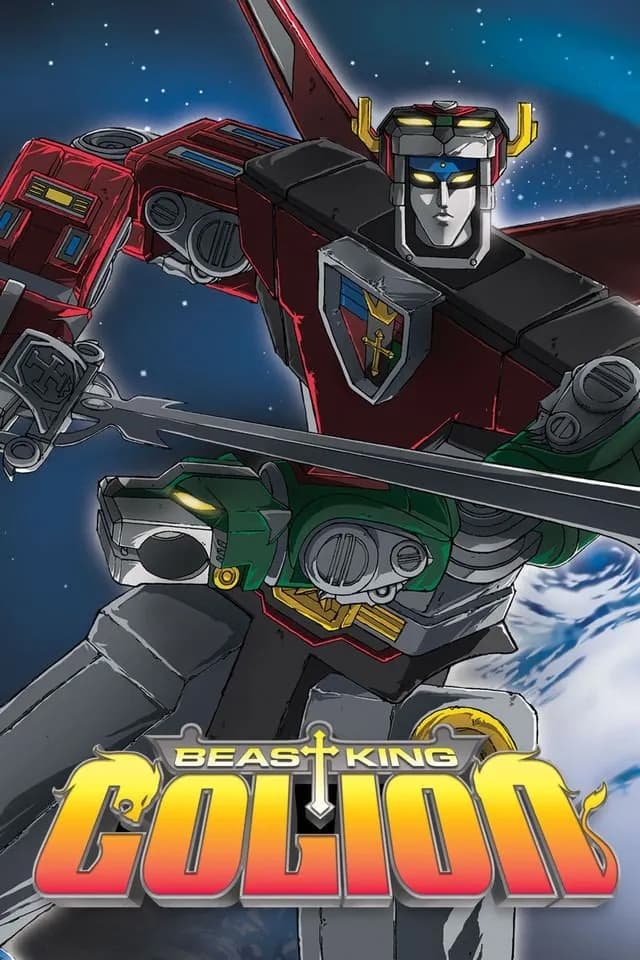
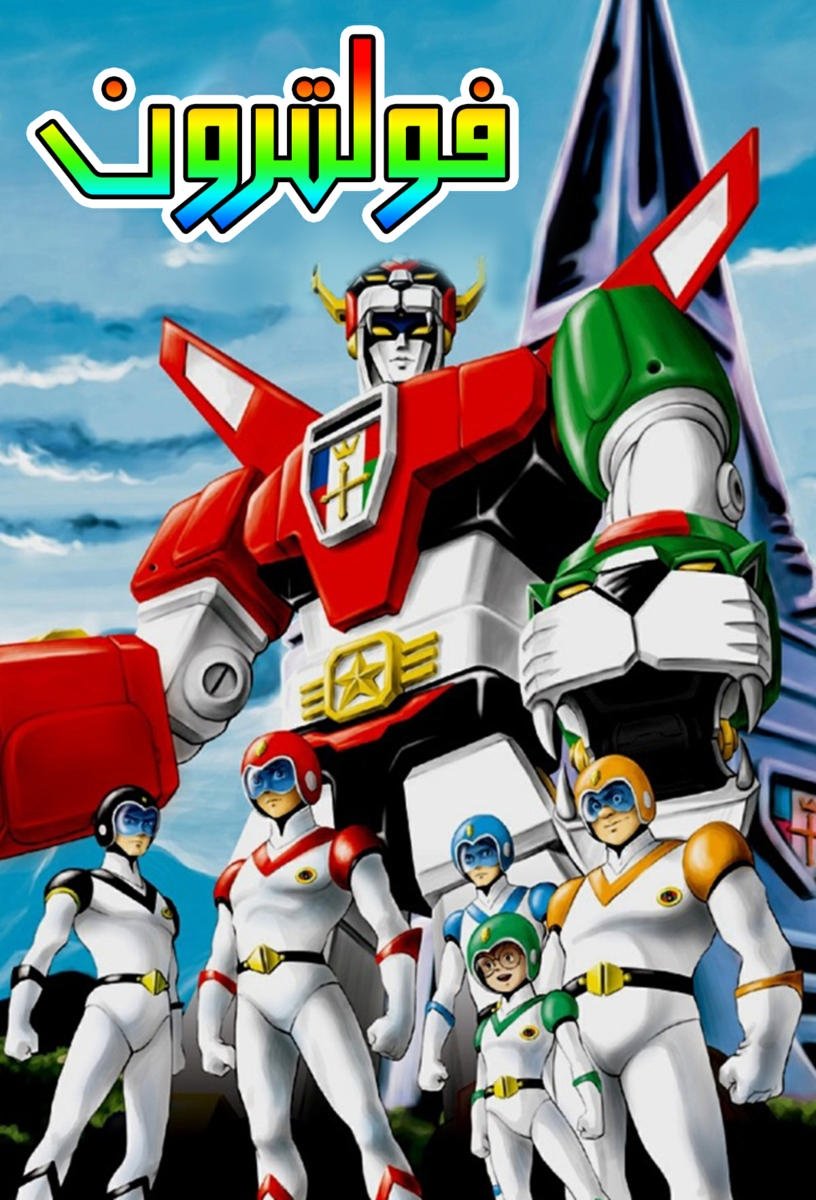
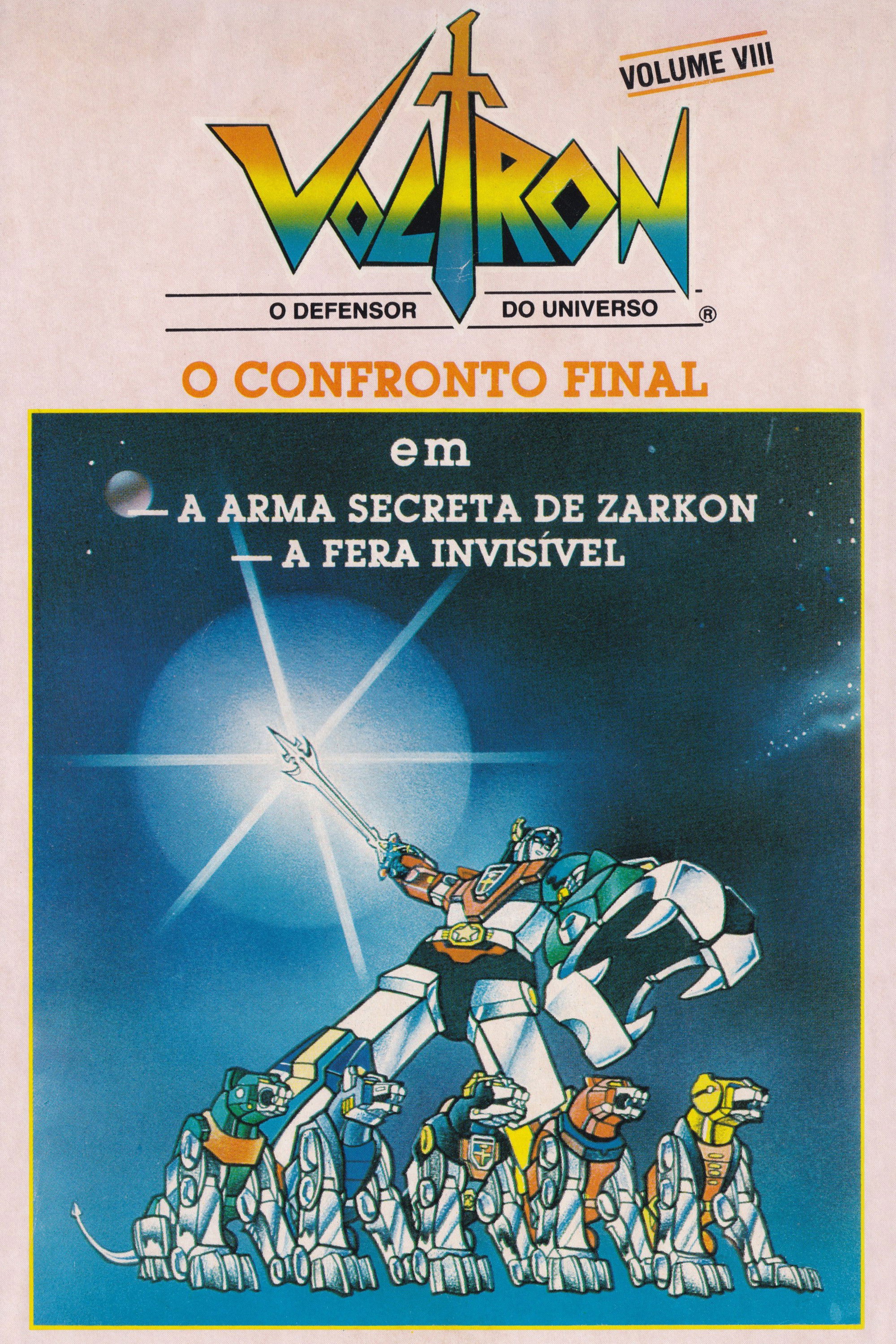
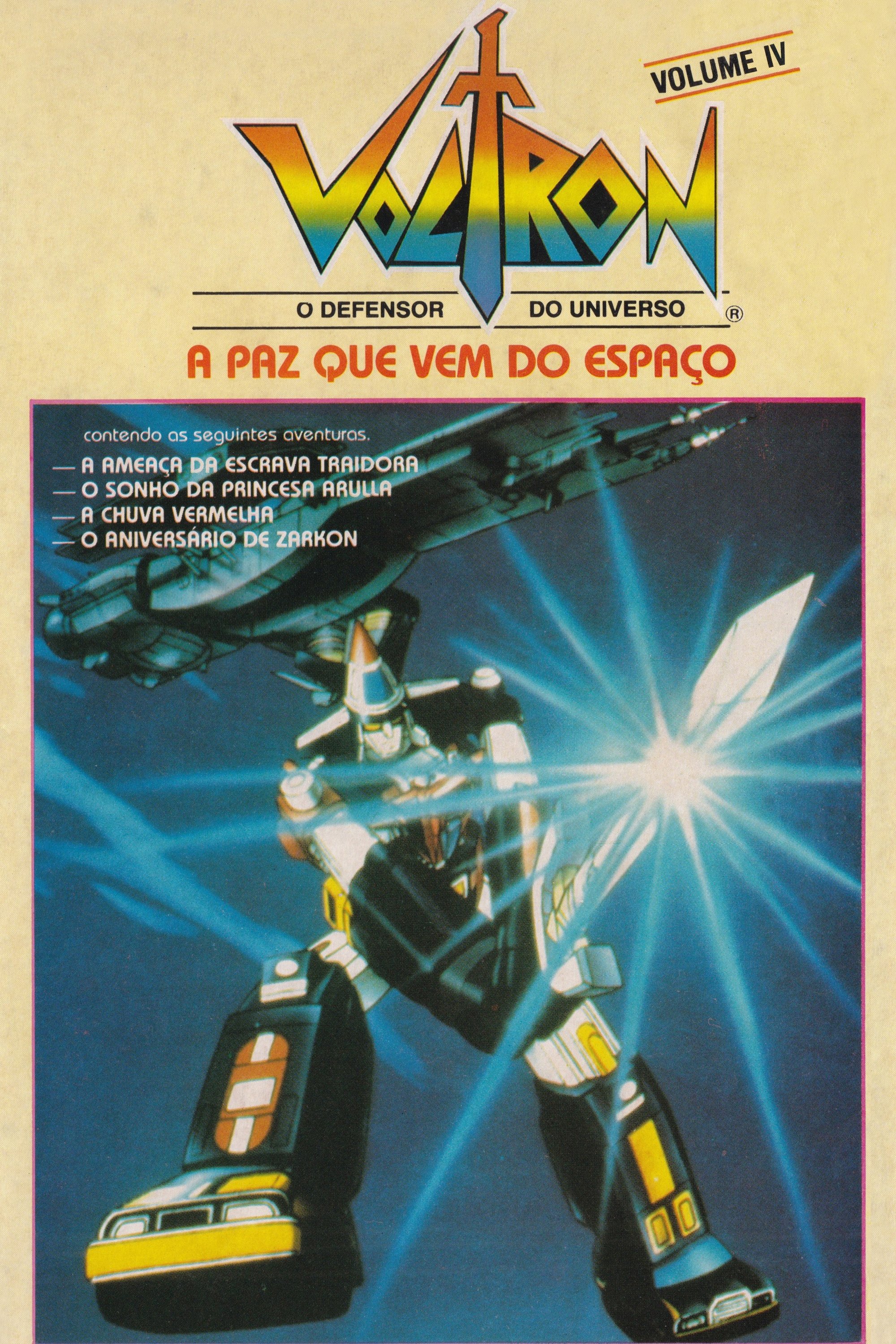
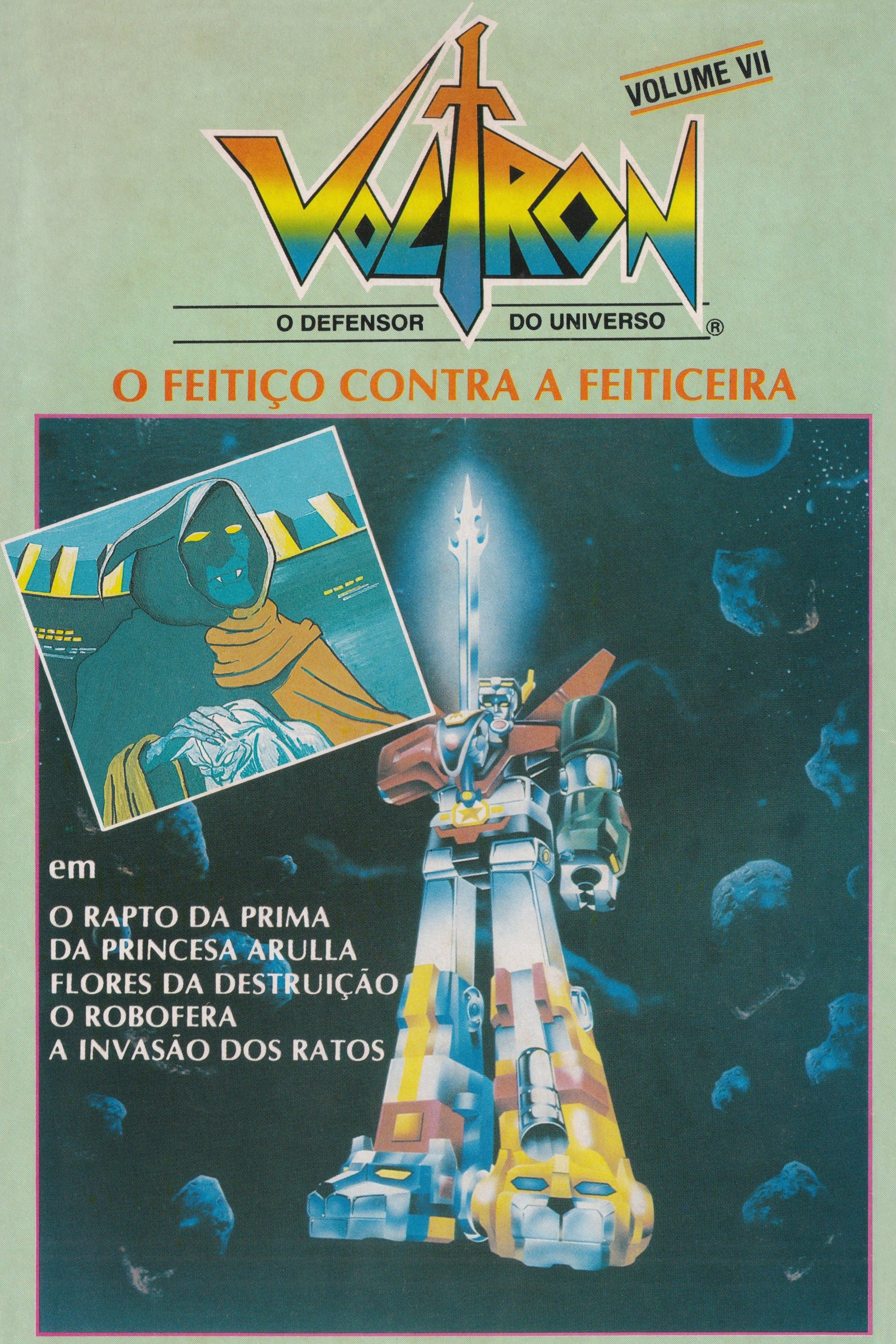
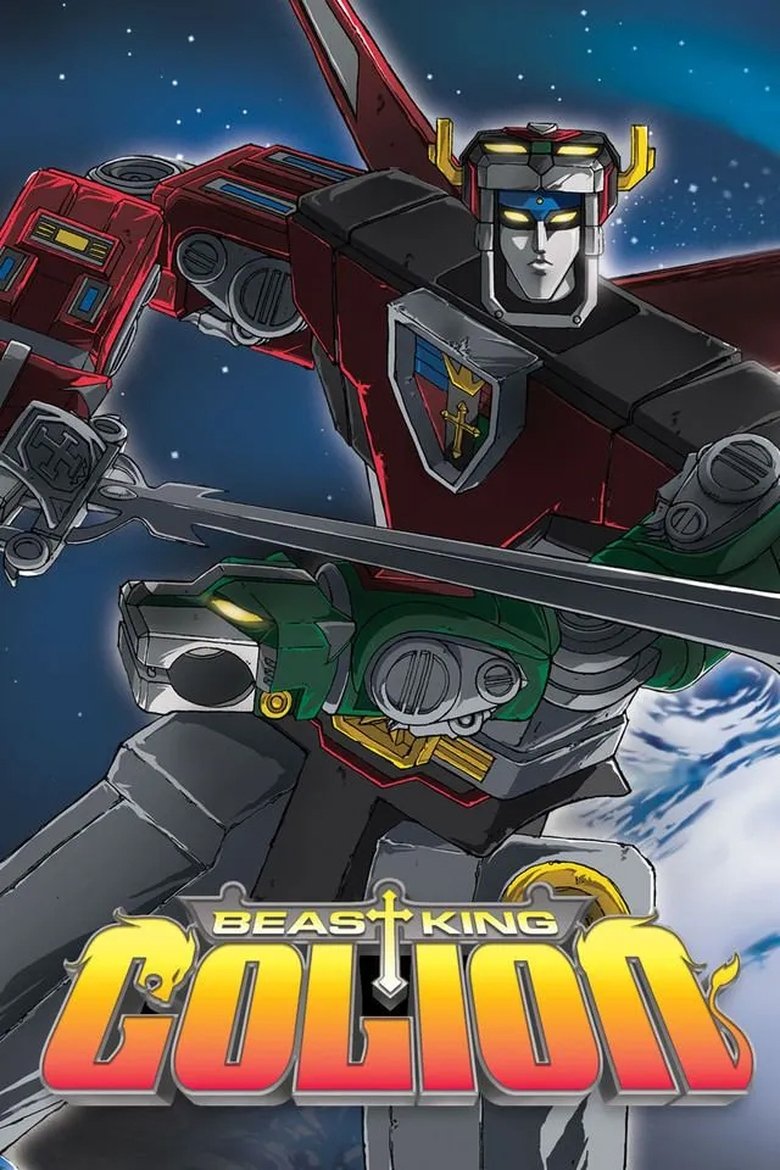
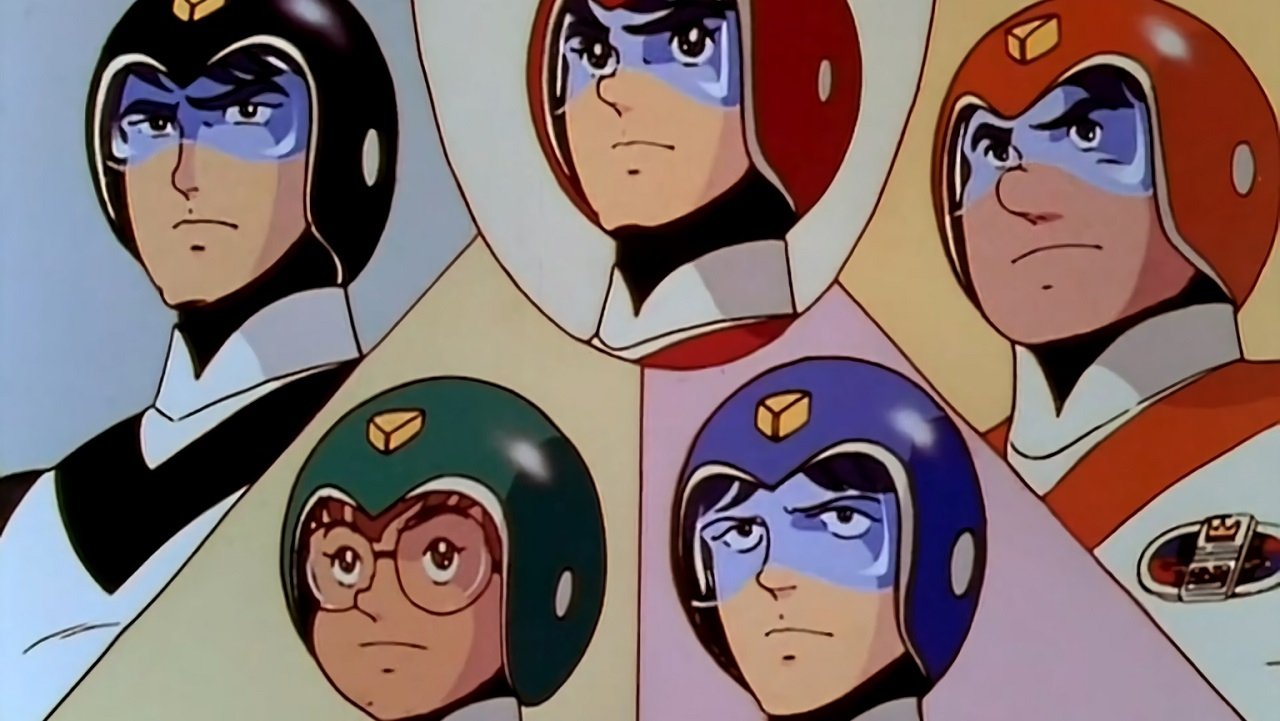
Long ago, a powerful sentient robot known as GoLion, abused his great powers by attacking and killing creatures known as Deathblack Beastmen, boasting that no one could defeat him. For his arrogance, The Goddess of the Universe punished GoLion by separating him into 5 different lion robots. In the year 1999, a group of 5 young men returned to Earth after a space voyage, only to find it ravaged by nuclear war. After encountering the alien race known as the Galra, the 5 youths end up on the planet Altea and learn that the 5 lion robots that GoLion was split into are in hibernation in various parts of Altea. Somehow, they must reunite the lions and form GoLion, the only hope for the human race.
Status
Ended
Type
Scripted
Seasons
1
Episodes
52
52 episodes

Princess Fala (voice)
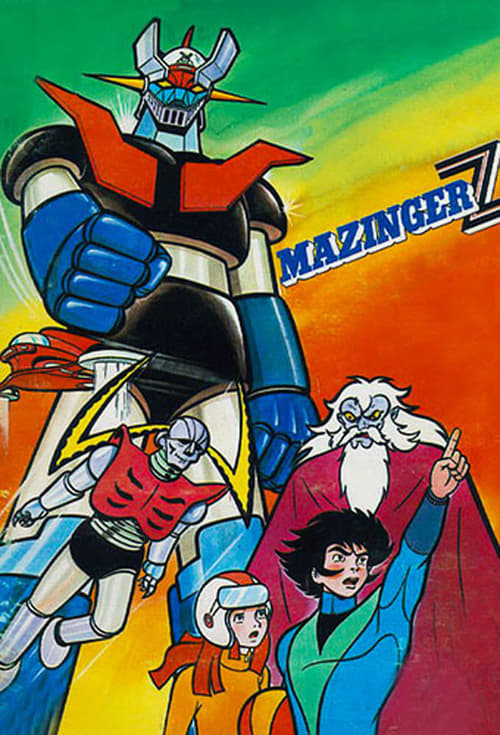
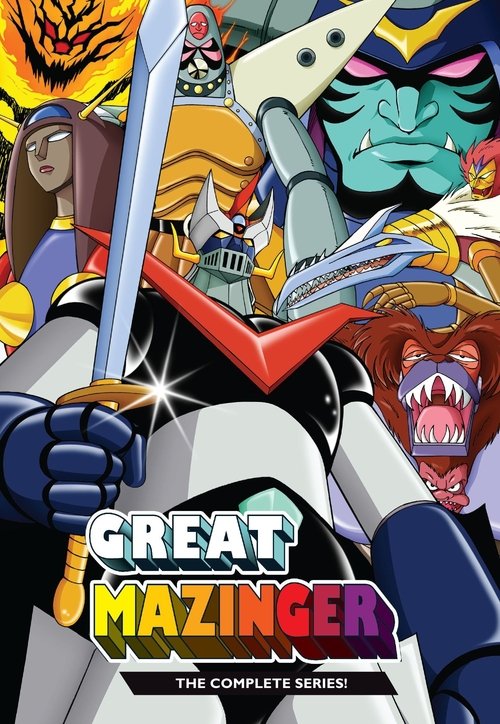
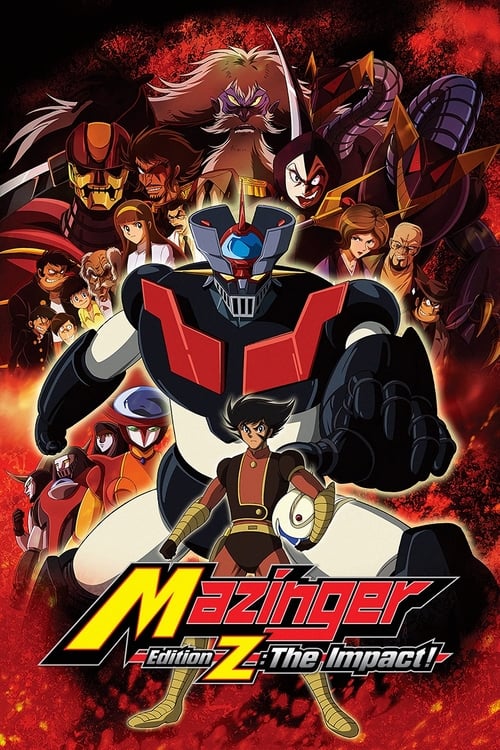
Mazinger Z, known briefly as Tranzor Z in the United States, is a Japanese super robot manga series written and illustrated by Go Nagai. The first manga version was serialized in Shueisha's Weekly Shōnen Jump from October 1972 to August 1973, and it later continued in Kodansha TV Magazine from October 1973 to September 1974. It was adapted into an anime television series which aired on Fuji TV from December 1972 to September 1974. A second manga series was released alongside the TV show, this one drawn by Gosaku Ota, which started and ended almost at the same time of the TV show. Mazinger Z has spawned several sequels and spinoff series, among them UFO Robot Grendizer and Mazinkaiser. It was a very popular cartoon in Mexico during the 1980s, where it was dubbed into Spanish directly from the Japanese version, keeping the Japanese character names and broadcasting all 92 episodes, unlike the version aired in the U.S.