66
Age
10
Movies
2
TV Shows
6.7
Rating
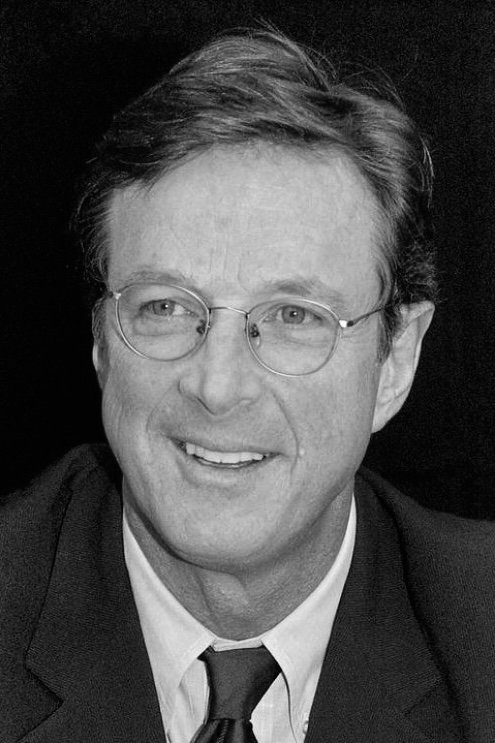
John Michael Crichton (/ˈkraɪtən/; October 23, 1942 – November 4, 2008) was an American author, screenwriter and filmmaker. His books have sold over 200 million copies worldwide, and over a dozen have been adapted into films. His literary works heavily feature technology and are usually within the science fiction, techno-thriller, and medical fiction genres. Crichton's novels often explore human technological advancement and attempted dominance over nature, both with frequently catastrophic results; many of his works are cautionary tales, especially regarding themes of biotechnology. Several of his stories centre on themes of genetic modification, hybridisation, palaeontology and/or zoology. Many features have medical or scientific underpinnings, reflective of his medical training.
66
Died at
10
Movies
2
TV Shows
6.7
Avg Rating
John Michael Crichton (/ˈkraɪtən/; October 23, 1942 – November 4, 2008) was an American author, screenwriter and filmmaker. His books have sold over 200 million copies worldwide, and over a dozen have been adapted into films. His literary works heavily feature technology and are usually within the science fiction, techno-thriller, and medical fiction genres. Crichton's novels often explore human technological advancement and attempted dominance over nature, both with frequently catastrophic results; many of his works are cautionary tales, especially regarding themes of biotechnology. Several of his stories centre on themes of genetic modification, hybridisation, palaeontology and/or zoology. Many features have medical or scientific underpinnings, reflective of his medical training.
2011
John Michael Crichton (/ˈkraɪtən/; October 23, 1942 – November 4, 2008) was an American author, screenwriter and filmmaker. His books have sold over 200 million copies worldwide, and over a dozen have been adapted into films. His literary works heavily feature technology and are usually within the science fiction, techno-thriller, and medical fiction genres. Crichton's novels often explore human technological advancement and attempted dominance over nature, both with frequently catastrophic results; many of his works are cautionary tales, especially regarding themes of biotechnology. Several of his stories centre on themes of genetic modification, hybridisation, palaeontology and/or zoology. Many features have medical or scientific underpinnings, reflective of his medical training.
Crichton received an MD from Harvard Medical School in 1969 but did not practice medicine, instead choosing to focus on his writing. Initially writing under a pseudonym, he eventually published 25 novels in his lifetime, including: The Andromeda Strain (1969), The Terminal Man (1972), The Great Train Robbery (1975), Congo (1980), Sphere (1987), Jurassic Park (1990), Rising Sun (1992), Disclosure (1994), The Lost World (1995), Airframe (1996), Timeline (1999), Prey (2002), State of Fear (2004), and Next (2006). Four more novels, in various stages of completion, were published after he died in 2008.
Crichton was also involved in the film and television industry. In 1973, he wrote and directed Westworld, the first film to use 2D computer-generated imagery. He also directed Coma (1978), The First Great Train Robbery (1978), Looker (1981), and Runaway (1984). He was the creator of the television series ER (1994–2009), and several of his novels were adapted into films, most notably the Jurassic Park franchise.
Description above from the Wikipedia article Michael Crichton, licensed under CC-BY-SA, full list of contributors on Wikipedia.
Gender
Male
Birthday
October 23, 1942
Died
November 4, 2008
Birthplace
Chicago, Illinois, USA
Also Known As
Return to Jurassic Park
2011
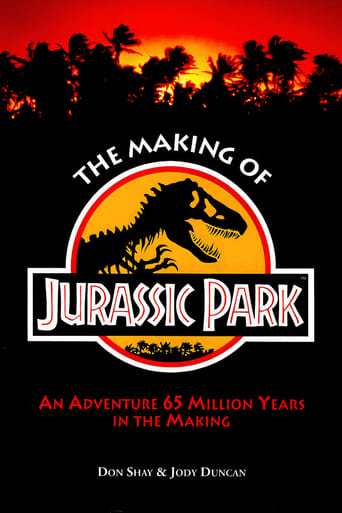
The Making of 'Jurassic Park'
1995
The Andromeda Strain
1971
The Man Who Shot Chinatown: The Life and Work of John A. Alonzo
2007
The Making of 'The Lost World'
1997
The Andromeda Strain: Making the Film
2003
Intimate Portrait: Sean Connery
1998
Beyond Jurassic Park
2001
On Location with Westworld
1973
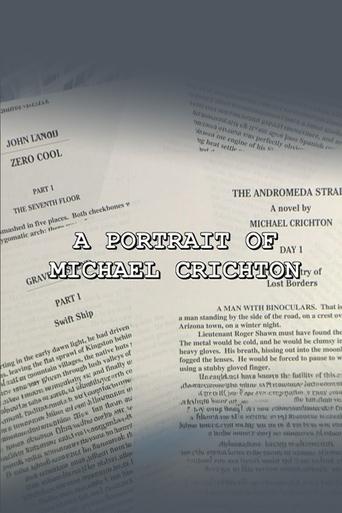
A Portrait of Michael Crichton
2003