84
Age
18
Movies
4
TV Shows
7.8
Rating
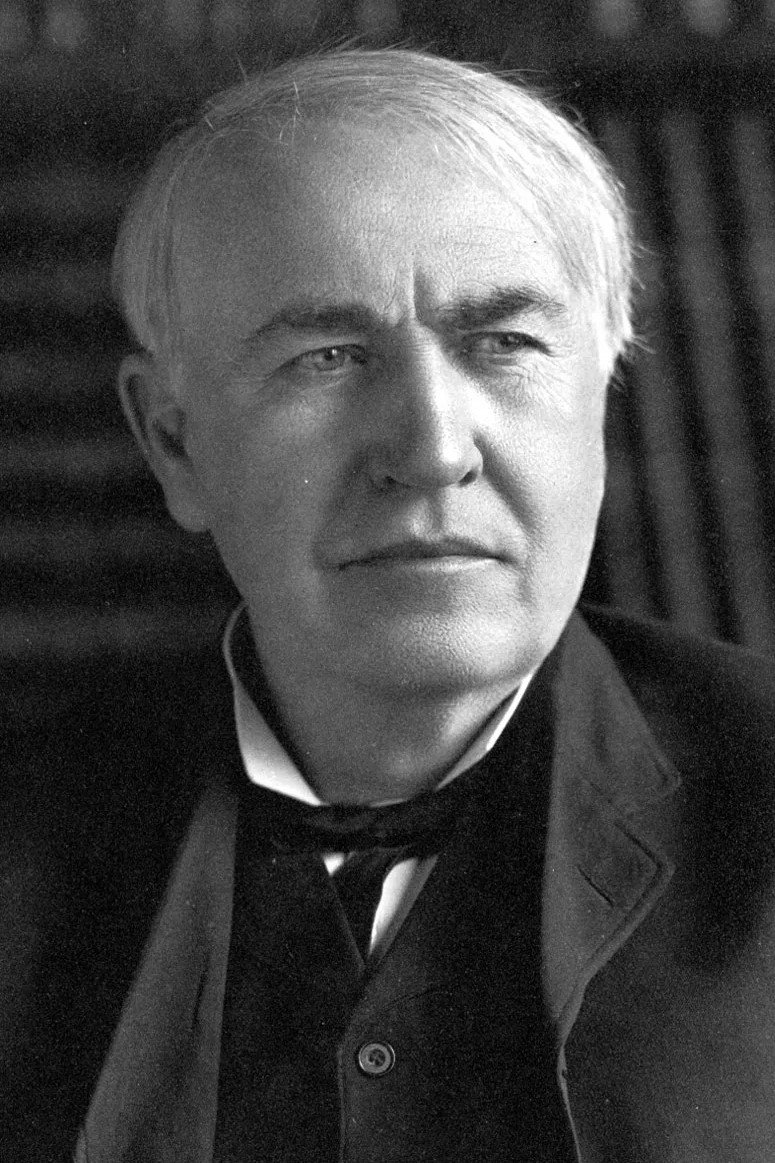
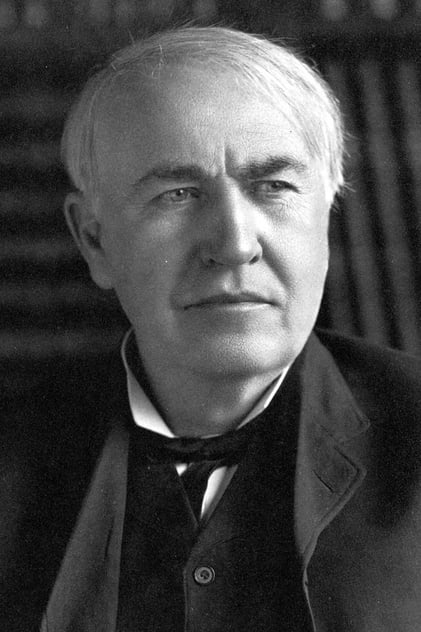
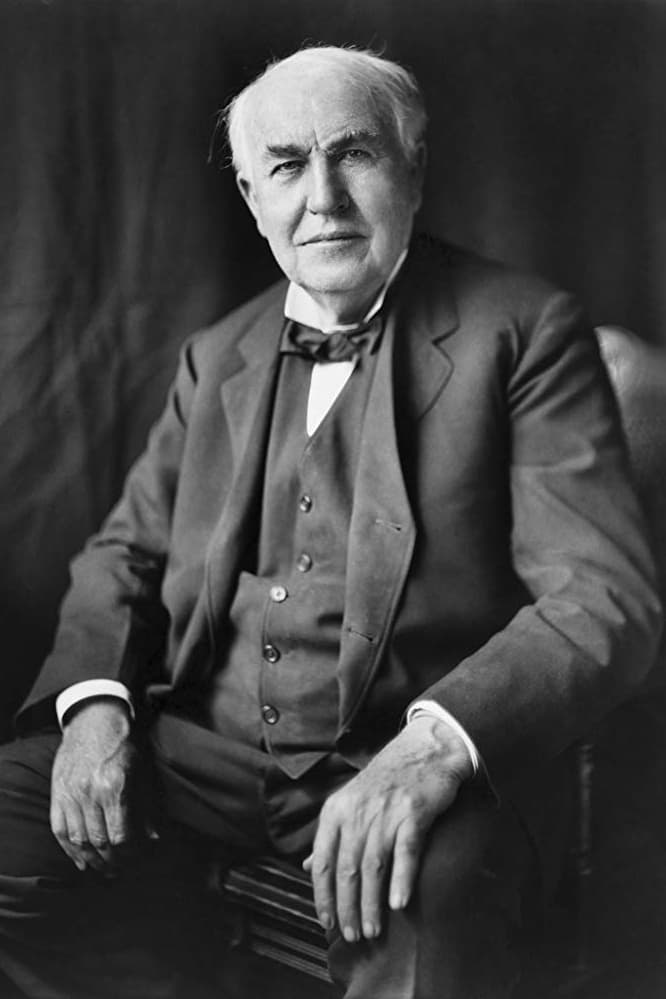
Thomas Alva Edison (February 11, 1847 – October 18, 1931) was an American inventor and businessman who has been described as America's greatest inventor. He developed many devices in fields such as electric power generation, mass communication, sound recording, and motion pictures. These inventions, which include the phonograph, the motion picture camera, and the long-lasting, practical electric light bulb, have had a widespread impact on the modern industrialized world. He was one of the first inventors to apply the principles of organized science and teamwork to the process of invention, working with many researchers and employees. He established the first industrial research laboratory.
84
Died at
18
Movies
4
TV Shows
7.8
Avg Rating
Thomas Alva Edison (February 11, 1847 – October 18, 1931) was an American inventor and businessman who has been described as America's greatest inventor. He developed many devices in fields such as electric power generation, mass communication, sound recording, and motion pictures. These inventions, which include the phonograph, the motion picture camera, and the long-lasting, practical electric light bulb, have had a widespread impact on the modern industrialized world. He was one of the first inventors to apply the principles of organized science and teamwork to the process of invention, working with many researchers and employees. He established the first industrial research laboratory.
2020
Thomas Alva Edison (February 11, 1847 – October 18, 1931) was an American inventor and businessman who has been described as America's greatest inventor. He developed many devices in fields such as electric power generation, mass communication, sound recording, and motion pictures. These inventions, which include the phonograph, the motion picture camera, and the long-lasting, practical electric light bulb, have had a widespread impact on the modern industrialized world. He was one of the first inventors to apply the principles of organized science and teamwork to the process of invention, working with many researchers and employees. He established the first industrial research laboratory.
Edison was raised in the American Midwest; early in his career he worked as a telegraph operator, which inspired some of his earliest inventions. In 1876, he established his first laboratory facility in Menlo Park, New Jersey, where many of his early inventions were developed. He later established a botanic laboratory in Fort Myers, Florida in collaboration with businessmen Henry Ford and Harvey Firestone, and a laboratory in West Orange, New Jersey that featured the world's first film studio, the Black Maria. He was a prolific inventor, holding 1,093 US patents in his name, as well as patents in other countries. Edison married twice and fathered six children. He died in 1931 of the complications of diabetes.
Gender
Male
Birthday
February 11, 1847
Died
October 18, 1931
Birthplace
Milan, Ohio, USA
Also Known As
The Inventor: Out for Blood in Silicon Valley
2019
Naqoyqatsi
2002
Making Waves: The Art of Cinematic Sound
2019
Okay for Sound
1946
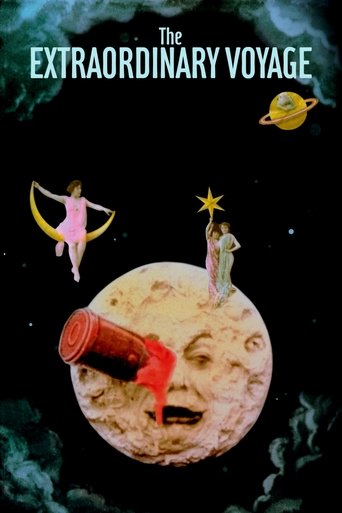
The Extraordinary Voyage
2011
Star Power: The Creation Of United Artists
1998
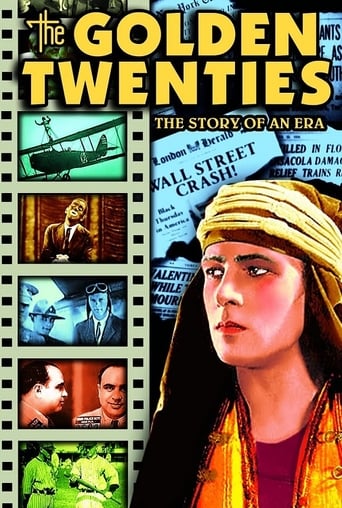
The Golden Twenties
1950
Murnau, Borzage and Fox
2008
The Film That Was Lost
1942
Before the Nickelodeon: The Cinema of Edwin S. Porter
1982
The Shadow of Hate: A History of Intolerance in America
1995
Edison
2015
The Crash of 1929
1990
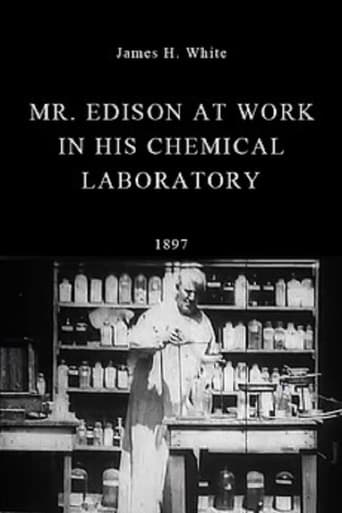
Mr. Edison at Work in His Chemical Laboratory
1897
A Day with Thomas A. Edison
1922
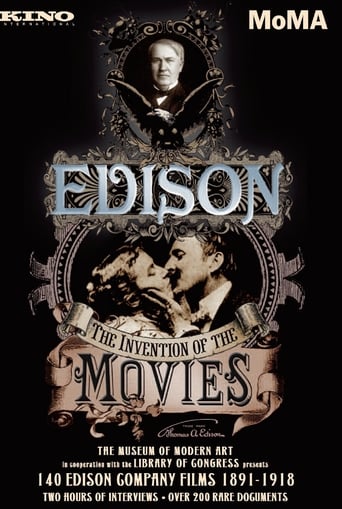
Edison: The Invention of the Movies
2005
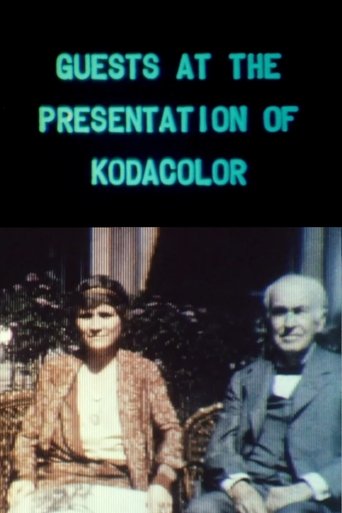
Guests at the Presentation of Kodacolor at the Home of Mr. George Eastman, Rochester, N.Y.
1928
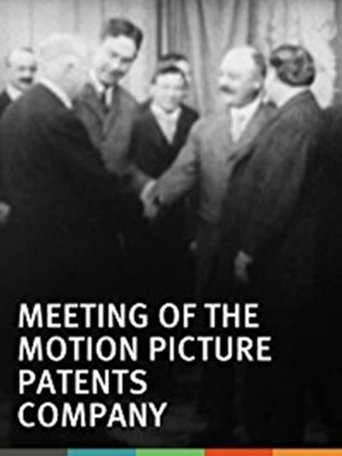
Meeting of the Motion Pictures Patents Company
1909