84
Age
17
Movies
3
TV Shows
8.8
Rating
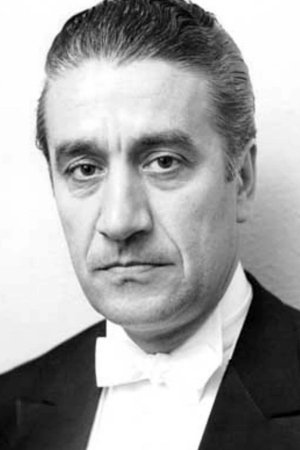
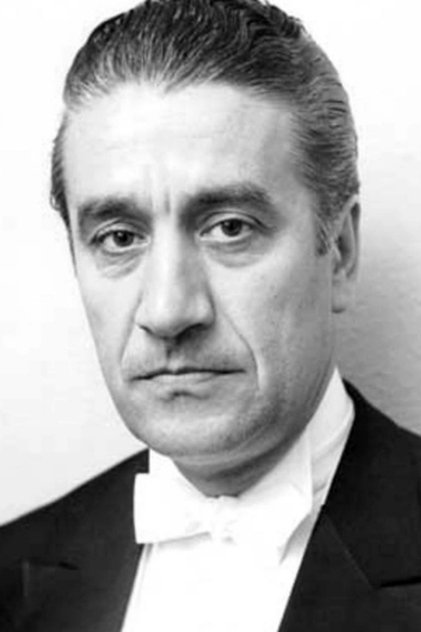
Sergiu Celibidache (Romanian: [ˈserd͡ʒju t͡ʃelibiˈdake]; 11 July [O.S. 28 June] 1912 – 14 August 1996) was a Romanian conductor, composer, musical theorist, and teacher. Educated in his native Romania, and later in Paris and Berlin, Celibidache's career in music spanned over five decades, including tenures as principal conductor of the Munich Philharmonic, Berlin Philharmonic, Sicilian Symphony Orchestra and several other European orchestras. Later in life, he taught at Mainz University in Germany and the Curtis Institute of Music in Philadelphia, Pennsylvania.
84
Died at
17
Movies
3
TV Shows
8.8
Avg Rating
Sergiu Celibidache (Romanian: [ˈserd͡ʒju t͡ʃelibiˈdake]; 11 July [O.S. 28 June] 1912 – 14 August 1996) was a Romanian conductor, composer, musical theorist, and teacher. Educated in his native Romania, and later in Paris and Berlin, Celibidache's career in music spanned over five decades, including tenures as principal conductor of the Munich Philharmonic, Berlin Philharmonic, Sicilian Symphony Orchestra and several other European orchestras. Later in life, he taught at Mainz University in Germany and the Curtis Institute of Music in Philadelphia, Pennsylvania.
1968
Sergiu Celibidache (Romanian: [ˈserd͡ʒju t͡ʃelibiˈdake]; 11 July [O.S. 28 June] 1912 – 14 August 1996) was a Romanian conductor, composer, musical theorist, and teacher. Educated in his native Romania, and later in Paris and Berlin, Celibidache's career in music spanned over five decades, including tenures as principal conductor of the Munich Philharmonic, Berlin Philharmonic, Sicilian Symphony Orchestra and several other European orchestras. Later in life, he taught at Mainz University in Germany and the Curtis Institute of Music in Philadelphia, Pennsylvania.
Celibidache frequently refused to release his performances on commercial recordings during his lifetime, claiming that a listener could not have a "transcendental experience" outside the concert hall. Many of the recordings of his performances were released posthumously. He has nonetheless earned international acclaim for his interpretations of the classical repertoire and was known for a spirited performance style informed by his study and experiences in Zen Buddhism. He is regarded as one of the greatest conductors of the 20th century.
Sergiu Celibidache was born on 28 June 1912 to Demostene Celebidachi, a cavalry officer of the Romanian army and later prefect of the Iași region and Maria Celebidachi (née Brăteanu), in Roman, a small city in the Moldavia region of Romania, where his father was a government official. He grew up in Iași, where his family soon moved after his birth. He was already improvising at the piano by the age of four, and after a traditional schooling in mathematics, philosophy and music in Iași, was sent by his father to Bucharest and then to Paris, where he continued his studies. His father had expected him to pursue a political career in Romania, but in 1936 Celibidache enrolled in the Hochschule für Musik (Academy of Music) in Berlin (German authorities erroneously changed his surname from Celebidachi to Celibidache, the form he retained), where he studied composition with Heinz Tiessen and conducting with Kurt Thomas, Walter Gmeindl and Fritz Stein. He continued with doctoral studies at the Friedrich Wilhelm University (Friedrich-Wilhelms-Universität), where he studied philosophy with Nicolai Hartmann and Eduard Spranger and musicology with Arnold Schering and Georg Schünemann. He submitted a dissertation on Josquin des Prez and received his degree in 1944. Throughout the 1940s, he accompanied and was romantically involved with Romanian-born dancer and choreographer Iris Barbura. During his studies in Berlin, Celibidache was introduced to Zen Buddhism by his teacher Martin Steinke, and Buddhism informed Celibidache's worldview and work for the rest of his life. In a 1986 interview, he said, "I was born a Christian Orthodox, and studied philosophy, but I still couldn't find solutions to my problems. It was through Steinke that I found [...] the way of Zen. All I can say is that without Zen I couldn't have known this strange principle that the beginning is the end. Music is nothing but the materialization of this principle." ...
Source: Article "Sergiu Celibidache" from Wikipedia in English, licensed under CC-BY-SA 3.0.
Gender
Male
Birthday
July 11, 1912
Died
August 14, 1996
Birthplace
Roman, Romania
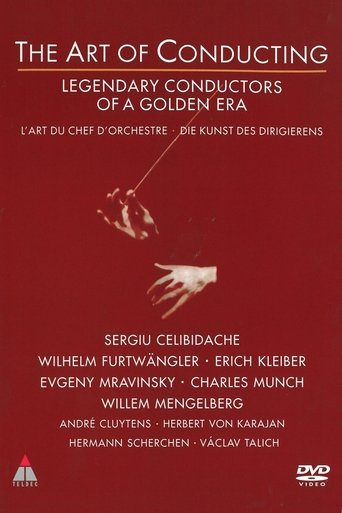
The Art of Conducting - Legendary Conductors of a Golden Era
1997
Zahia - Un Temps d'Avance
2023
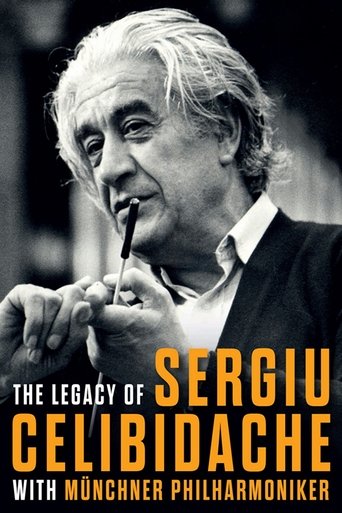
The Legacy of Sergiu Celibidache with Münchner Philharmoniker
2024
The Garden of Celibidache
1997
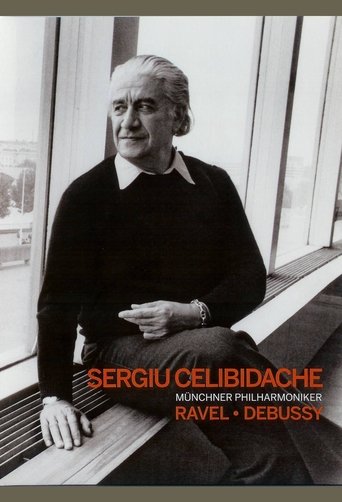
Celibidache: Ravel and Debussy
2008
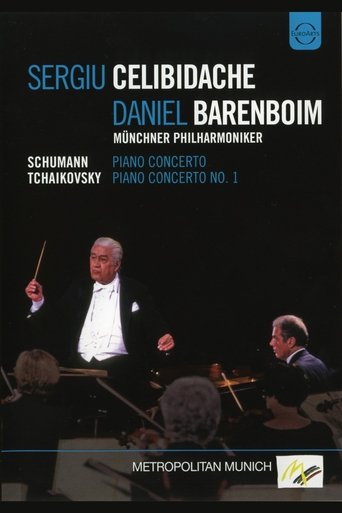
Daniel Barenboim & Sergiu Celibidache: Schumann, Piano Concerto / Tchaikovsky, Piano Concerto No. 1
2011
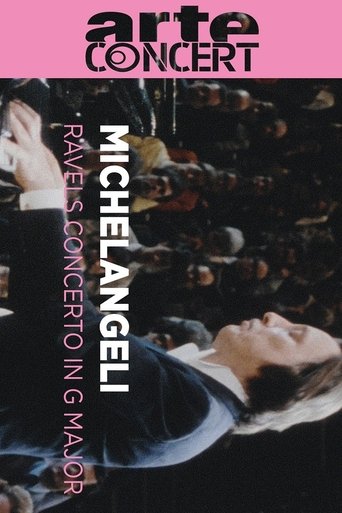
Michelangeli and Celibidache interpret Ravel - Great musical moments
2025
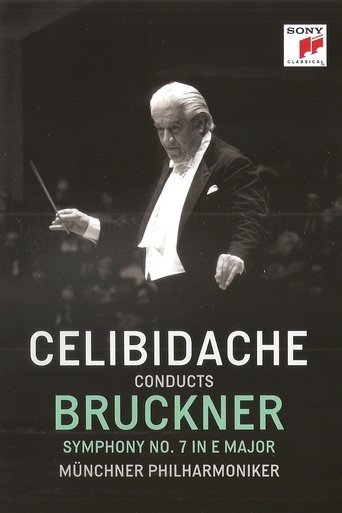
Bruckner - Symphony No. 7 (Sergiu Celibidache, live at the Suntory Hall, Tokyo)
2012
Celibidache: You Don't do Anything, You Let it Evolve
1992
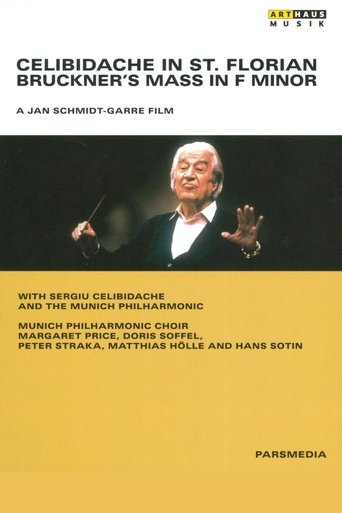
Celibidache in St. Florian - Bruckner's Mass in F minor
2013
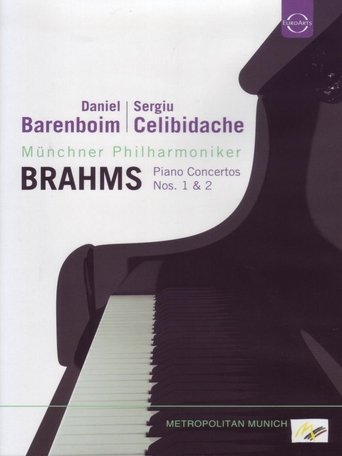
Daniel Barenboim plays Brahms: Piano Concertos
2011
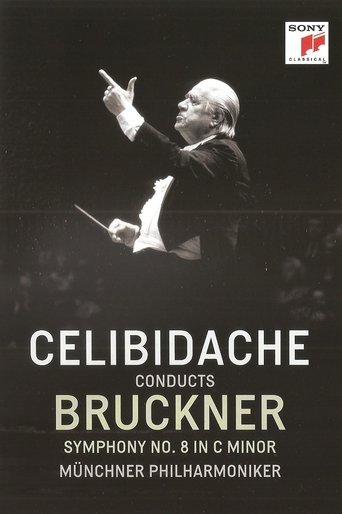
Bruckner - Symphony No. 8 (Version 1890) (Sergiu Celibidache, live at the Suntory Hall, Tokyo)
2012
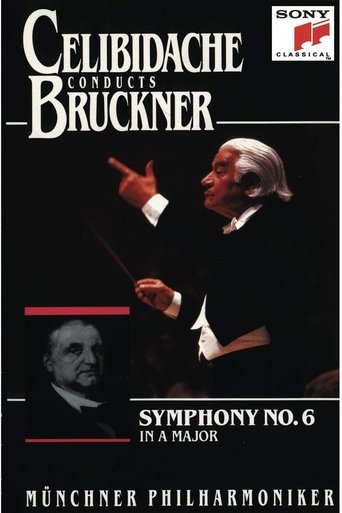
Bruckner - Symphony No. 6 (Sergiu Celibidache, live at Philharmonie am Gasteig, Munich)
2012
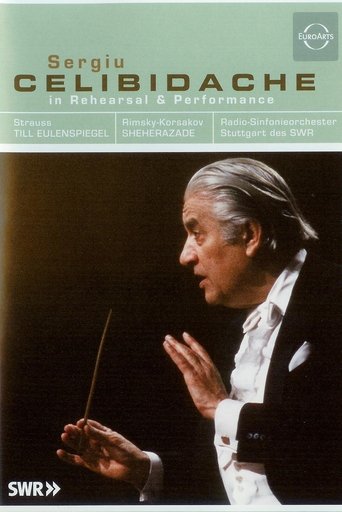
Celibidache in Rehearsal and Performance: Strauss - Til Eulenspiegel / Rimsky-Korsakov - Scheherezade
2007
Celibidache Conducts Mozart: Symphony No. 39 / Schubert: Symphony No. 2
2007
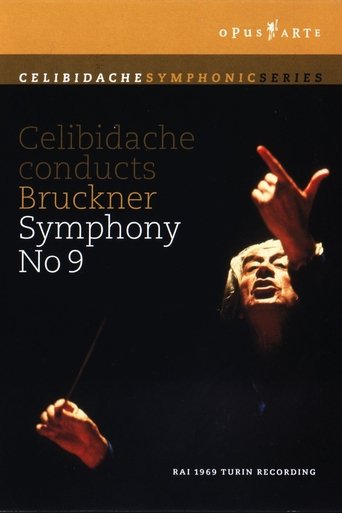
Bruckner: Celibidache conducts Bruckner Symphony No. 9
2007
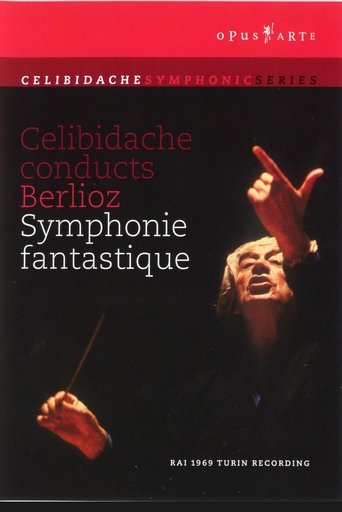
Berlioz: Celibidache conducts Berlioz Symphony Fantastique
2007