8.3
Avg Rating
From Wikipedia, the free encyclopedia
Myrna Loy: So Nice to Come Home To
1990
From Wikipedia, the free encyclopedia
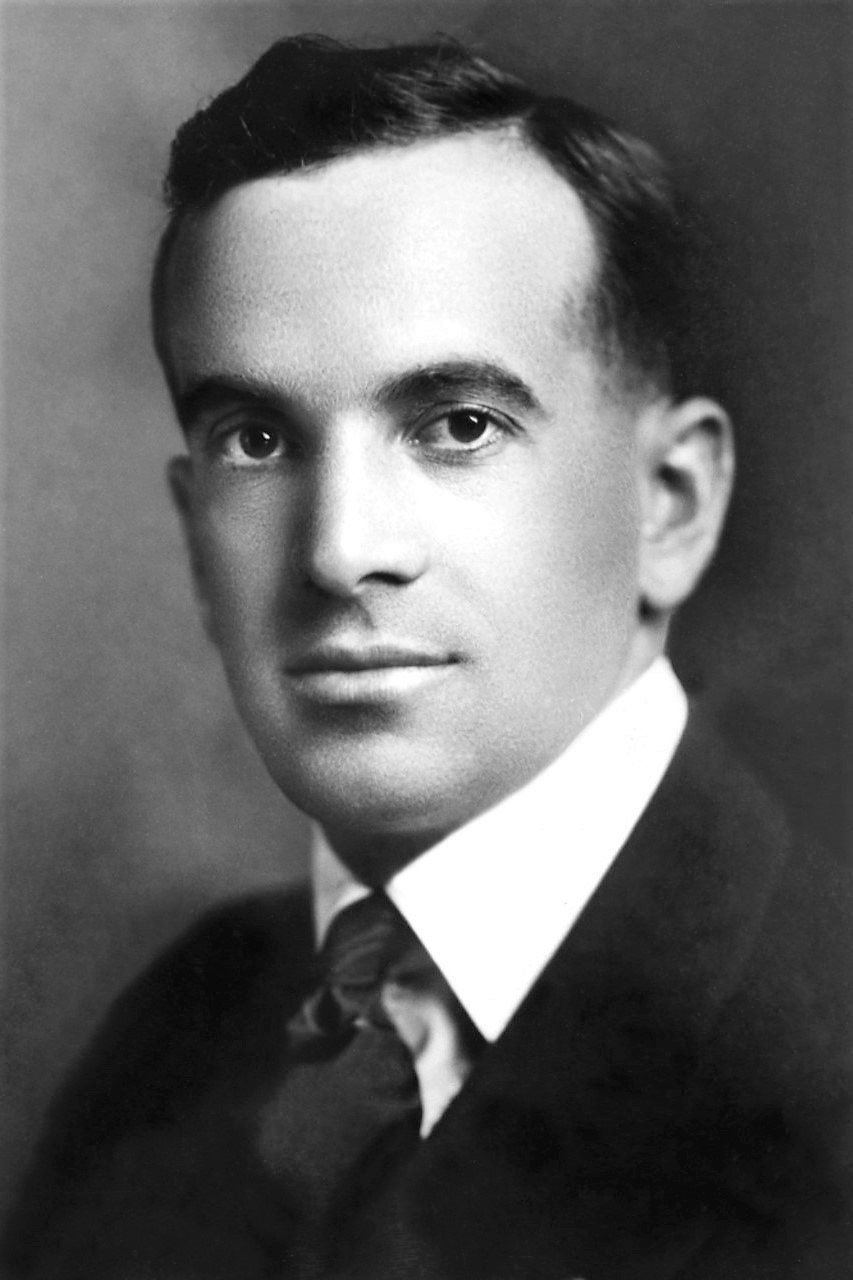
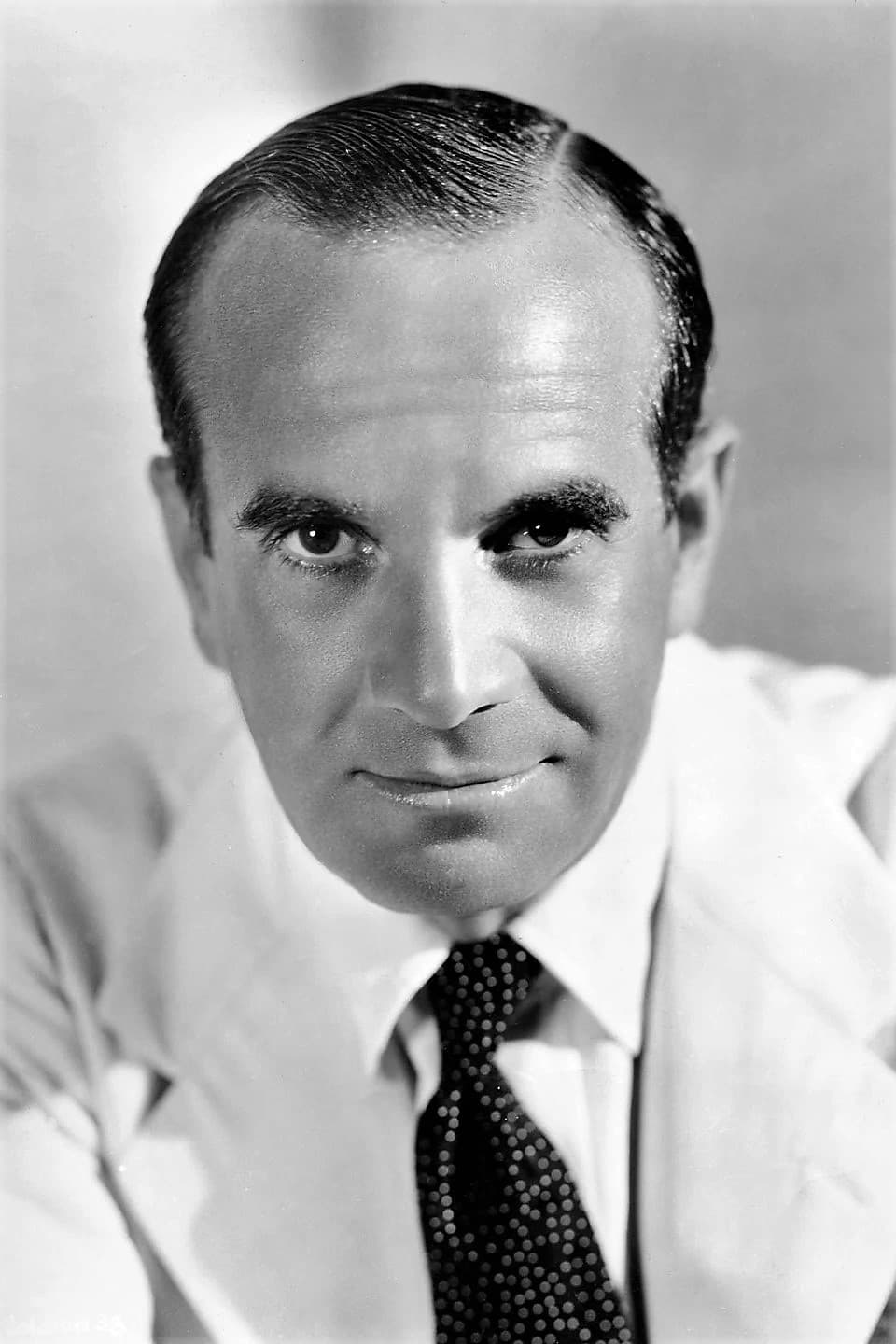
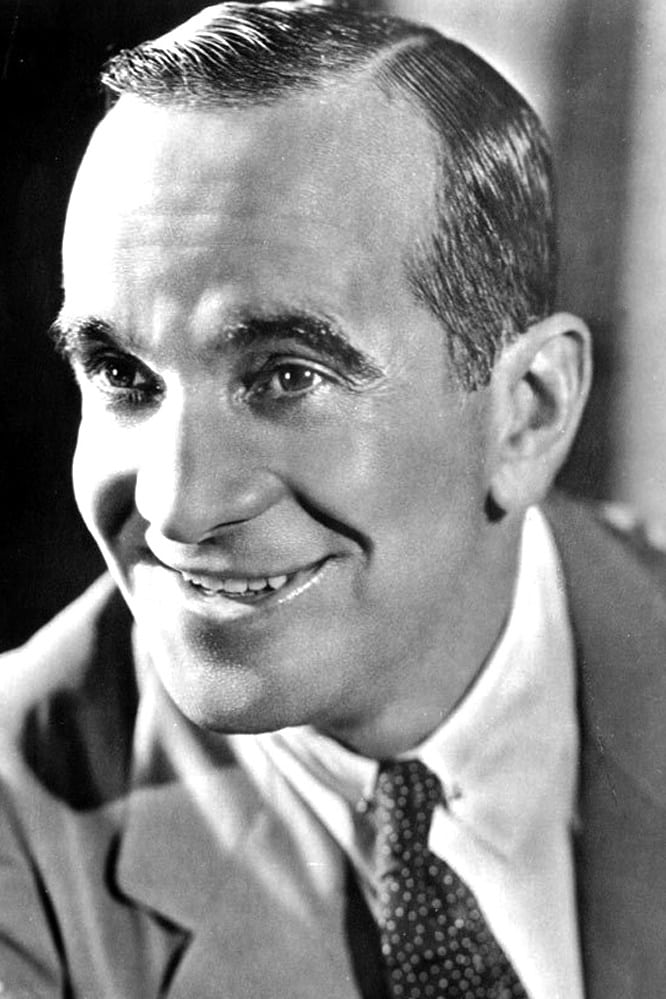
Al Jolson (born Asa Yoelson; May 26, 1886 – October 23, 1950) was a Lithuanian-born American singer, comedian, actor, and vaudevillian. In his heyday, he was dubbed "The World's Greatest Entertainer". He was born in the Russian Empire (the part of which is now in Lithuania) and emigrated to America at the age of five with his Jewish parents.
His performing style was brash and extroverted, and he popularized a large number of songs that benefited from his "shamelessly sentimental, melodramatic approach". Numerous well-known singers were influenced by his music, including Bing Crosby Judy Garland, rock and country entertainer Jerry Lee Lewis, and Bob Dylan, who once referred to him as "somebody whose life I can feel". Broadway critic Gilbert Seldes compared him to "the Great God Pan," claiming that Jolson represented "the concentration of our national health and gaiety."
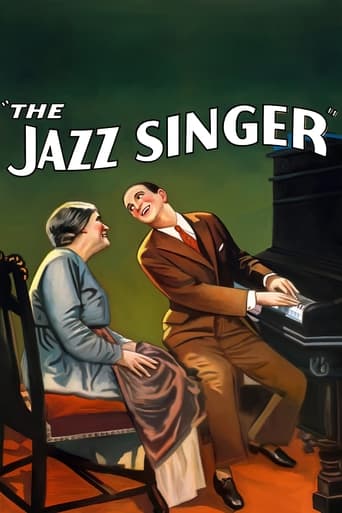
In the 1930s, he was America's most famous and highest paid entertainer. Between 1911 and 1928, Jolson had nine sell-out Winter Garden shows in a row, more than 80 hit records, and 16 national and international tours. Although he's best remembered today as the star in the first (full length) talking movie, The Jazz Singer in 1927, he later starred in a series of successful musical films throughout the 1930s. After a period of inactivity, his stardom returned with the 1946 Oscar-winning biographical film, The Jolson Story. Larry Parks played Jolson with the songs dubbed in with Jolson’s real voice. A sequel, Jolson Sings Again, was released in 1949, and was nominated for three Oscars. After the attack on Pearl Harbor, Jolson became the first star to entertain troops overseas during World War II, and again in 1950 became the first star to perform for G.I.s in Korea, doing 42 shows in 16 days. He died just weeks after returning to the U.S., partly due to the physical exertion of performing. Defense Secretary George Marshall afterward awarded the Medal of Merit to Jolson's family.
He enjoyed performing in blackface makeup – a theatrical convention since the mid-19th century. With his unique and dynamic style of singing black music, like jazz and blues, he was later credited with single-handedly introducing African-American music to white audiences. As early as 1911 he became known for fighting against anti-black discrimination on Broadway. Jolson's well-known theatrics and his promotion of equality on Broadway helped pave the way for many black performers, playwrights, and songwriters, including Cab Calloway, Louis Armstrong, Duke Ellington, Fats Waller, and Ethel Waters.
Description above from the Wikipedia article Al Jolson, licensed under CC-BY-SA, full list of contributors on Wikipedia.
Gender
Male
Birthday
May 26, 1886
Died
October 23, 1950
Birthplace
Sredniki, Kovno Governorate, Russian Empire [now Seredžius, Lithuania]
Also Known As
The Jazz Singer
1927
The Real Charlie Chaplin
2021
Myrna Loy: So Nice to Come Home To
1990
Show Girl in Hollywood
1930
Rose of Washington Square
1939
Rhapsody in Blue
1945
Going Hollywood: The '30s
1984
Wonder Bar
1934
Brother, Can You Spare a Dime?
1975
Hollywood Cavalcade
1939
Swanee River
1939
Take It or Leave It
1944
Showbiz Goes to War
1982
Show-Business at War
1943
Go Into Your Dance
1935
Gene Kelly - An American in Hollywood
2025
The Legend of Rudolph Valentino
1961
The Dawn of Sound: How Movies Learned to Talk
2007
A Day at Santa Anita
1937
The Jolson Story
1946
+ 24 more movies