77
Age
15
Movies
3
TV Shows
6.7
Rating
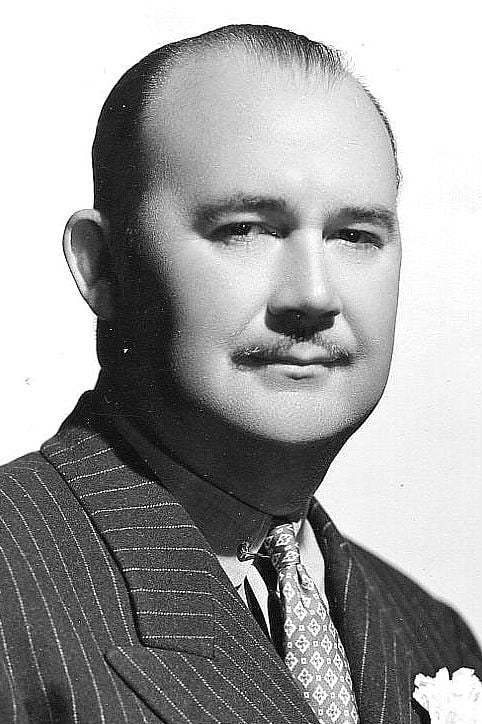
Paul Whiteman began his musical career as a viola player for the San Francisco Symphony. He enlisted in the Navy during World War I, and his musical abilities resulted in the Navy putting him in charge of his own band. After the war he moved to New York in 1920, where he recorded his first hit, Whispering/The Japanese Sandman. It sold more than two million copies, making Whiteman was an instant star. In 1924 he introduced the George Gershwin classic Rhapsody in Blue, which became the band's signature song. Whiteman had the foresight to hire some of the best jazz musicians of the era, including Red Nichols, Frankie Trumbauer, Tommy Dorsey and Bix Beiderbecke. Bing Crosby got his start with Whiteman in 1929, in a trio called the Rhythm Boys. Whiteman's band continued its run into the 1930s, but toward the end of the decade their popularity began to wane, and in the early 1940s Whiteman took a job as musical director for the American Broadcasting Co., a position he kept into the '60s. He would put together his band every so often during that period, and in the early 1960s they even managed to secure engagements in Las Vegas, after which Whiteman retired.
77
Died at
15
Movies
3
TV Shows
6.7
Avg Rating
Paul Whiteman began his musical career as a viola player for the San Francisco Symphony. He enlisted in the Navy during World War I, and his musical abilities resulted in the Navy putting him in charge of his own band. After the war he moved to New York in 1920, where he recorded his first hit, Whispering/The Japanese Sandman. It sold more than two million copies, making Whiteman was an instant star. In 1924 he introduced the George Gershwin classic Rhapsody in Blue, which became the band's signature song. Whiteman had the foresight to hire some of the best jazz musicians of the era, including Red Nichols, Frankie Trumbauer, Tommy Dorsey and Bix Beiderbecke. Bing Crosby got his start with Whiteman in 1929, in a trio called the Rhythm Boys. Whiteman's band continued its run into the 1930s, but toward the end of the decade their popularity began to wane, and in the early 1940s Whiteman took a job as musical director for the American Broadcasting Co., a position he kept into the '60s. He would put together his band every so often during that period, and in the early 1960s they even managed to secure engagements in Las Vegas, after which Whiteman retired.
1945
Paul Whiteman began his musical career as a viola player for the San Francisco Symphony. He enlisted in the Navy during World War I, and his musical abilities resulted in the Navy putting him in charge of his own band. After the war he moved to New York in 1920, where he recorded his first hit, Whispering/The Japanese Sandman. It sold more than two million copies, making Whiteman was an instant star. In 1924 he introduced the George Gershwin classic Rhapsody in Blue, which became the band's signature song. Whiteman had the foresight to hire some of the best jazz musicians of the era, including Red Nichols, Frankie Trumbauer, Tommy Dorsey and Bix Beiderbecke. Bing Crosby got his start with Whiteman in 1929, in a trio called the Rhythm Boys. Whiteman's band continued its run into the 1930s, but toward the end of the decade their popularity began to wane, and in the early 1940s Whiteman took a job as musical director for the American Broadcasting Co., a position he kept into the '60s. He would put together his band every so often during that period, and in the early 1960s they even managed to secure engagements in Las Vegas, after which Whiteman retired.
Date of Birth 28 March 1890, Denver, Colorado, USA
Date of Death 29 December 1967, Doylestown, Pennsylvania, USA (heart attack)
Gender
Male
Birthday
March 28, 1890
Died
December 29, 1967
Also Known As
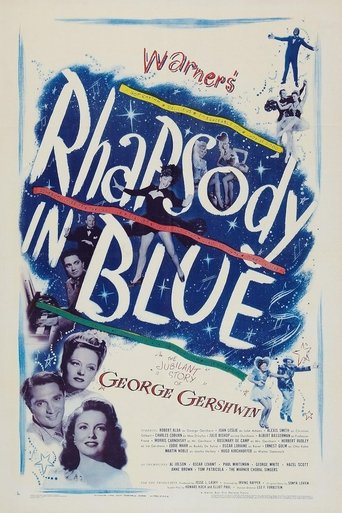
Rhapsody in Blue
1945
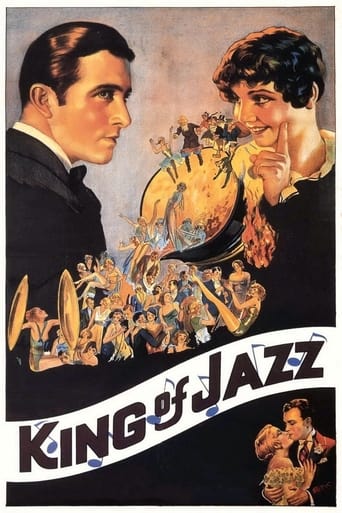
King of Jazz
1930
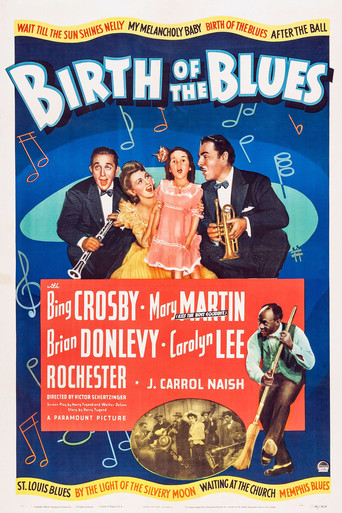
Birth of the Blues
1941
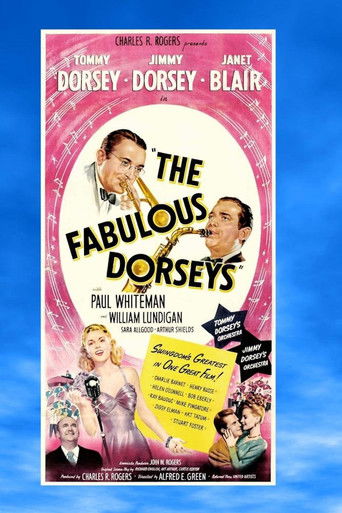
The Fabulous Dorseys
1947
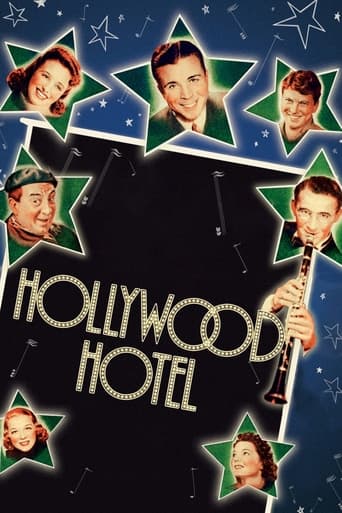
Hollywood Hotel
1938
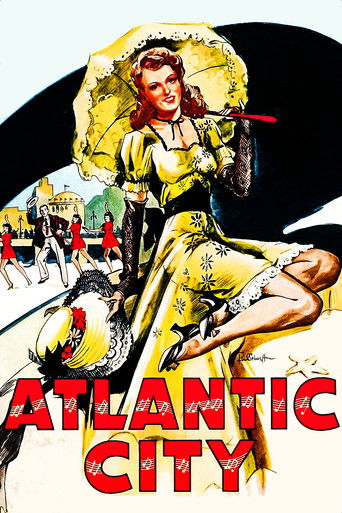
Atlantic City
1944
Strike Up the Band
1940
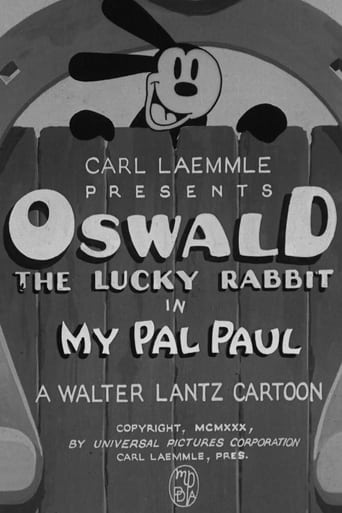
My Pal Paul
1930
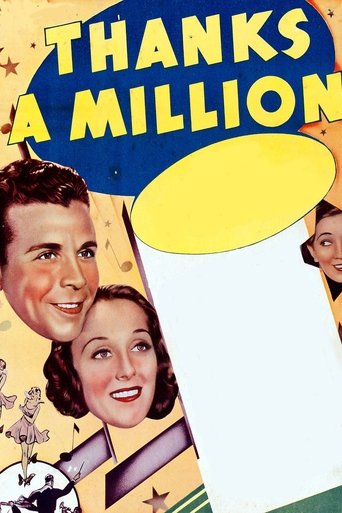
Thanks a Million
1935
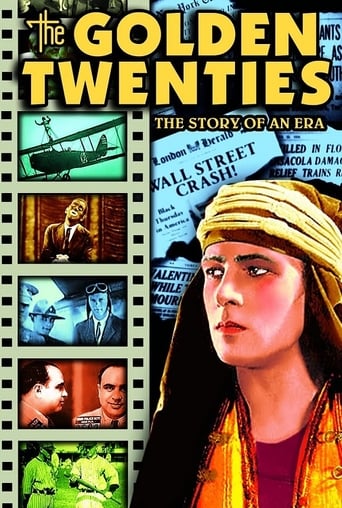
The Golden Twenties
1950
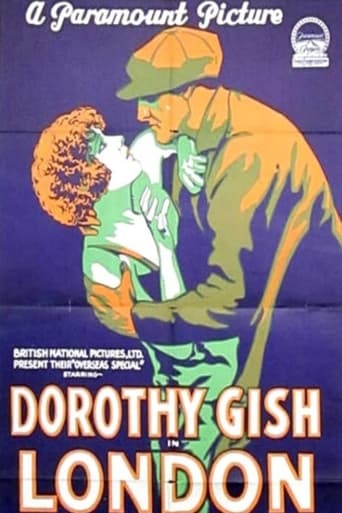
London
1927
Broadway Gossip No.2
1932
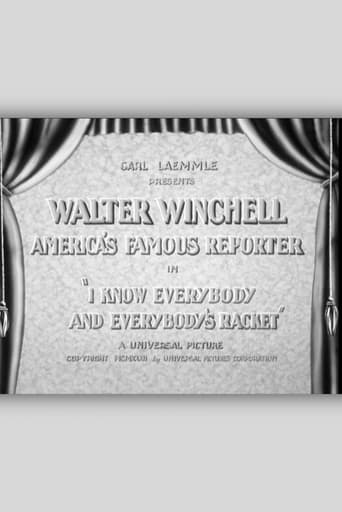
I Know Everybody and Everybody's Racket
1933
The Voice of Hollywood No. 3
1930
The Lambertville Story
1949