83
Age
73
Movies
18
TV Shows
8.0
Rating
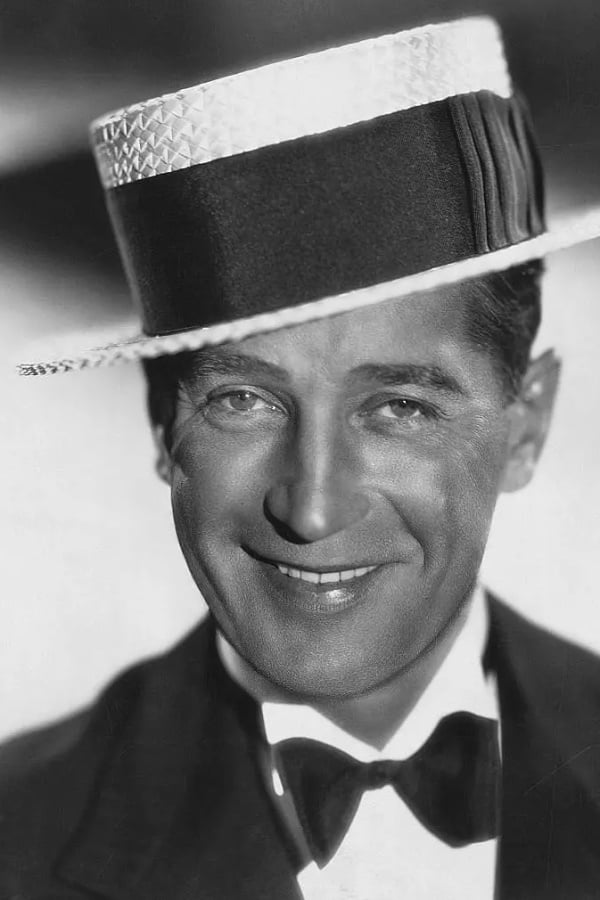
Maurice Auguste Chevalier (September 12, 1888 – January 1, 1972) was a French actor, cabaret singer and entertainer. He is perhaps best known for his signature songs, including "Livin' In The Sunlight", "Valentine", "Louise", "Mimi", and "Thank Heaven for Little Girls" and for his films, including The Love Parade, The Big Pond, The Smiling Lieutenant, One Hour with You and Love Me Tonight. His trademark attire was a boater hat and tuxedo.
83
Died at
73
Movies
18
TV Shows
8.0
Avg Rating
Maurice Auguste Chevalier (September 12, 1888 – January 1, 1972) was a French actor, cabaret singer and entertainer. He is perhaps best known for his signature songs, including "Livin' In The Sunlight", "Valentine", "Louise", "Mimi", and "Thank Heaven for Little Girls" and for his films, including The Love Parade, The Big Pond, The Smiling Lieutenant, One Hour with You and Love Me Tonight. His trademark attire was a boater hat and tuxedo.
What's My Line?
1950
Maurice Auguste Chevalier (September 12, 1888 – January 1, 1972) was a French actor, cabaret singer and entertainer. He is perhaps best known for his signature songs, including "Livin' In The Sunlight", "Valentine", "Louise", "Mimi", and "Thank Heaven for Little Girls" and for his films, including The Love Parade, The Big Pond, The Smiling Lieutenant, One Hour with You and Love Me Tonight. His trademark attire was a boater hat and tuxedo.
Chevalier was born in Paris. He made his name as a star of musical comedy, appearing in public as a singer and dancer at an early age before working in menial jobs as a teenager. In 1909, he became the partner of the biggest female star in France at the time, Fréhel. Although their relationship was brief, she secured him his first major engagement, as a mimic and a singer in l'Alcazar in Marseille, for which he received critical acclaim by French theatre critics. In 1917, he discovered jazz and ragtime and went to London, where he found new success at the Palace Theatre.
After this, he toured the United States, where he met the American composers George Gershwin and Irving Berlin and brought the operetta Dédé to Broadway in 1922. He developed an interest in acting and had success in Dédé. When talkies arrived, he went to Hollywood in 1928, where he played his first American role in Innocents of Paris. In 1930, he was nominated for the Academy Award for Best Actor for his roles in The Love Parade (1929) and The Big Pond (1930), which secured his first big American hits, "You Brought a New Kind of Love to Me" and "Livin' in the Sunlight, Lovin' in the Moonlight".
In 1957, he appeared in Love in the Afternoon, which was his first Hollywood film in more than 20 years. In 1958, he starred with Leslie Caron and Louis Jourdan in Gigi. In the early 1960s, he made eight films, including Can-Can in 1960 and Fanny the following year. In 1970, he made his final contribution to the film industry where he sang the title song of the Disney film The Aristocats.
Description above from the Wikipedia article Maurice Chevalier, licensed under CC-BY-SA, full list of contributors on Wikipedia.
Gender
Male
Birthday
September 12, 1888
Died
January 1, 1972
Birthplace
Paris, France
Also Known As
Hollywood on Parade No. A-5
1932
Fanny
1961
Chita Rivera: A Lot Of Livin' To Do
2015
Hooray for Hollywood
1976
You're the Top: The Cole Porter Story
1990
Panic Button
1964
Can-Can
1960
A Breath of Scandal
1960
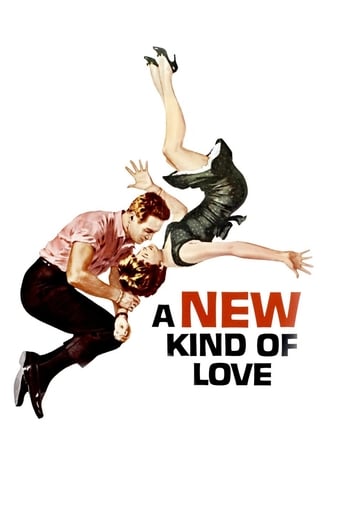
A New Kind of Love
1963
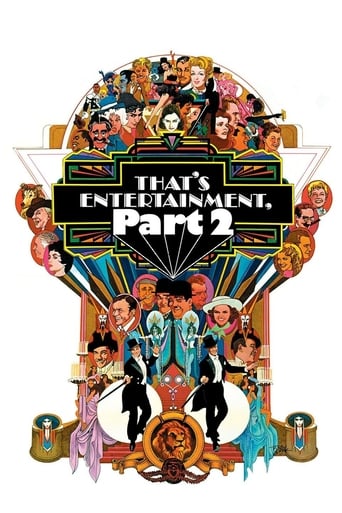
That's Entertainment, Part II
1976
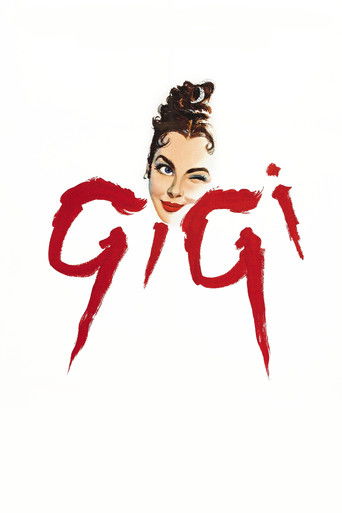
Gigi
1958
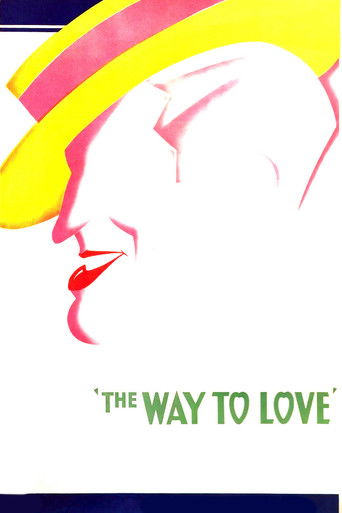
The Way to Love
1933
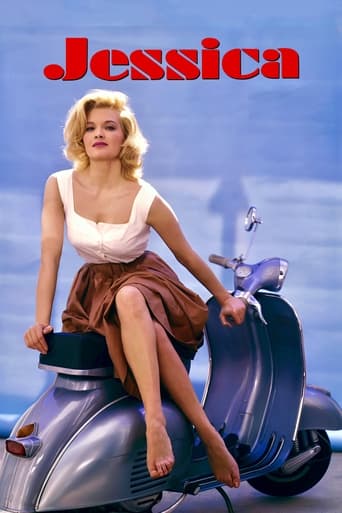
Jessica
1962
Silence Is Golden
1947
The Broadway of Lerner and Loewe
1962
Pepe
1960
The House That Shadows Built
1931
Complicated Women
2003
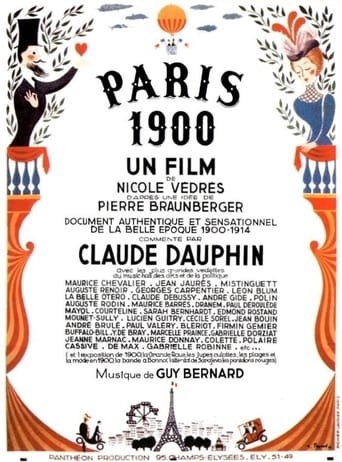
Paris 1900
1948
The Merry Widow
1934
+ 53 more movies
The Dick Cavett Show
1968
What's My Line?
1950
The Merv Griffin Show
1962
The Oscars
1953
The Dinah Shore Chevy Show
1956
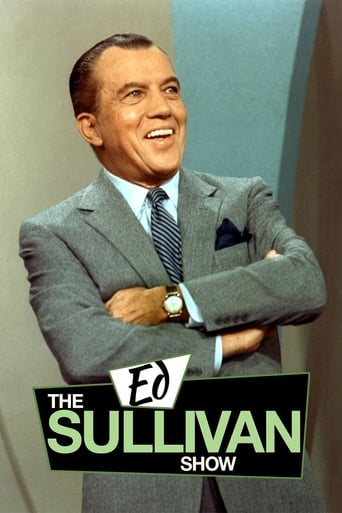
The Ed Sullivan Show
1948
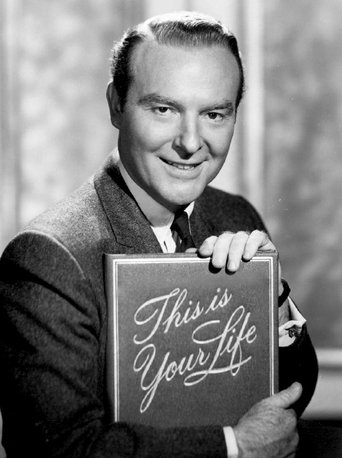
This Is Your Life
1952
Cinépanorama
1956
La Chance aux chansons
1984
The Sorrow and the Pity
1969
Westinghouse Desilu Playhouse
1958
Der Sport-Spiegel
1963
Système 2
1975
ABC Stage 67
1966
The Lucy–Desi Comedy Hour
1957
Cadet Rousselle
1971
The Century of Icons
2022
Max Liebman Presents
1954