User Score
0 votes
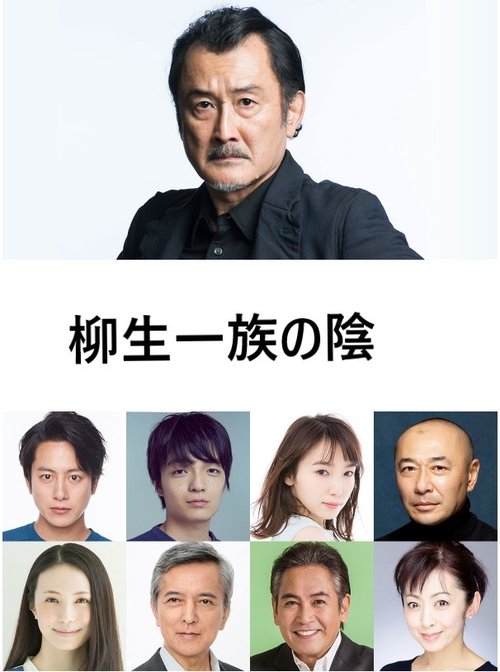
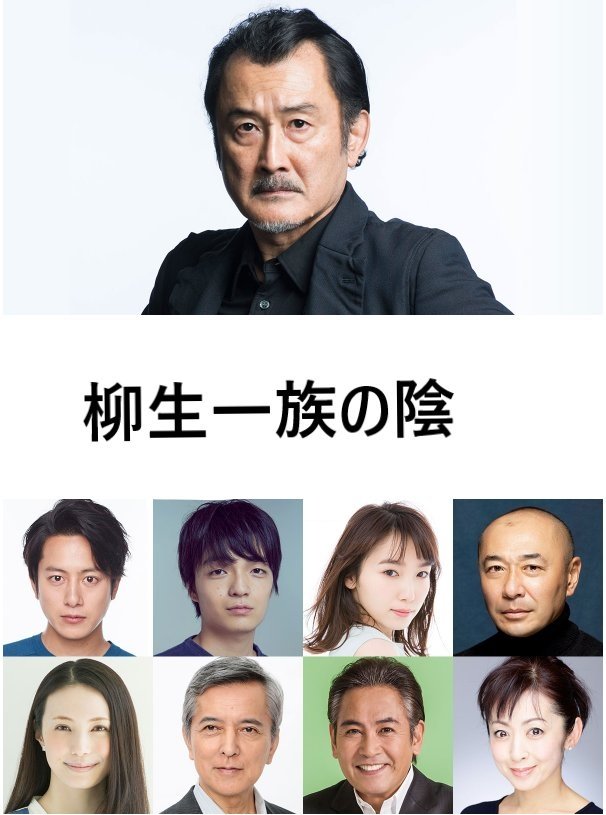
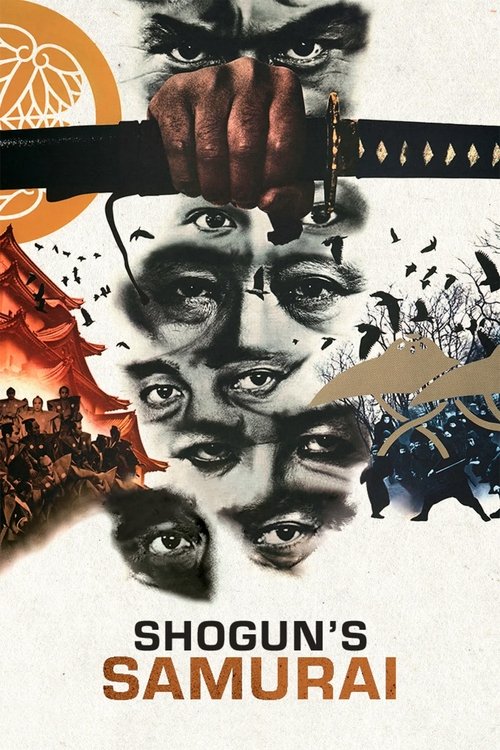
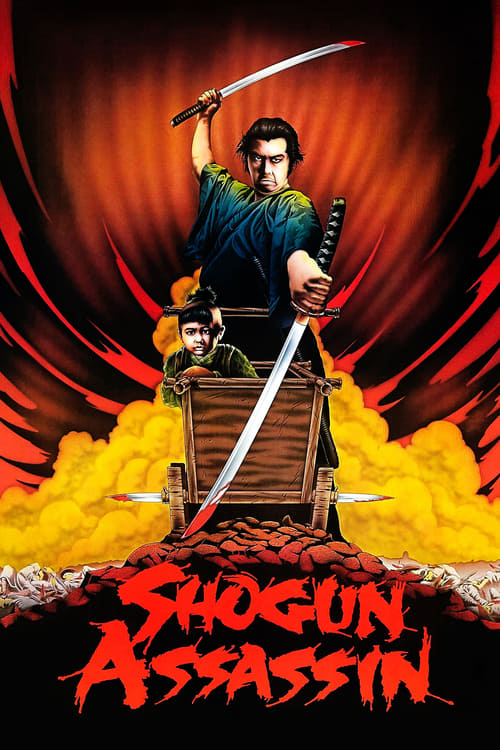
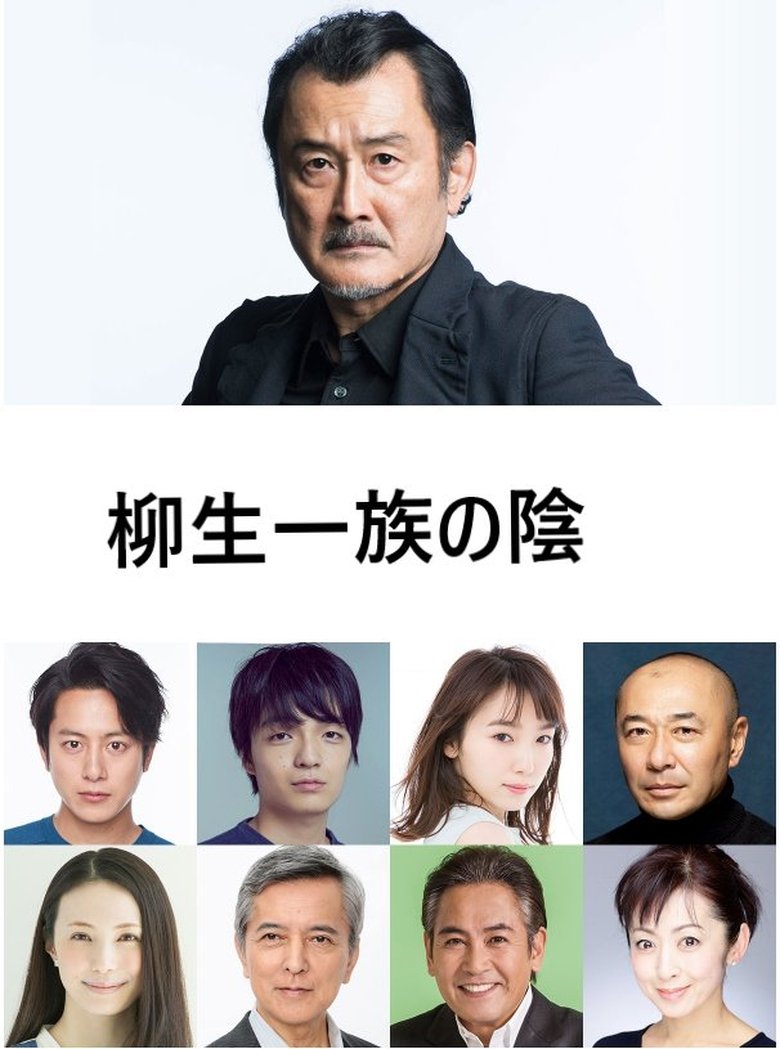
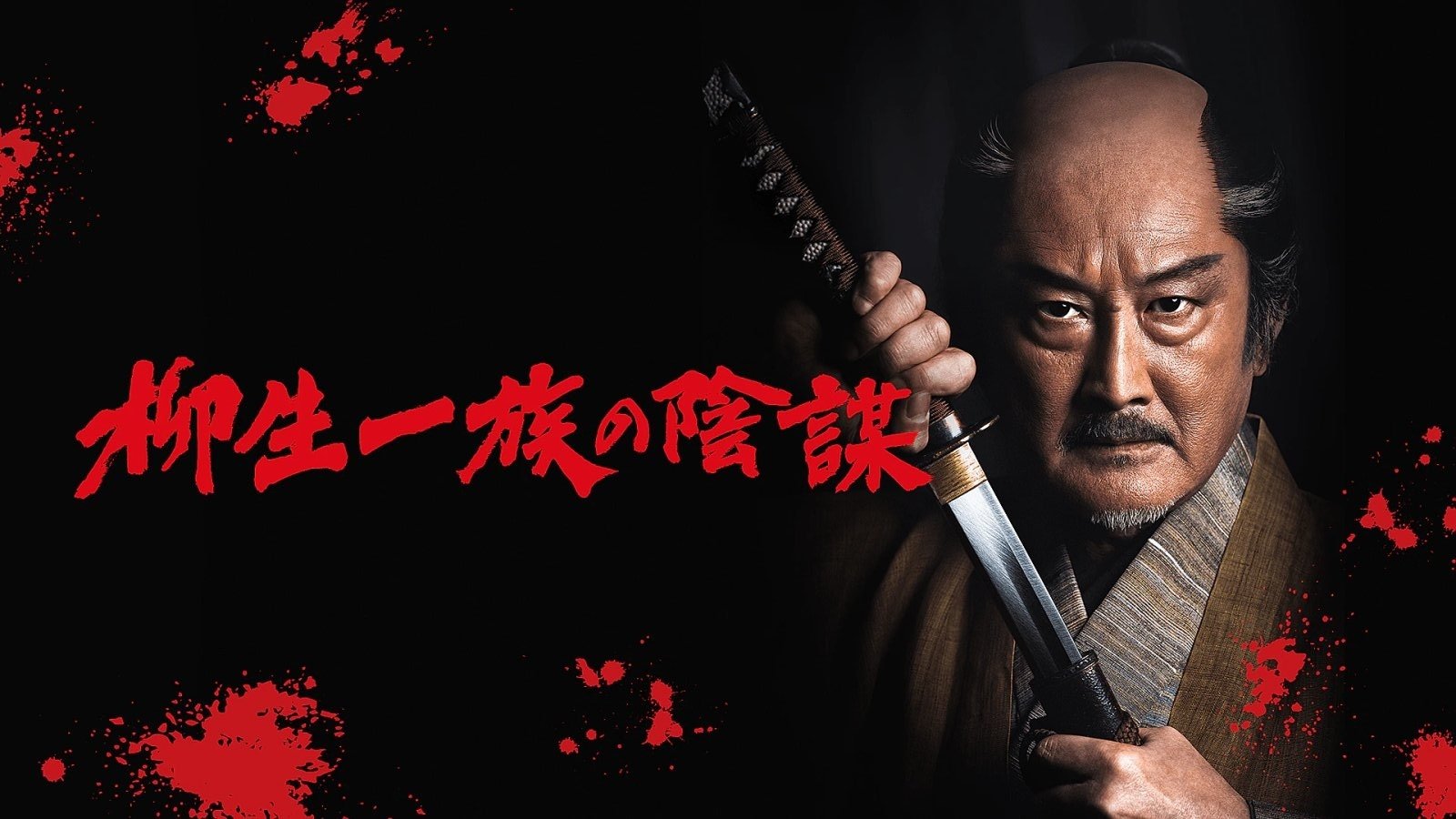
Hidetada Tokugawa died suddenly and the death of the Shogun upset the Tokugawa system, and was concealed by a part of the Oku-cho. To top it off, Hidetada's successor had not yet been determined. Originally, there should be no objection that the legitimate son, Iemitsu, succeeds as the third shogun. But a gap was beginning to grow between the Tokugawa Shogunate andToshikatsu Doi. Doi, who scrutinizes the cause of the general's death, stealthily examines Hidetada's stomach, but is suddenly caught by someone who appears. It was nne other than Shogun Yasunari, a shogun swordsman. His autopsy reveals that Hidetada's death was due to arsenic.
Screenplay
Status
Released
Original Language
JA

Okuni
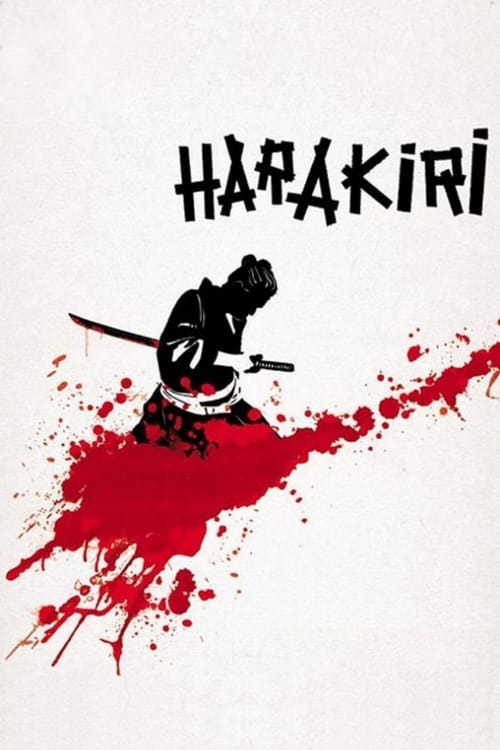
Down-on-his-luck veteran Tsugumo Hanshirō enters the courtyard of the prosperous House of Iyi. Unemployed, and with no family, he hopes to find a place to commit seppuku—and a worthy second to deliver the coup de grâce in his suicide ritual. The senior counselor for the Iyi clan questions the ronin’s resolve and integrity, suspecting Hanshirō of seeking charity rather than an honorable end. What follows is a pair of interlocking stories which lay bare the difference between honor and respect, and promises to examine the legendary foundations of the Samurai code.