
User Score
1 votes
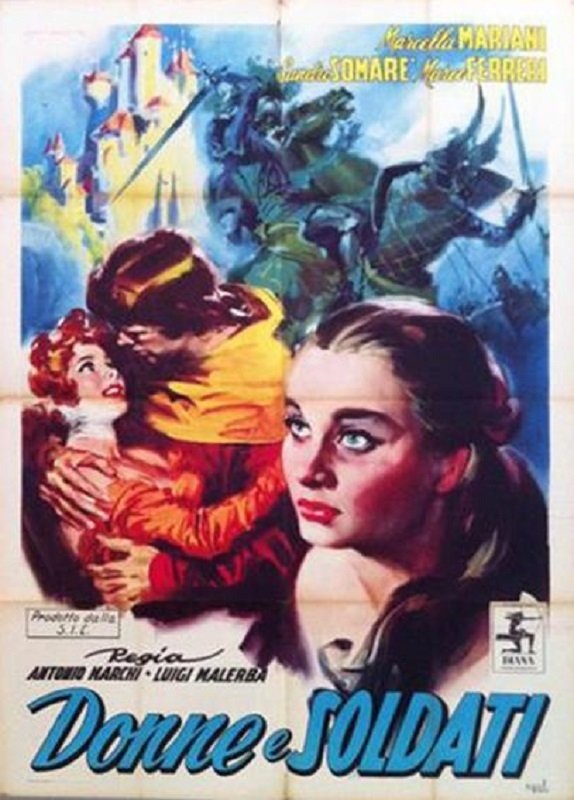
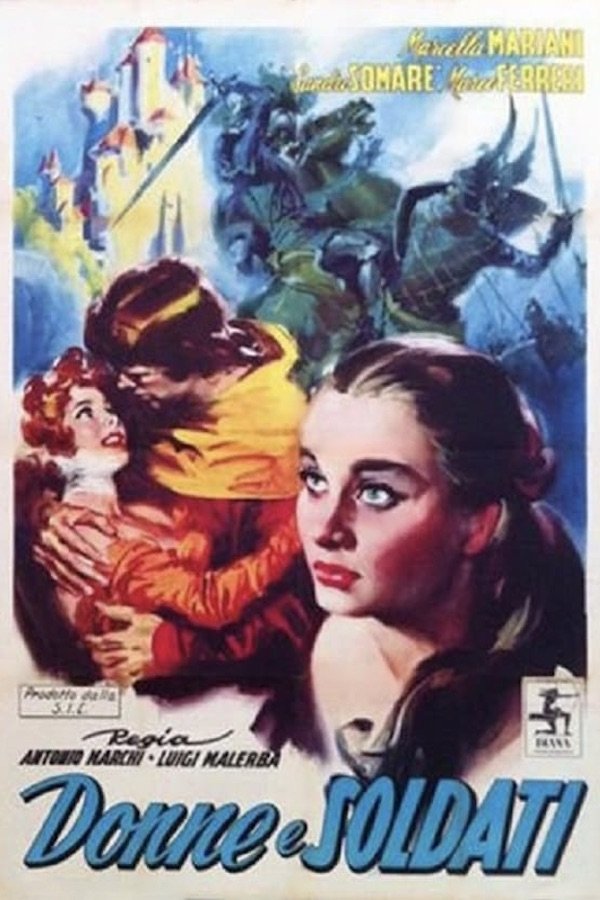
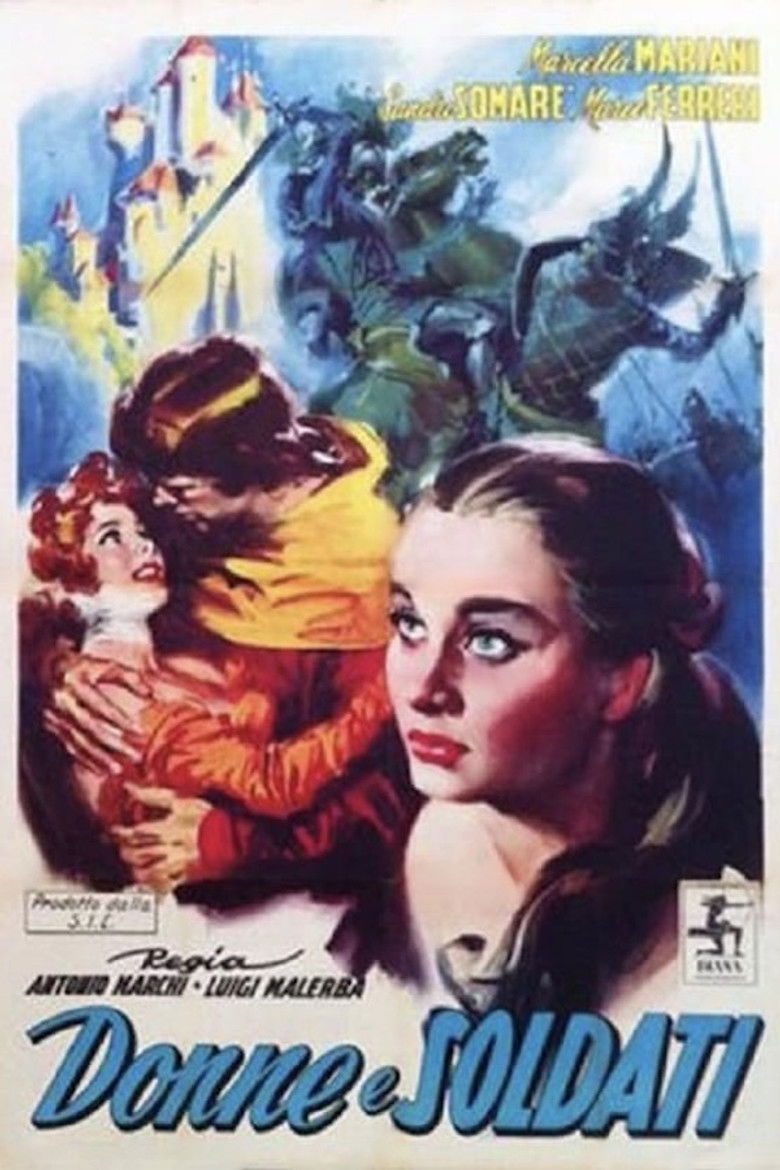
Donne e soldati was an example of a ‘decentralised’ production, far from Rome, something that for the most part Italian cinema didn’t fully succeed in achieving until the 1990s. . In many ways the film, which is both Picaresque and anti-heroic, was too far ahead of its time, and it is often considered the precursor to Monicelli’s L’armata brancaleone. This time out, Ferreri takes the reins as producer of the ill-fated undertaking (the two directors will never make another film); however, Donne e soldati, apart from marking Ferreri’s estrangement from Italian cinema for a number of years, today appears to display earthy and carnivalesque elements that will subsequently influence certain aspects of the Milanese director’s vision.
Director
Director
Writer
Writer
Writer
Status
Released
Original Language
IT
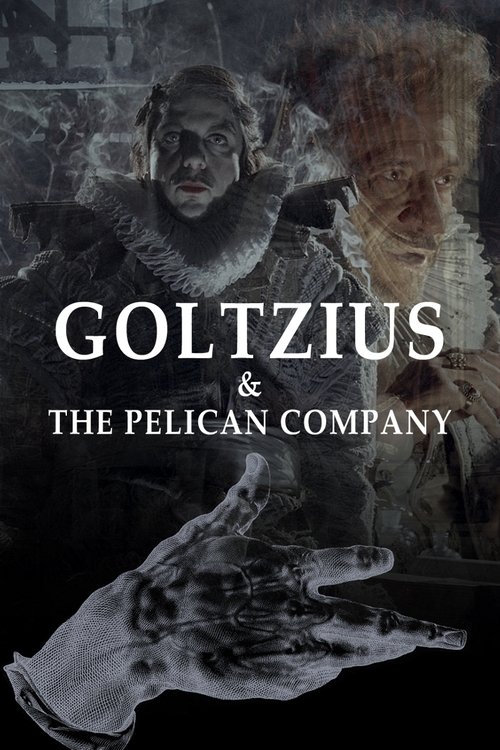
Goltzius and the Pelican Company tells the story of Hendrik Goltzius, a late 16th century Dutch printer and engraver of erotic prints. A contemporary of Rembrandt and, indeed, more celebrated during his life, Goltzius seduces the Margrave of Alsace into paying for a printing press to make and publish illustrated books. In return, he promises him an extraordinary book of pictures of illustrating the Old Testament’s biblical stories. Erotic tales of Lot and his daughters, David and Bathsheba, Samson and Deliah and John the Baptist and Salome. To tempt the Margrave further, Goltzius and his printing company will offer to perform dramatisations of these erotic stories for his court.