User Score
0 votes
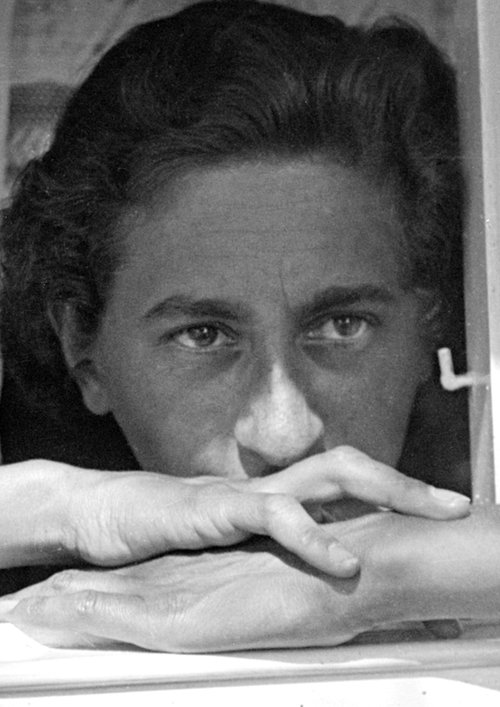
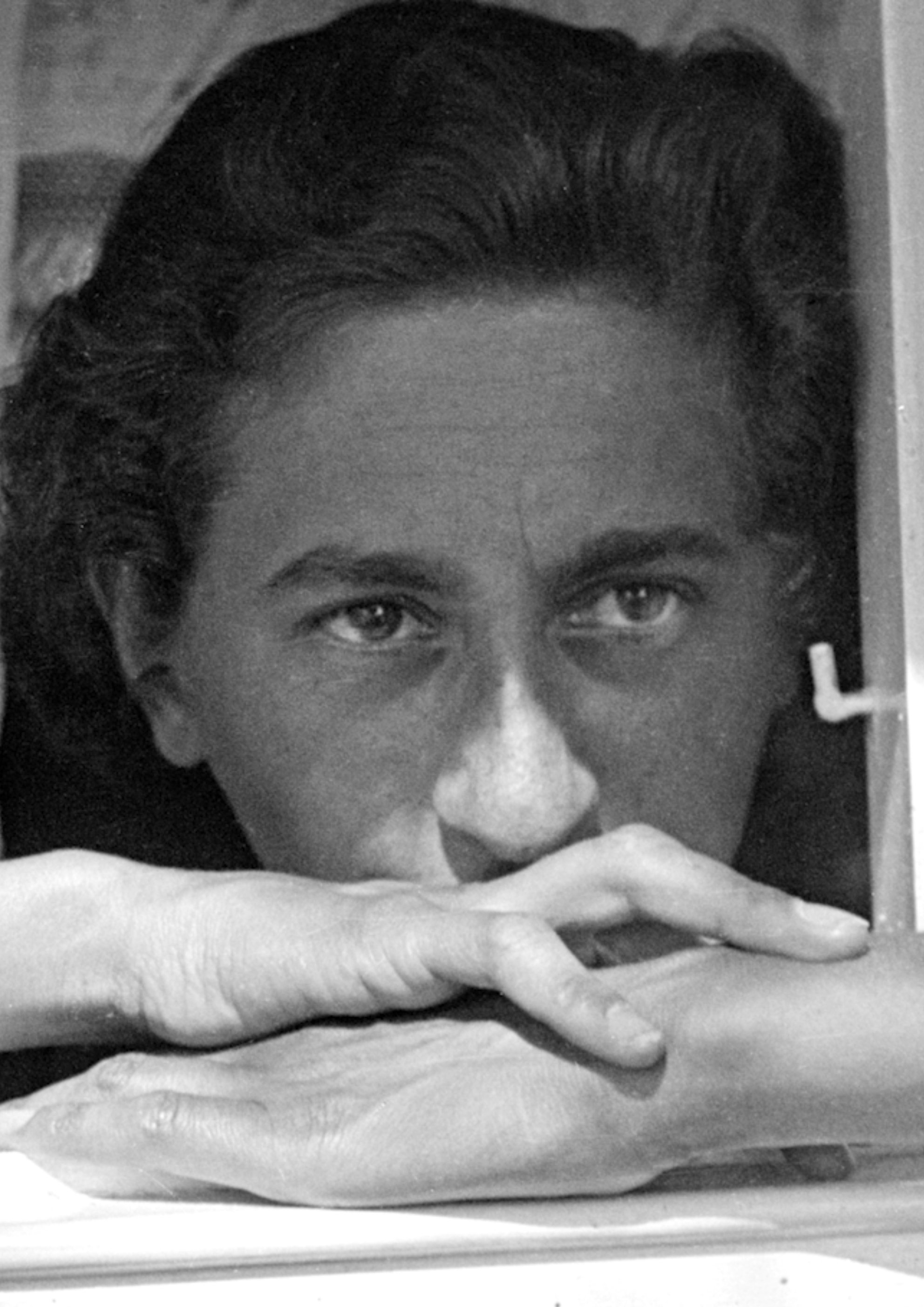
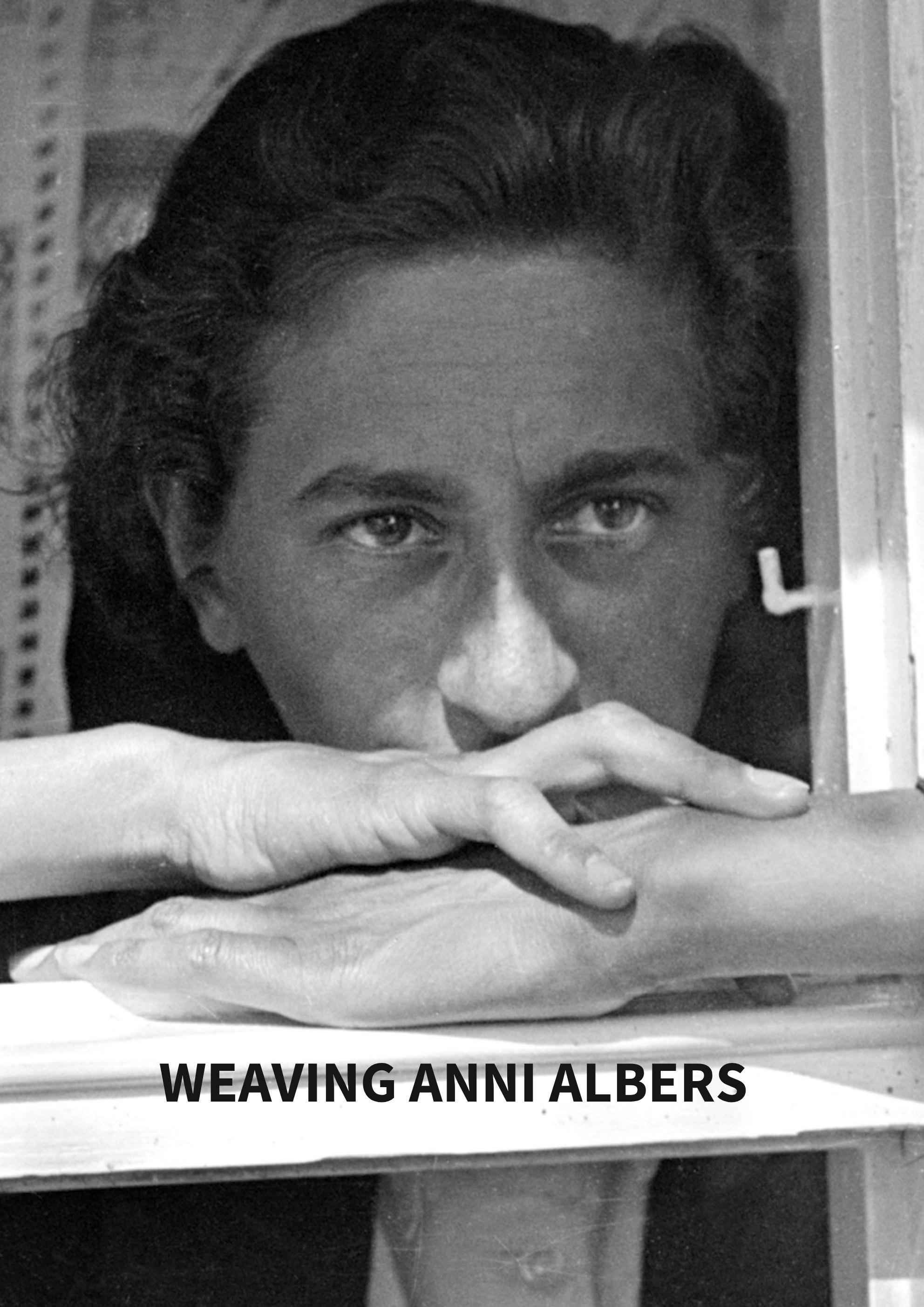
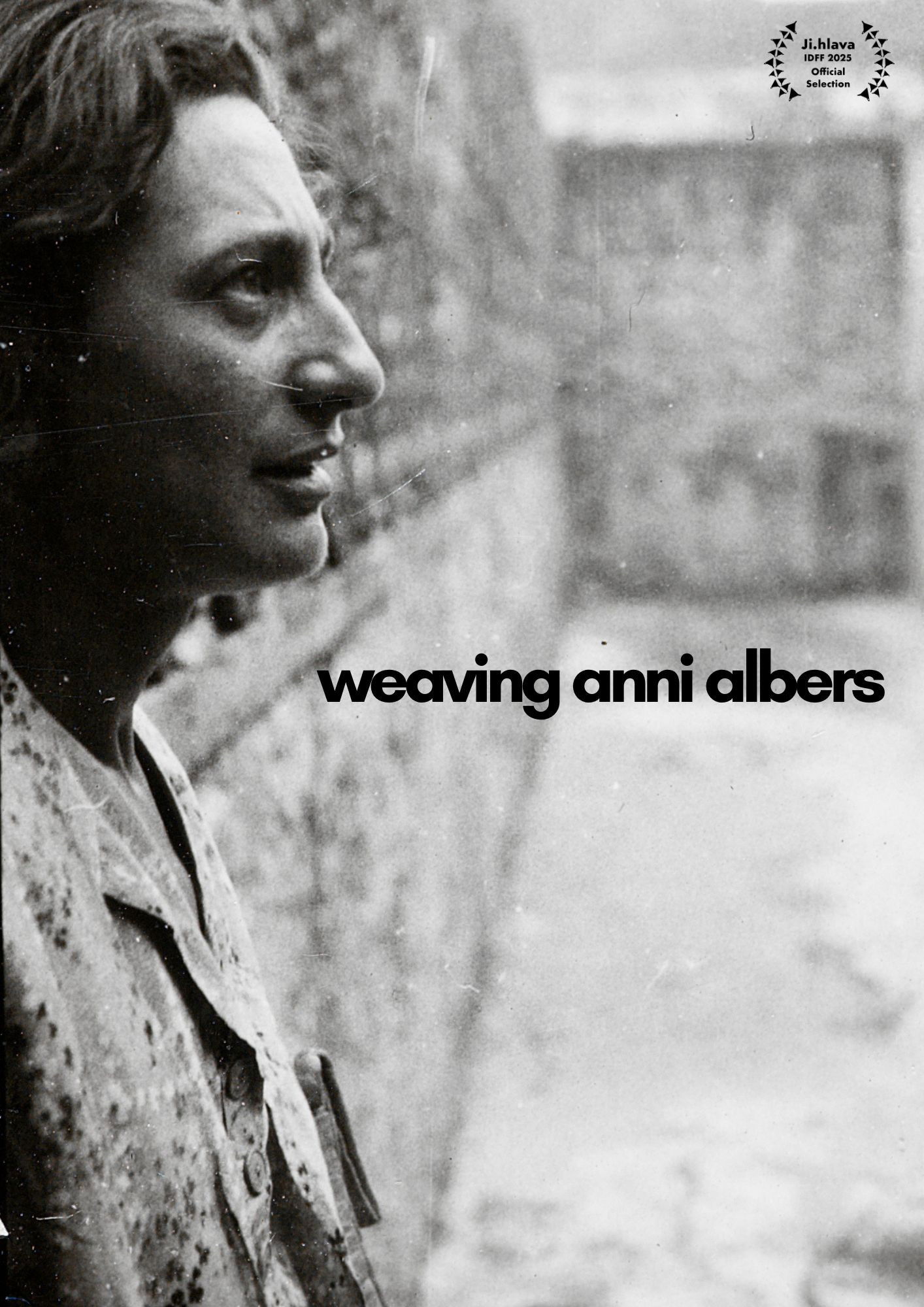
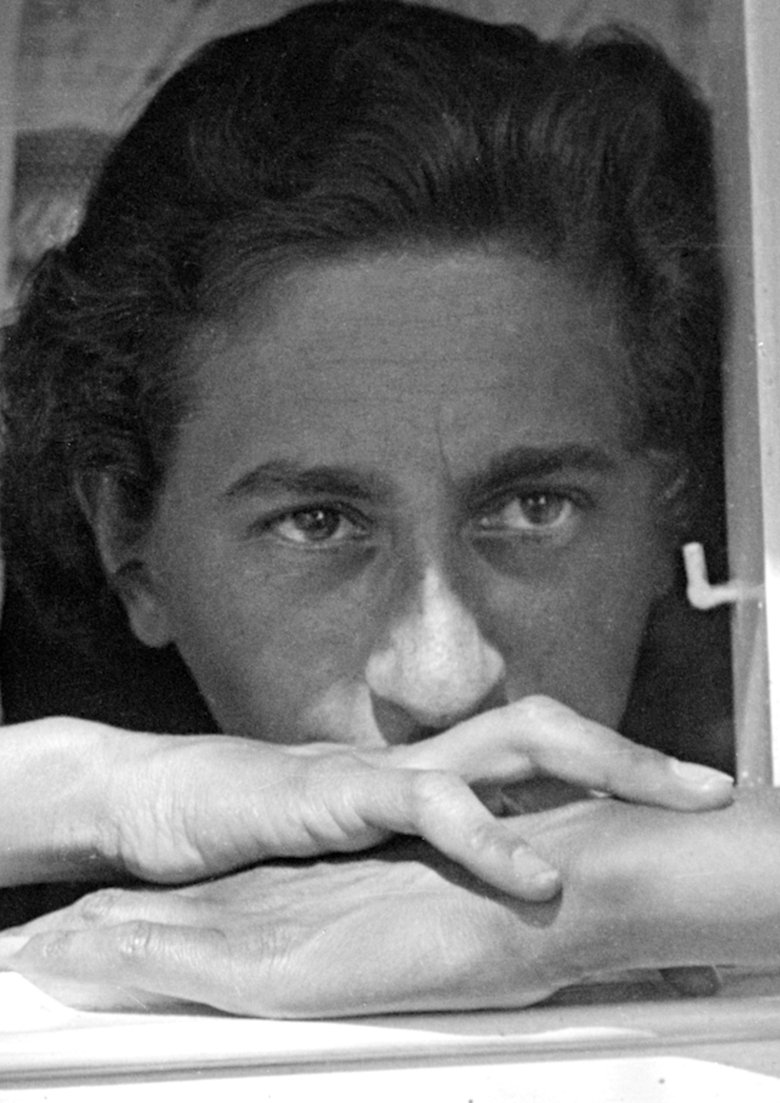
Anni Albers was a prominent member of the interwar Bauhaus art movement in Germany. After Hitler came to power, she left her native country and devoted herself to her work with unwavering passion in the USA. Weaving textile patterns was more than just an aesthetic activity for her; she saw the intertwining of threads as a tangible projection of the very fabric of reality.
Director
Writer
Status
Released
Original Language
EN
When Allied forces liberated the Nazi concentration camps in 1944-45, their terrible discoveries were recorded by army and newsreel cameramen, revealing for the first time the full horror of what had happened. Making use of British, Soviet and American footage, the Ministry of Information’s Sidney Bernstein (later founder of Granada Television) aimed to create a documentary that would provide lasting, undeniable evidence of the Nazis’ unspeakable crimes. He commissioned a wealth of British talent, including editor Stewart McAllister, writer and future cabinet minister Richard Crossman – and, as treatment advisor, his friend Alfred Hitchcock. Yet, despite initial support from the British and US Governments, the film was shelved, and only now, 70 years on, has it been restored and completed by Imperial War Museums under its original title "German Concentration Camps Factual Survey".