
User Score
1 votes
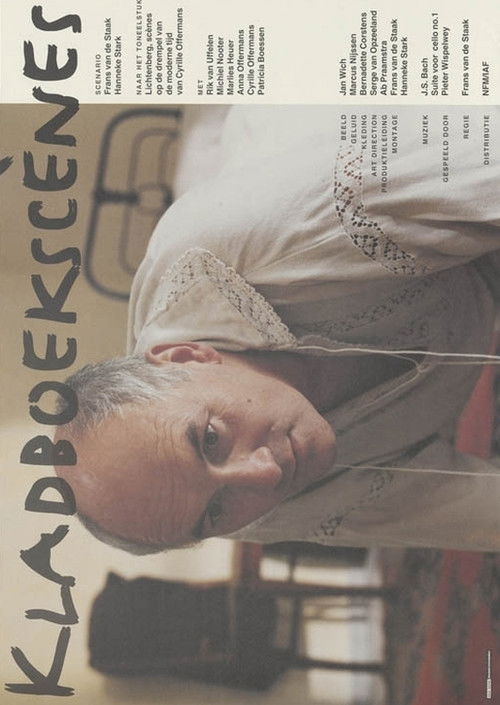
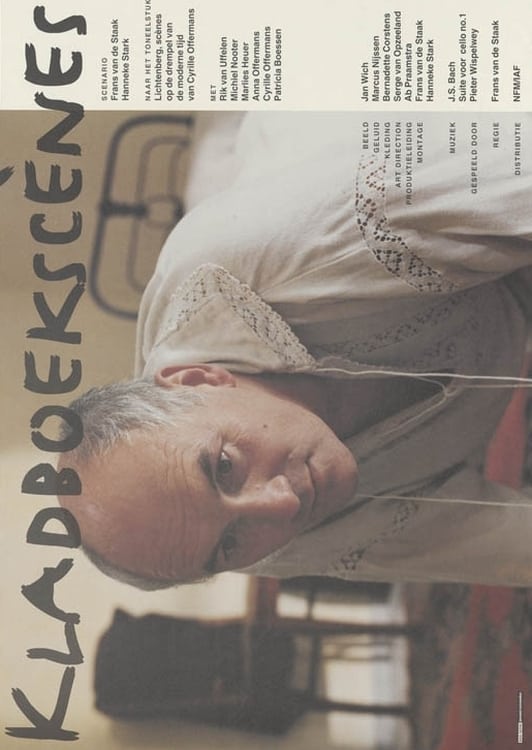
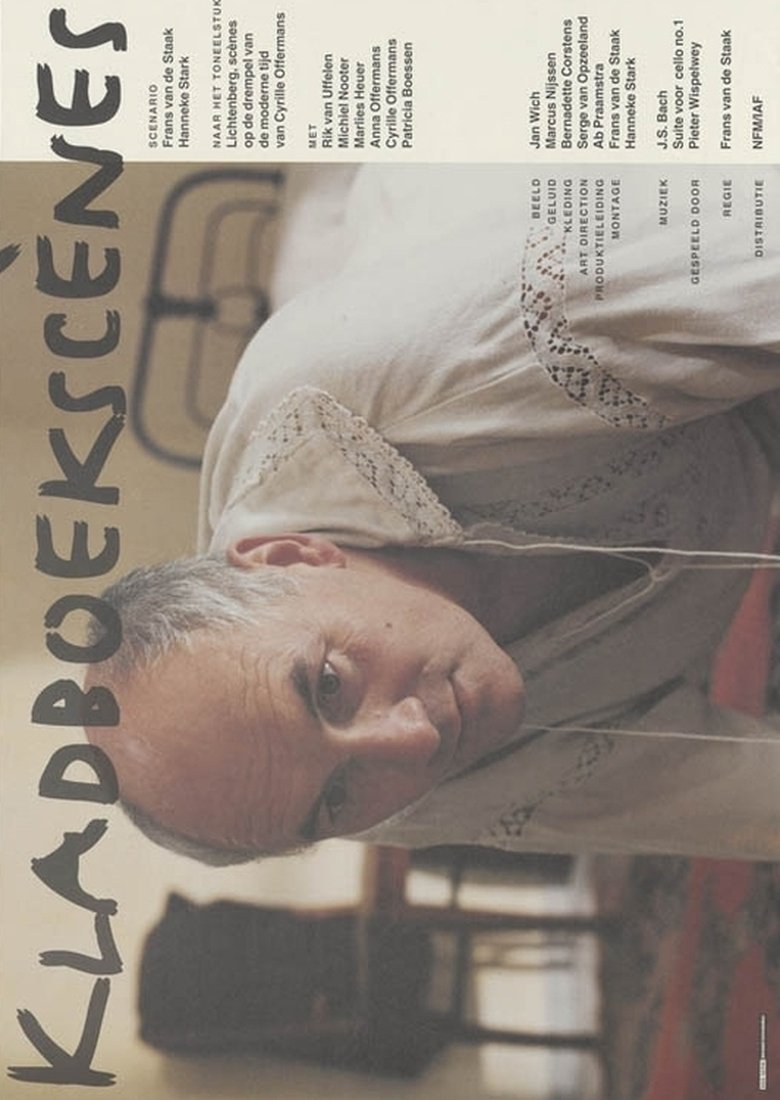
The film is adapted from a play by Cyrille Offermans Lichtenberg, scenes at the dawn of a new era". Although the protagonist shares some features with the experimental physicist and writer George Christoph Lichtenberg (1742-1799), who wrote the famous Sudelbücher and numerous letters, the film does not pretend any historical accuracy with respect to the real Lichtenberg, but focuses on Offermans' hybrid [partial fictitious] personage. The result is not an interplay between fact and fiction, but a sort of view of Lichtenberg, mouthing some 19th- and 20th- century authors he couldn't have known, strictly speaking, but whose alleged fantastic formulations seem to follow from his own writings in a natural way.
Director
Status
Released
Original Language
NL
Humble Maria, who outfits top London theater star Ned Kynaston, takes none of the credit for the male actor's success at playing women. And because this is the 17th century, Maria, like other females, is prohibited from pursuing her dream of acting. But when powerful people support her, King Charles II lifts the ban on female stage performers. And just as Maria aided Ned, she needs his help to learn her new profession.