
User Score
4 votes
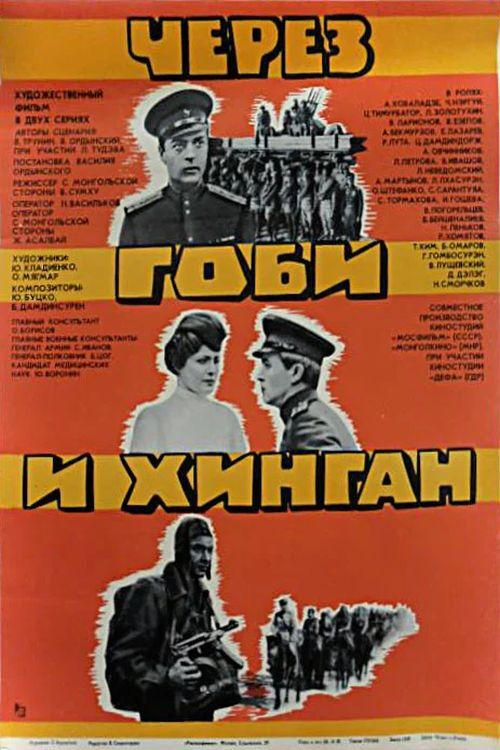
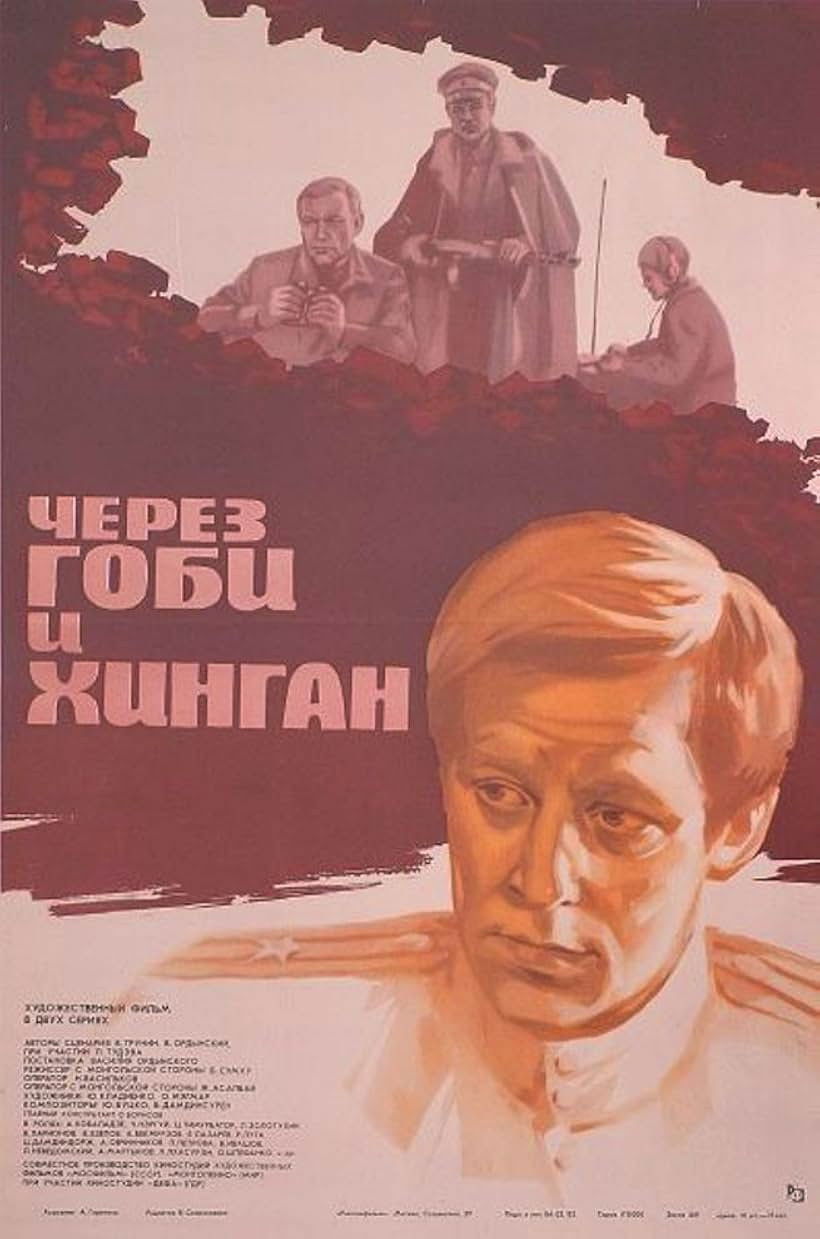
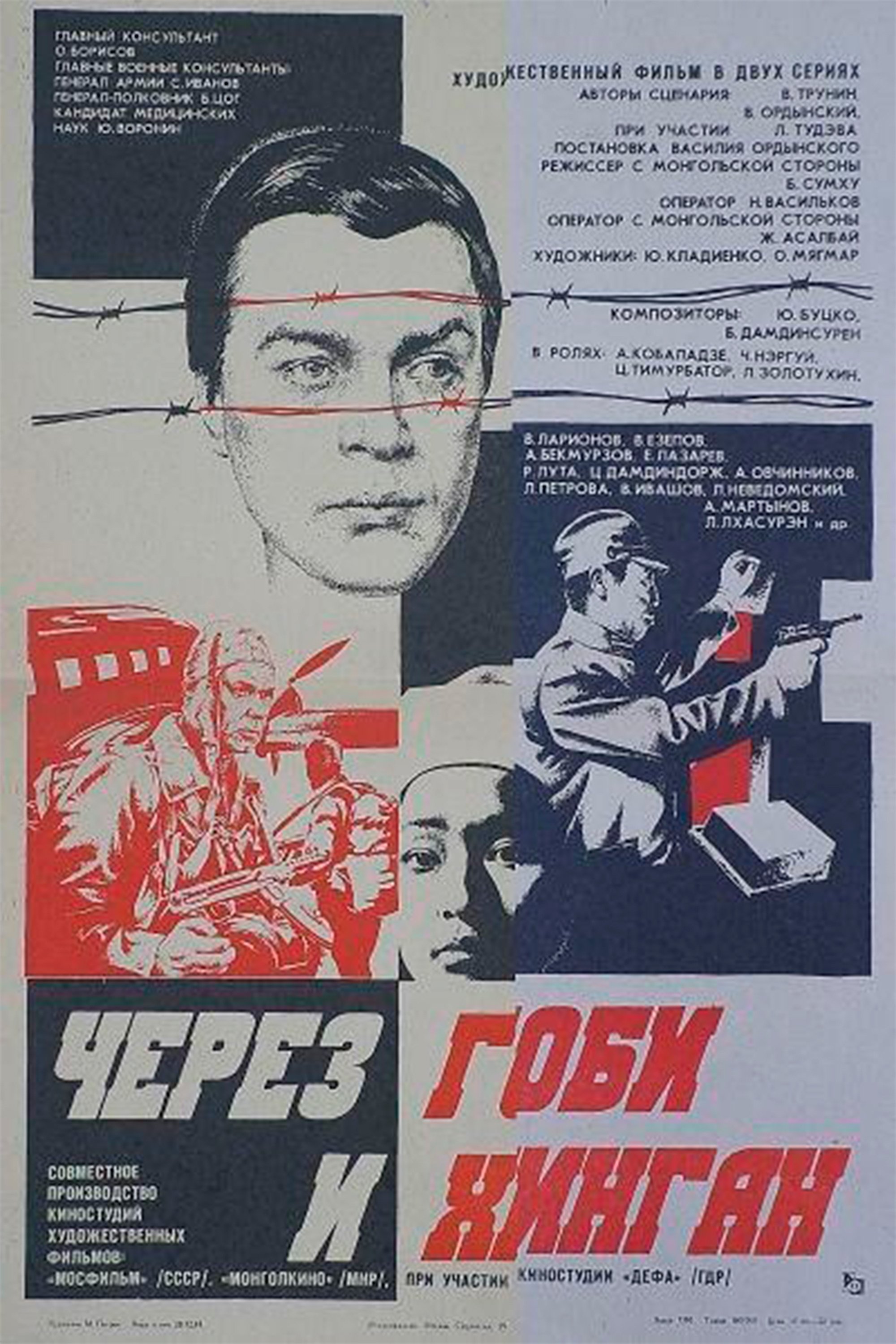
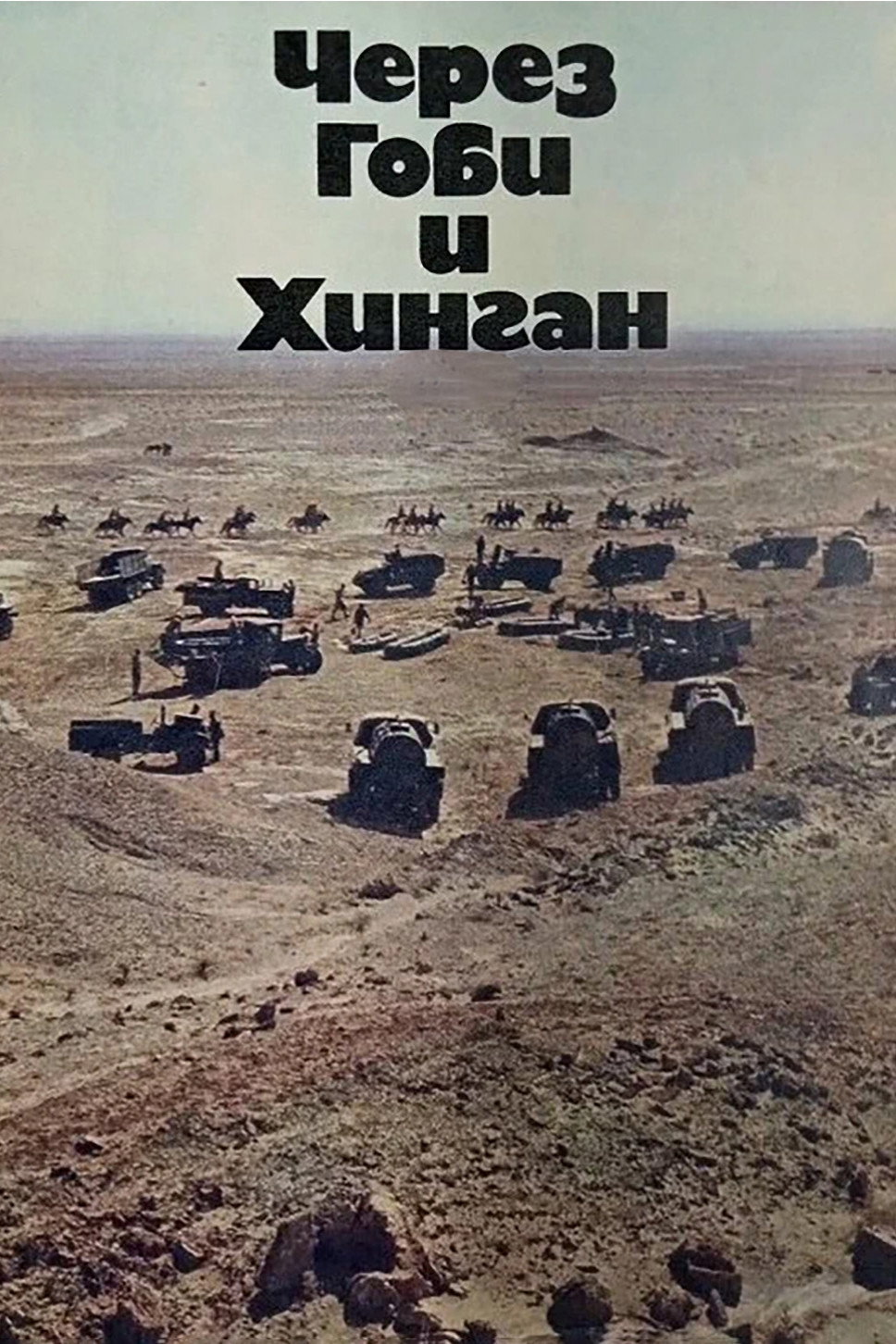
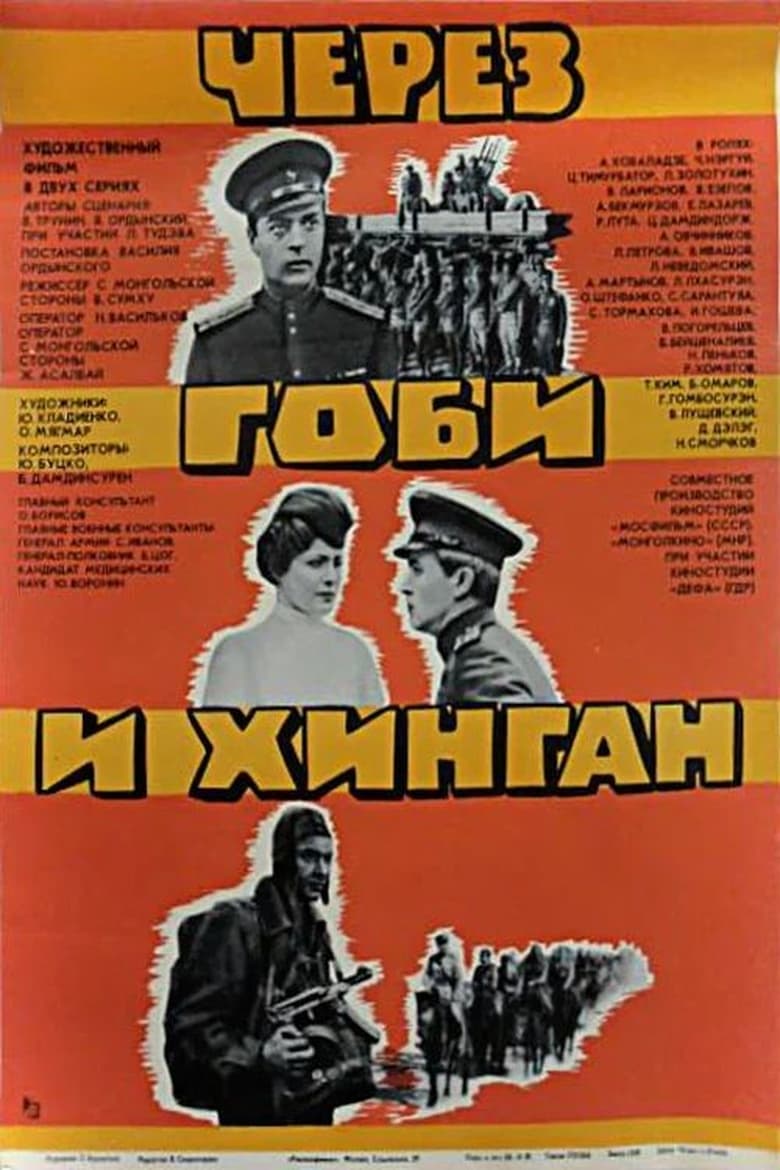
About the events of the final stage of the Second World War — the defeat by Soviet and Mongolian troops of the selected Kwantung army. Bacteriological weapons were created in the laboratory of Japanese General Ishii Shiro. Experiments were conducted on prisoners of war and political prisoners. Epidemiologist Dmitry Sokolov was assigned to solve the mystery of this laboratory. At the cost of his own life, he completed the task. The march of Soviet and Mongolian formations through the Gobi sands and the Khingan spurs was not only a brilliant military operation, but also a warning of the use of bacteriological weapons by Japan.
Director
Director
Writer
Writer
Writer
Status
Released
Original Language
RU
Stalin
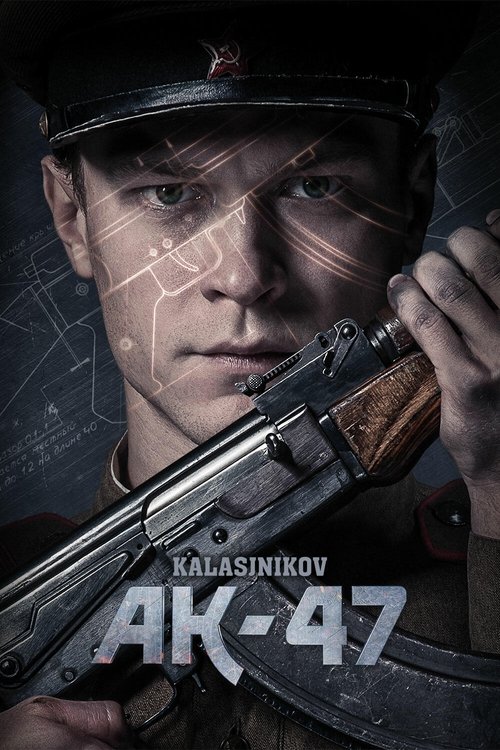
A Russian military propaganda film about the tank commander Kalashnikov, severely injured in battle in 1941. The accident leaves him incapacitated and unable to return to the front line. While recovering in the hospital, he begins creating the initial sketches of what will become one of the world’s most legendary weapons. A self-taught inventor is only 29 when he develops the now iconic assault riffle — the AK-47. Shot in occupied Crimea.