
User Score
0 votes
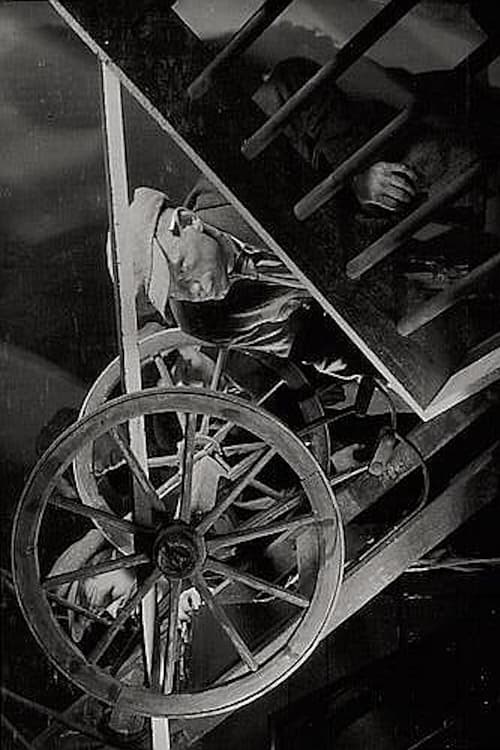
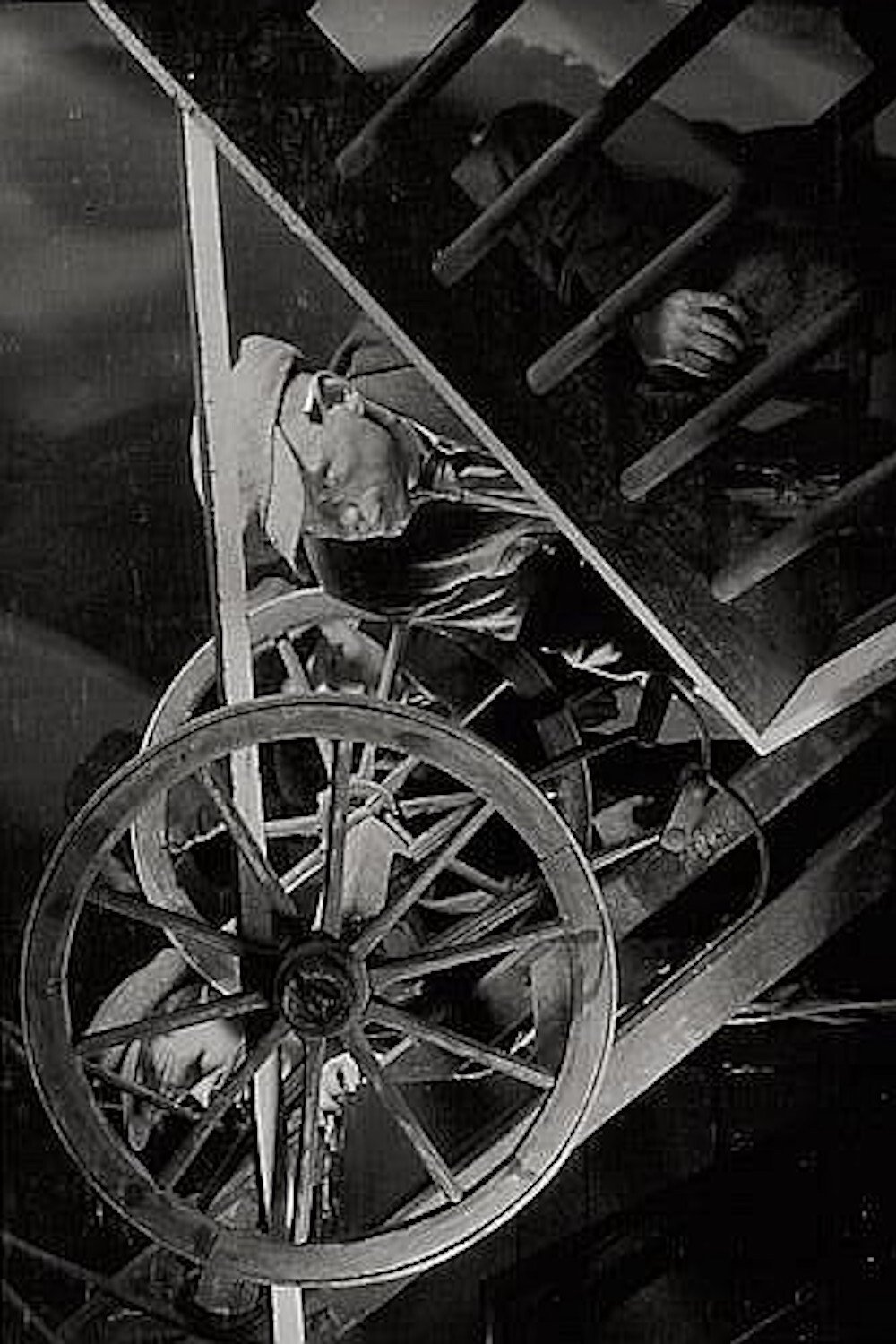
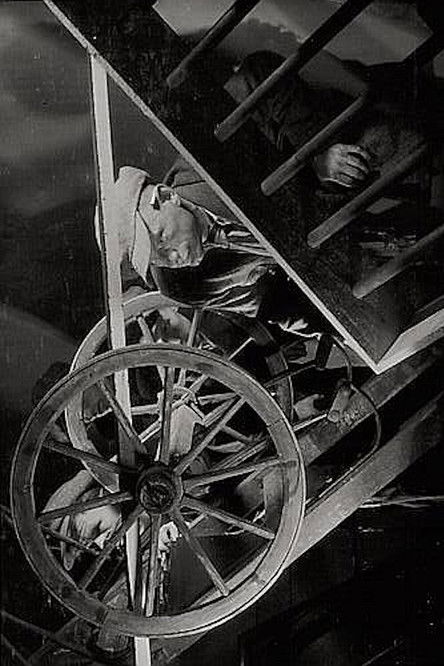
Willy Zielke was a brilliant photographer and filmmaker from Łodź who suffered greatly at the hands of the Nazis: His German feature films of the 1930s, Arbeitslos and Das Stahltier, were banned; Leni Riefenstahl made use of him to conceive, direct, and shoot the prologue for Olympia, but gave him no credit; and later, in a mentally incapacitated state, he was confined to an insane asylum where he was forcibly sterilized, only to be released after five years in 1942 so that Riefenstahl could make use of him once again on the final shooting of Tiefland. Zielke’s 1933 film Arbeitslos, commissioned by a Maffei railway company unemployment shelter, presented a despairing portrait of a nation in near-total collapse.
Director
Status
Released
Original Language
EN
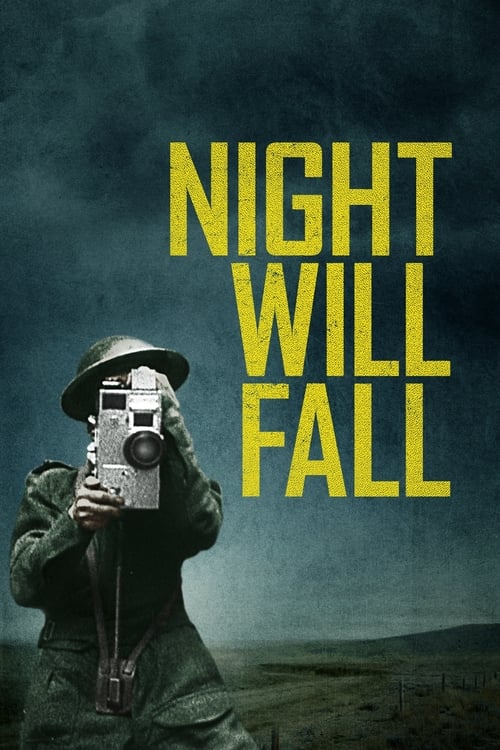
When Allied forces liberated the Nazi concentration camps in 1944-45, their terrible discoveries were recorded by army and newsreel cameramen, revealing for the first time the full horror of what had happened. Making use of British, Soviet and American footage, the Ministry of Information’s Sidney Bernstein (later founder of Granada Television) aimed to create a documentary that would provide lasting, undeniable evidence of the Nazis’ unspeakable crimes. He commissioned a wealth of British talent, including editor Stewart McAllister, writer and future cabinet minister Richard Crossman – and, as treatment advisor, his friend Alfred Hitchcock. Yet, despite initial support from the British and US Governments, the film was shelved, and only now, 70 years on, has it been restored and completed by Imperial War Museums under its original title "German Concentration Camps Factual Survey".
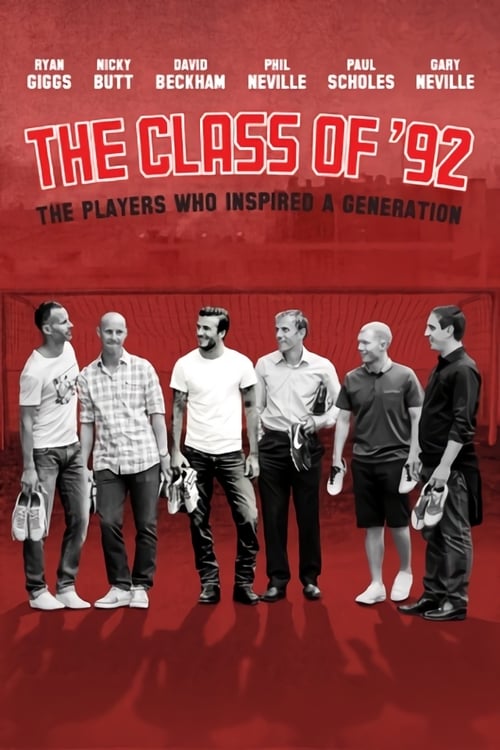
A detailing of the rise to prominence and global sporting superstardom of six supremely talented young Manchester United football players (David Beckham, Nicky Butt, Ryan Giggs, Paul Scholes, Phil and Gary Neville). The film covers the period 1992-1999, culminating in Manchester United's European Cup triumph.