User Score
1 votes
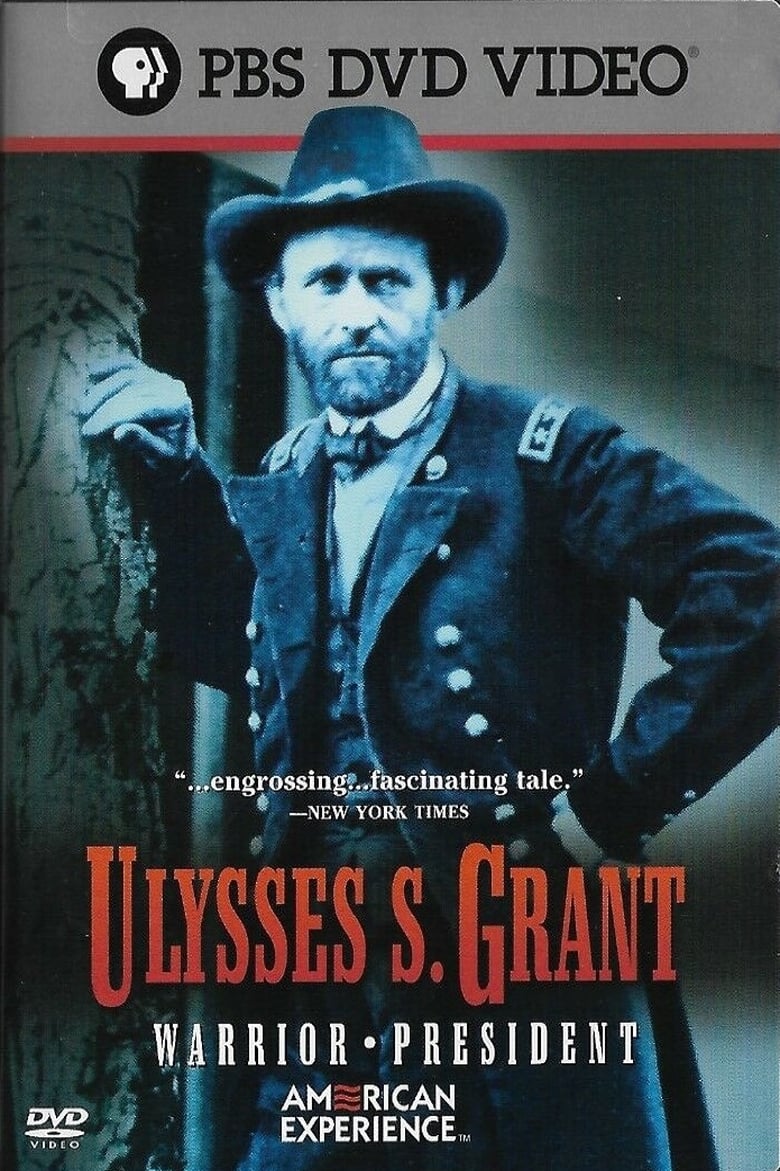
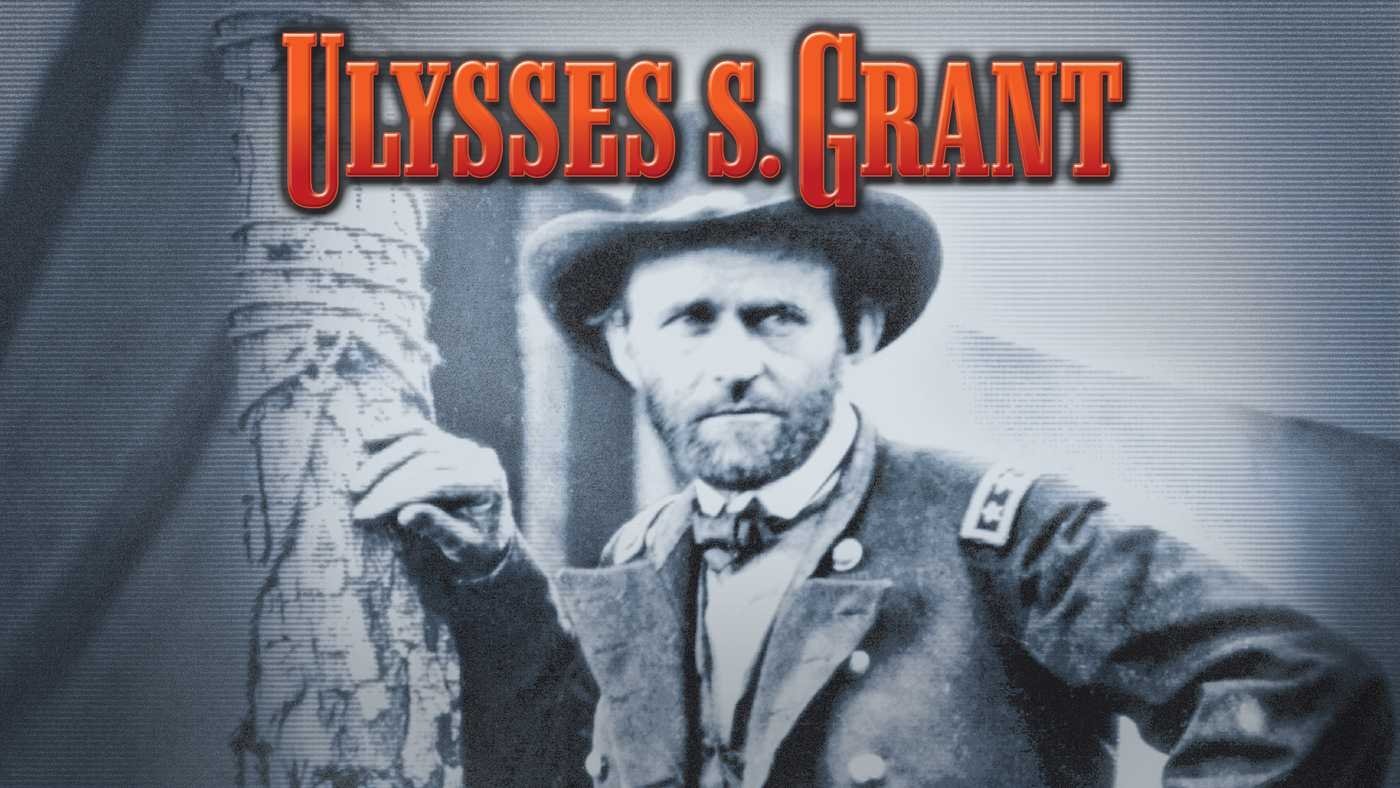
As a general, he had fought to preserve the Union. As president, he helped to oversee the transformation from union to nation. As a former president, he was the embodiment of the very idea of national union, and of America's entry onto the world stage. As a dying general, he was the symbol of the nation's greatest and most traumatic war. The story of Ulysses S. Grant's life, from his first days on the Ohio frontier to his last days out-writing death in the Adirondacks, is an endlessly fascinating one. Few public figures have ever held a such a firm grip on the American popular imagination. Grant was a man whose rise from obscurity made him a hero to millions who could see themselves in him. An ordinary man who faced and met extraordinary challenges, his successes and failures seemed to encapsulate the national character. He was so popular with the American public that, despite his two scandal-ridden terms as president, he was nearly nominated to run for a third term.
Director
Writer
Status
Released
Original Language
EN
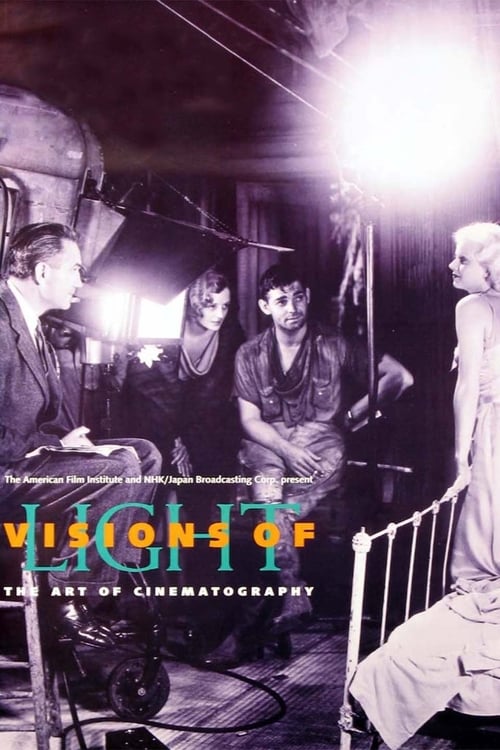
Cameramen and women discuss the craft and art of cinematography and of the "DP" (the director of photography), illustrating their points with clips from 100 films, from Birth of a Nation to Do the Right Thing. Themes: the DP tells people where to look; changes in movies (the arrival of sound, color, and wide screens) required creative responses from DPs; and, these artisans constantly invent new equipment and try new things, with wonderful results. The narration takes us through the identifiable studio styles of the 30s, the emergence of noir, the New York look, and the impact of Europeans. Citizen Kane, The Conformist, and Gordon Willis get special attention.