
User Score
0 votes
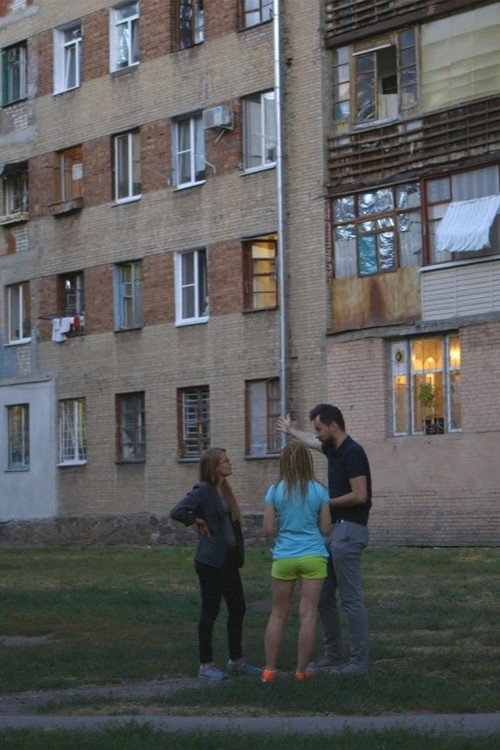
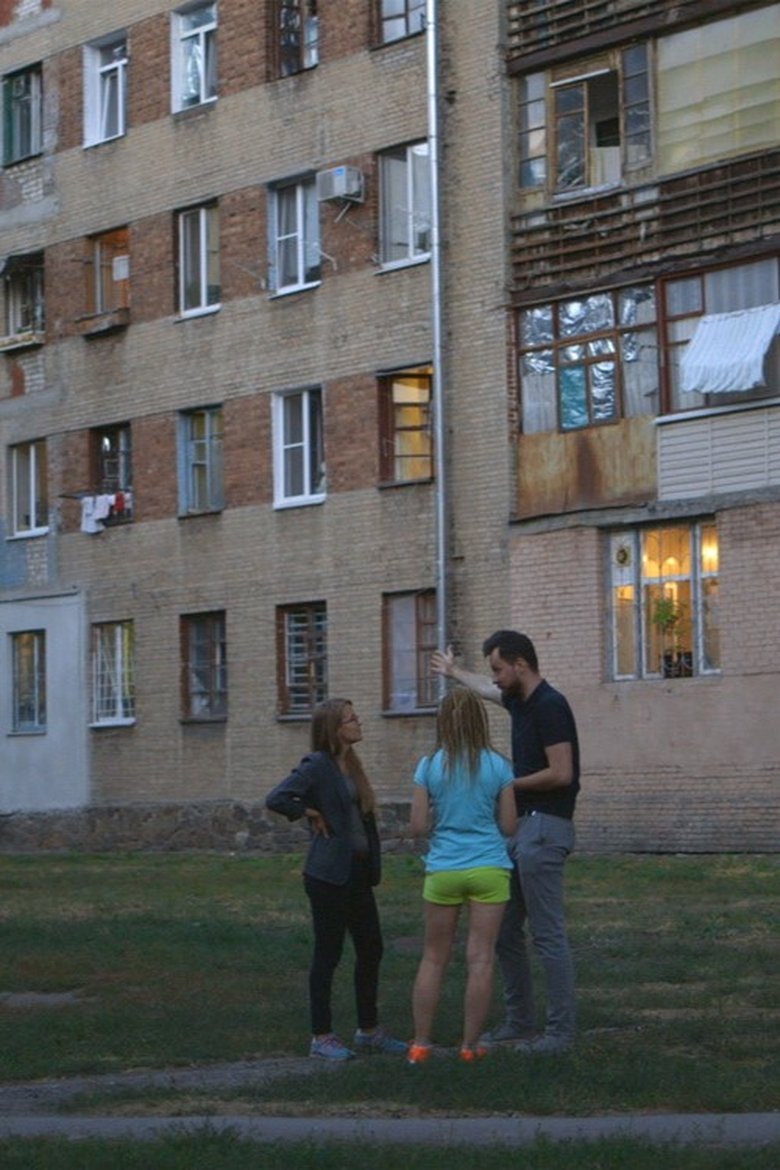
Let’s embark upon a journey to discover two collective housing projects. One in Kharkiv, Ukraine, from the early days of the Soviet era in 1930; the other, in the suburbs of Rotterdam, in the 1950s. Their connection? Lotte Stam-Beese, the first woman to train as an architect at the Bauhaus, who took part in both ventures. Two political and social spaces for two different architectural utopias. The film unfolds stories and expands them with well-informed, militant explanations, as we go back and forth, sometimes imperceptibly, from one city to another, from past to present, in a delicate weaving operation. As a game of transfer and echoes, of viewpoints opening up a counter-History, in reverse, as suggested by the superimpositions the film is peppered with. A journey through the bends of places, History, words, punctuated by the apparitions of an interpreter who translates as much as she comments, in a whispering voice, as a ghostly narrator.
Director
Status
Released
Original Language
EN
Self
Cultural critic David Kepesh finds his life -- which he indicates is a state of "emancipated manhood" -- thrown into tragic disarray by Consuela Castillo, a well-mannered student who awakens a sense of sexual possessiveness in her teacher.