
User Score
0 votes
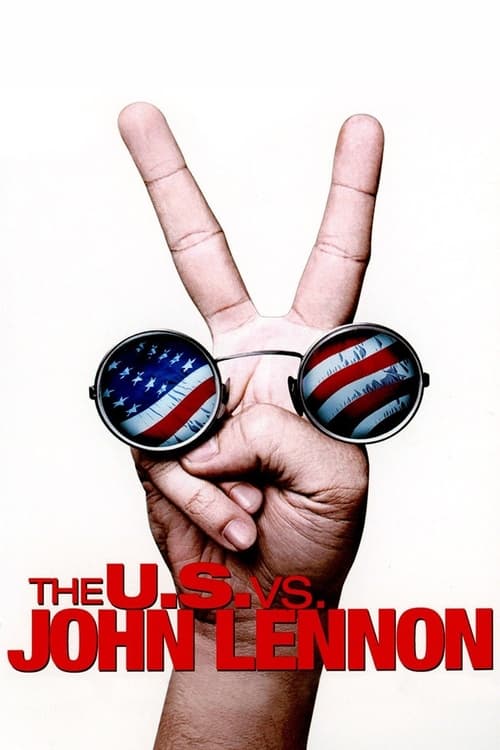
“A compelling documentary with appearances by John Lennon & Yoko Ono, Allen Ginsberg, MC-5 and many more.”
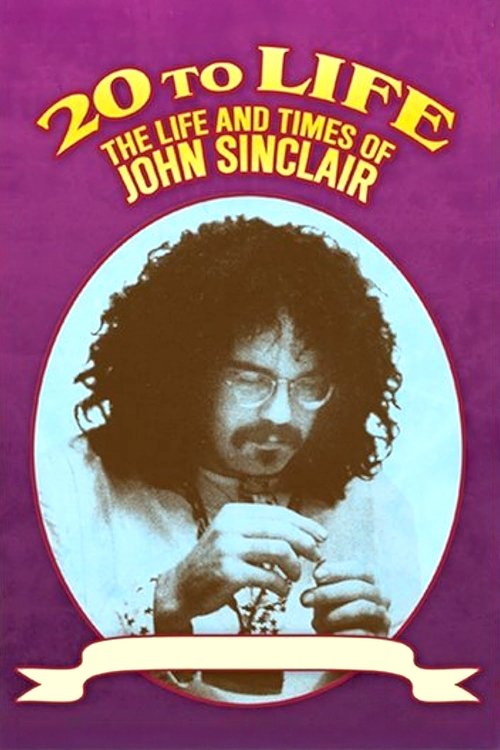
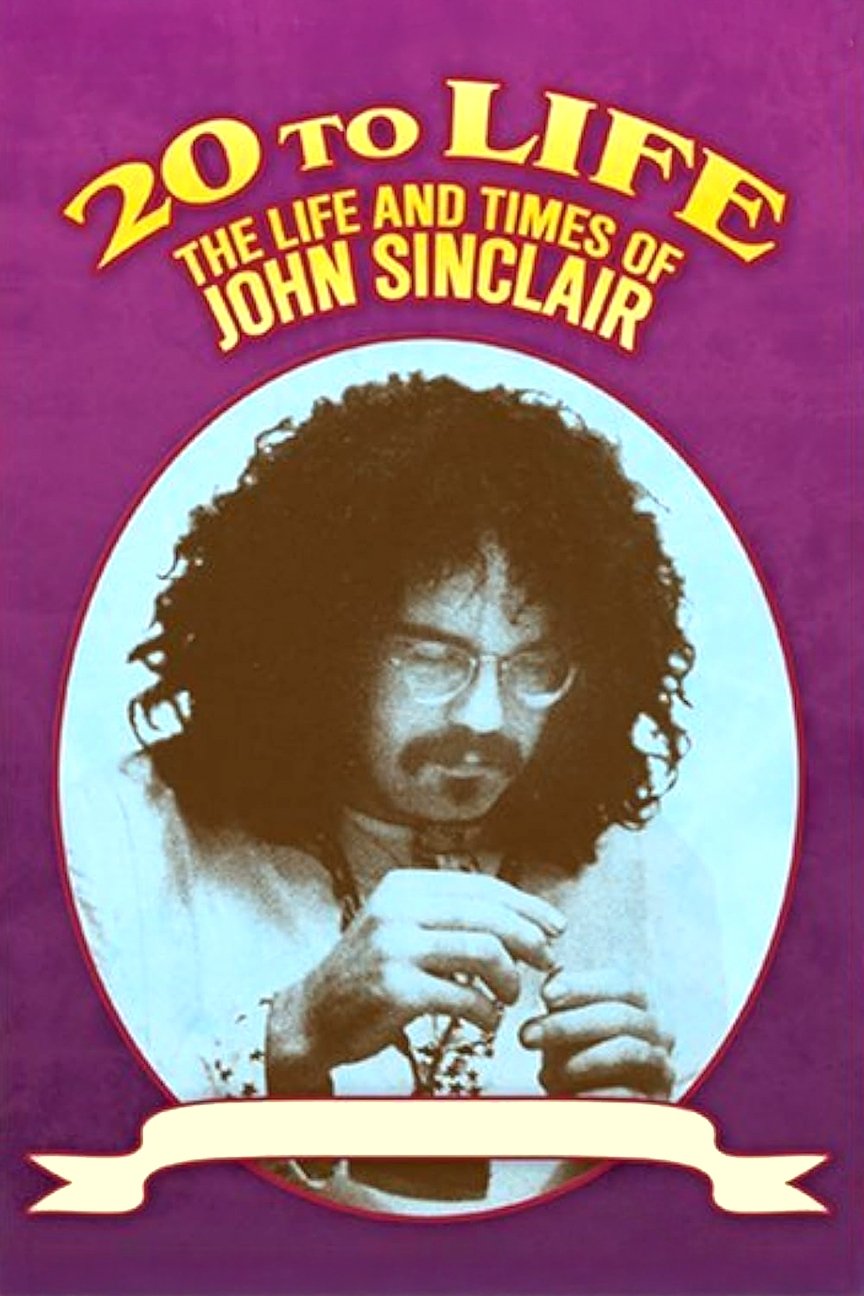
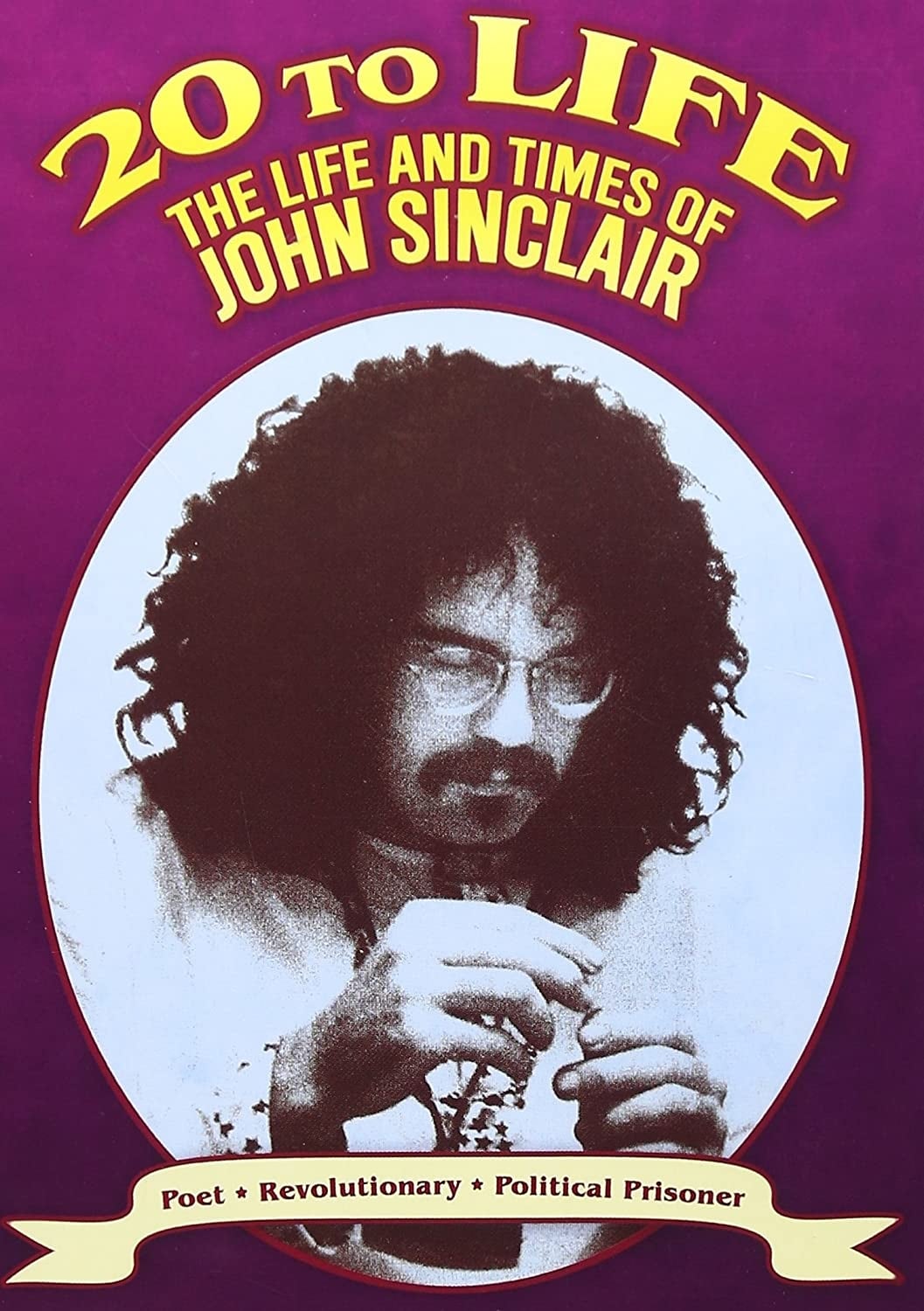
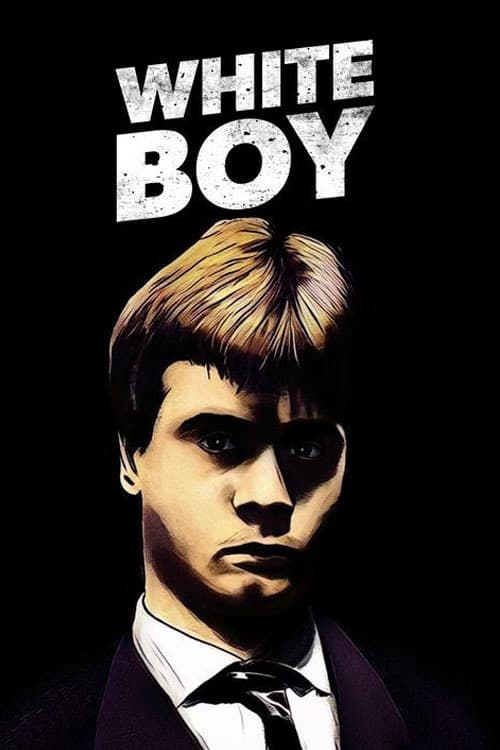
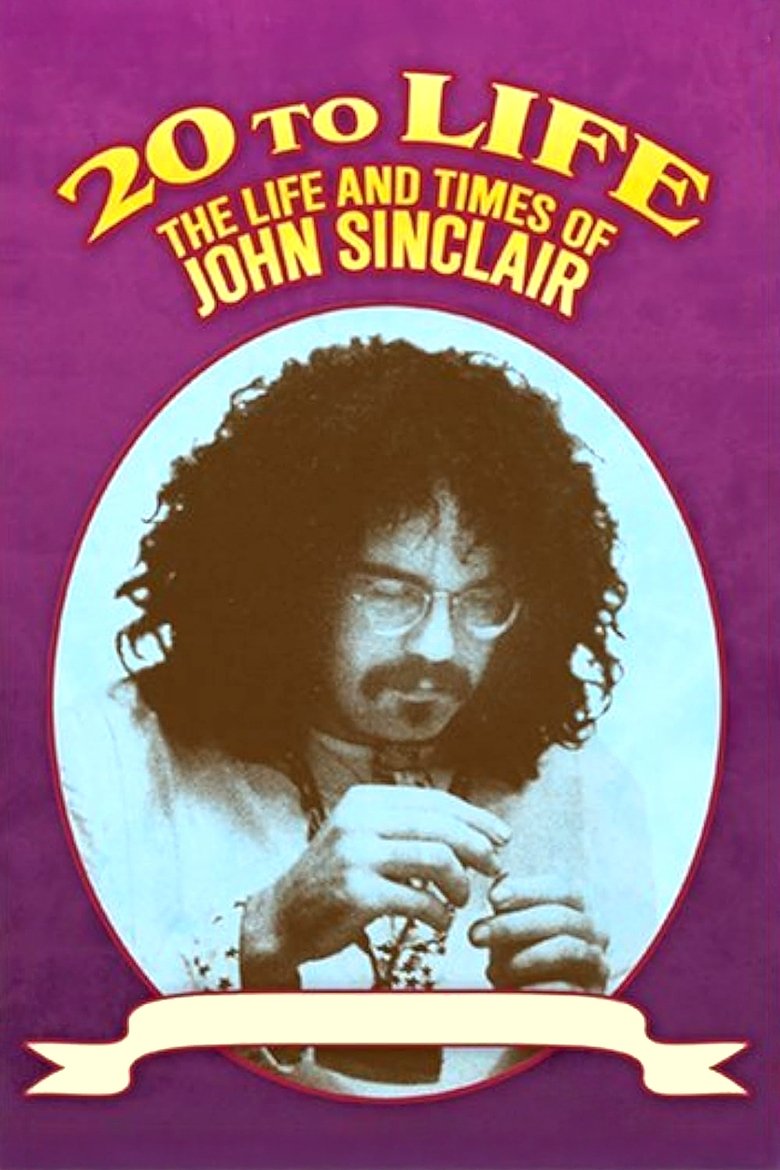
John Sinclair first emerged out of his small-town Michigan background to forge a legendary course through the 1960s as a cultural activist, manager of the MC5, and Chairman of the White Panther Party. An early victim of the War on Drugs who faced 20 years to life in prison for giving two joints to an undercover policewoman, Sinclair served 29 months of a 9-1/2-to-10-year sentence before his legal victory on appeal changed the law for good. The long campaign waged by Sinclair culminated in a massive John Sinclair Freedom Rally headlined by John Lennon & Yoko Ono, Stevie Wonder, Bob Seger, Phil Ochs, Allen Ginsberg and Bobby Seale that resulted in Sinclair's release from prison on December 13, 1971-just three days after the event (Clint Weiler)
Director
Status
Released
Original Language
EN
Self
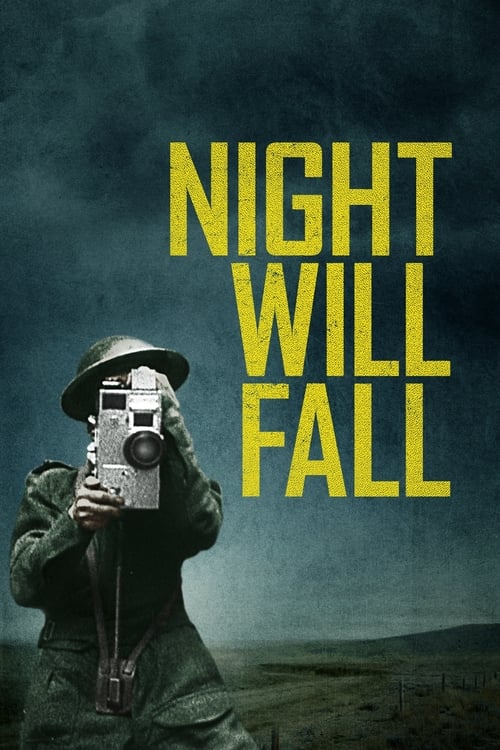
When Allied forces liberated the Nazi concentration camps in 1944-45, their terrible discoveries were recorded by army and newsreel cameramen, revealing for the first time the full horror of what had happened. Making use of British, Soviet and American footage, the Ministry of Information’s Sidney Bernstein (later founder of Granada Television) aimed to create a documentary that would provide lasting, undeniable evidence of the Nazis’ unspeakable crimes. He commissioned a wealth of British talent, including editor Stewart McAllister, writer and future cabinet minister Richard Crossman – and, as treatment advisor, his friend Alfred Hitchcock. Yet, despite initial support from the British and US Governments, the film was shelved, and only now, 70 years on, has it been restored and completed by Imperial War Museums under its original title "German Concentration Camps Factual Survey".