
User Score
0 votes
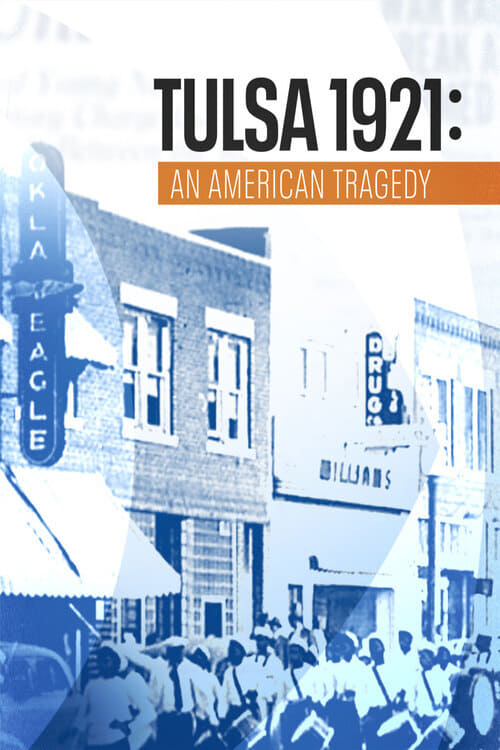
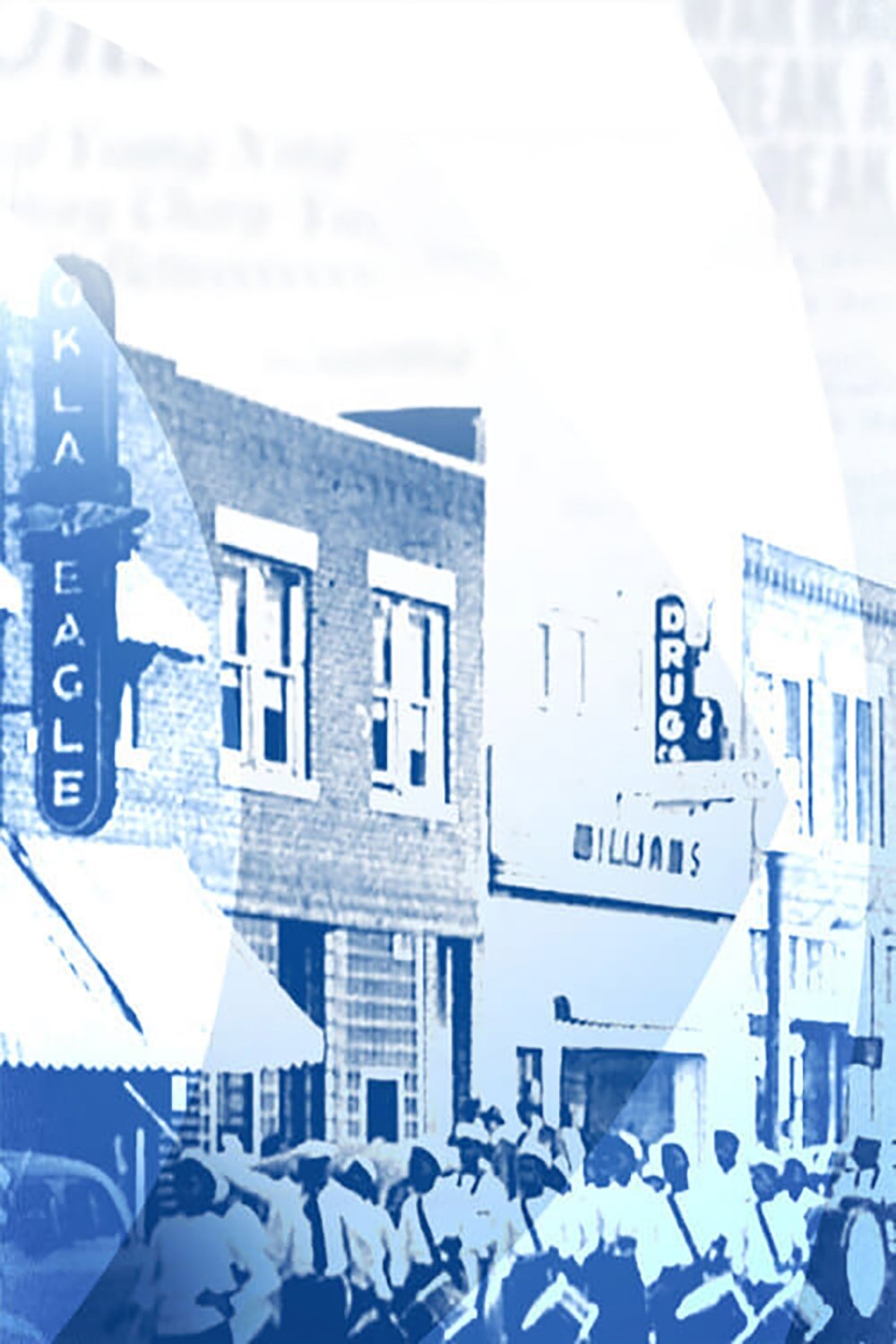
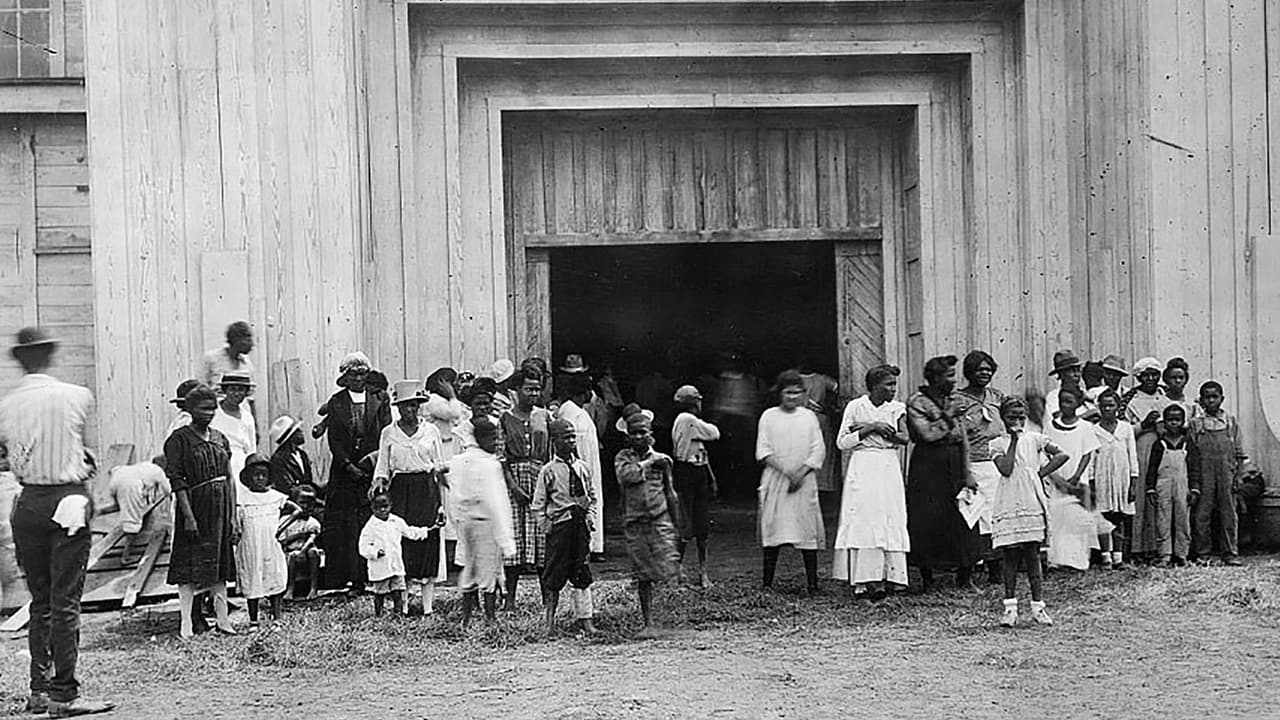
One hundred years ago today, in Tulsa, Oklahoma, a Black teenage shoe shiner named Dick Rowland stepped onto an elevator being operated by a 17-year-old White girl. Wild allegations about what happened on that elevator between the two teens would lead to one of the most notorious massacres in American history. Rowland was arrested the next morning, and the Tulsa Tribune printed an incendiary article claiming that the young man had attempted to “assault” the girl. A white mob descended on the courthouse, demanding that Rowland be turned over to them. Armed Black men showed up to defend Rowland and prevent him from being lynched. Gunfire soon erupted. It would lead to what would become known as the Tulsa Massacre, as White people began to shoot Black people on sight.
Status
Released
Original Language
EN
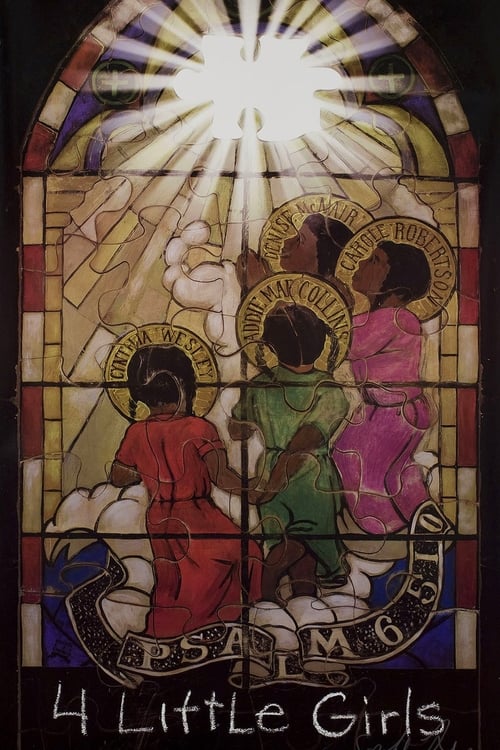
On September 15, 1963, a bomb destroyed a black church in Birmingham, Alabama, killing four young girls who were there for Sunday school. It was a crime that shocked the nation--and a defining moment in the history of the civil-rights movement. Spike Lee re-examines the full story of the bombing, including a revealing interview with former Alabama Governor George Wallace.