
User Score
1 votes
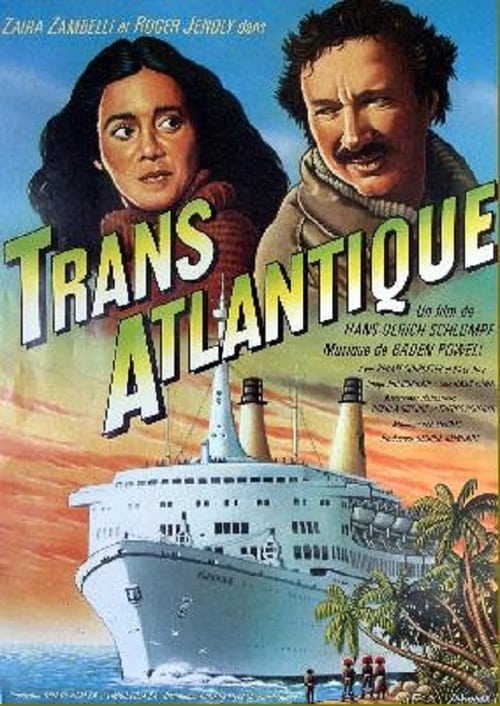
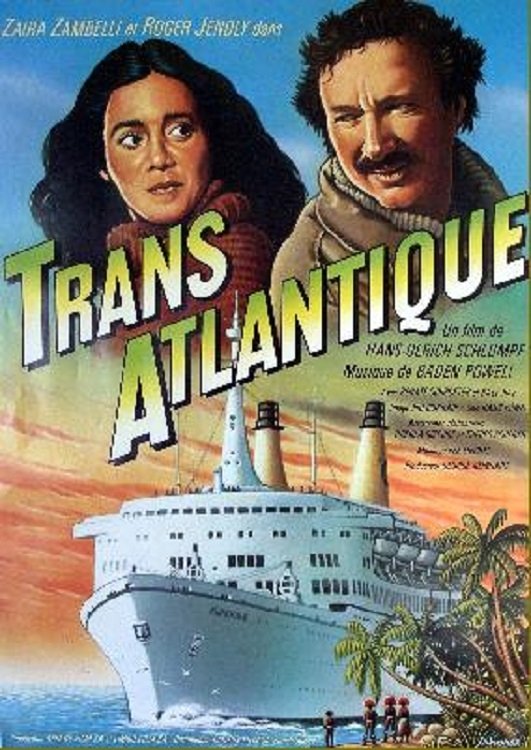
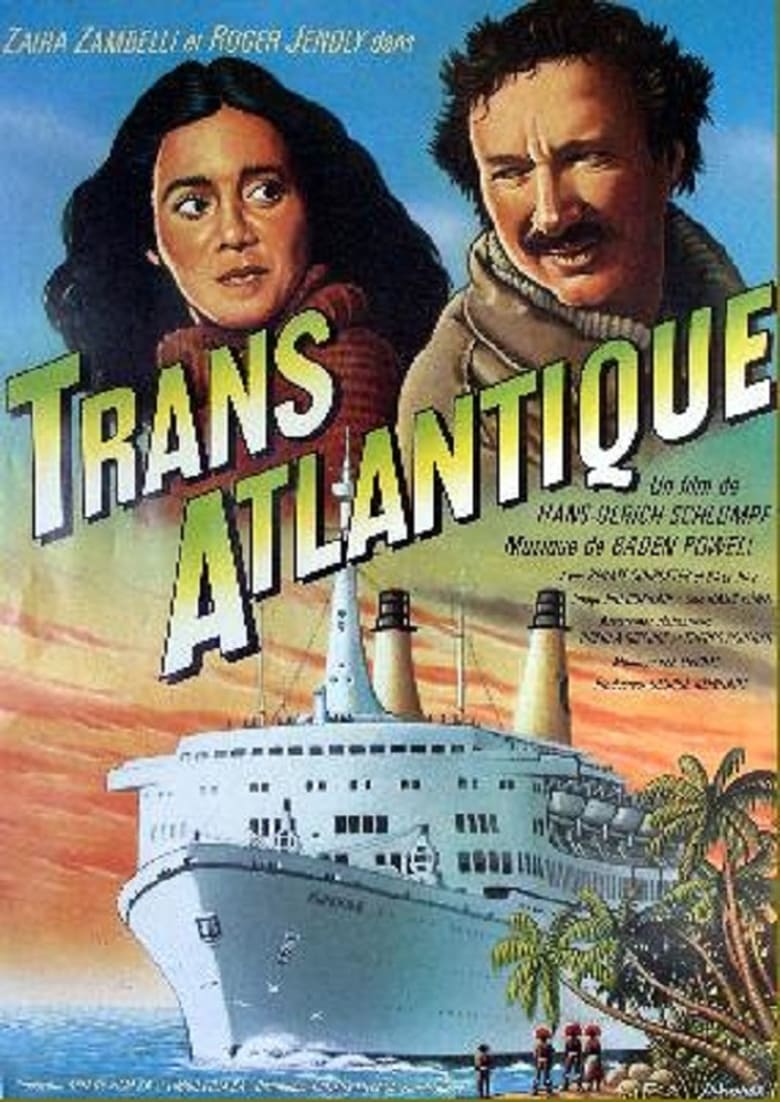
On the last voyage of the Italian ocean liner EUGENIO C. from Genoa to Rio de Janeiro, Zurich-based ethnologist Roger Wiedmer meets Brazilian Zaira Gelbert. He wants to repeat the journey to the Indians of the Amazon described by Claude Lévy-Strauss in "Tristes Tropiques" some forty years later and begins with the first chapter: "La fin des voyages." Zaira Gelbert returns to her roots in her homeland after a two-year stay in Europe. The love story between the two—which lasts the eleven days of the crossing—becomes a dialogue between two cultures. The encounter with Zaira opens Roger's eyes. Now he perceives the sea, the ship, and above all the passengers with their stories. He meets emigrants, poets, first-class passengers, tourists, crew members, priests. A stowaway is also traveling with them.
Director
Status
Released
Original Language
DE
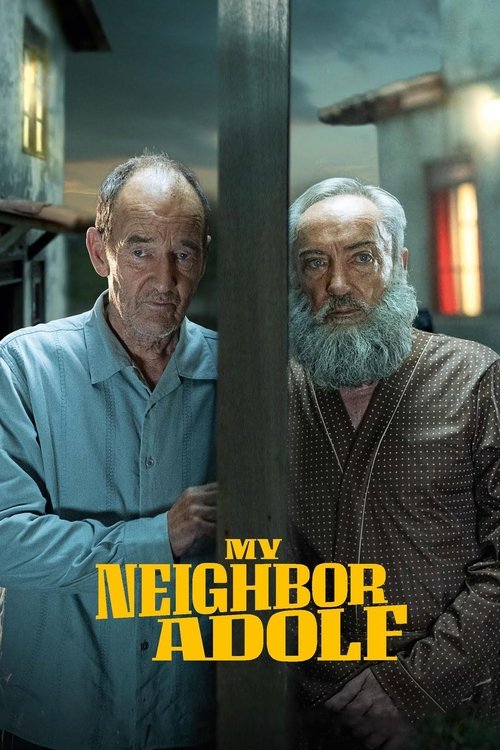
South America, 1960. A lonely and grumpy Holocaust survivor convinces himself that his new neighbor is none other than Adolf Hitler. Not being taken seriously, he starts an independent investigation to prove his claim, but when the evidence still appears to be inconclusive, Polsky is forced to engage in a relationship with the enemy in order to obtain irrefutable proof.