

User Score
5 votes
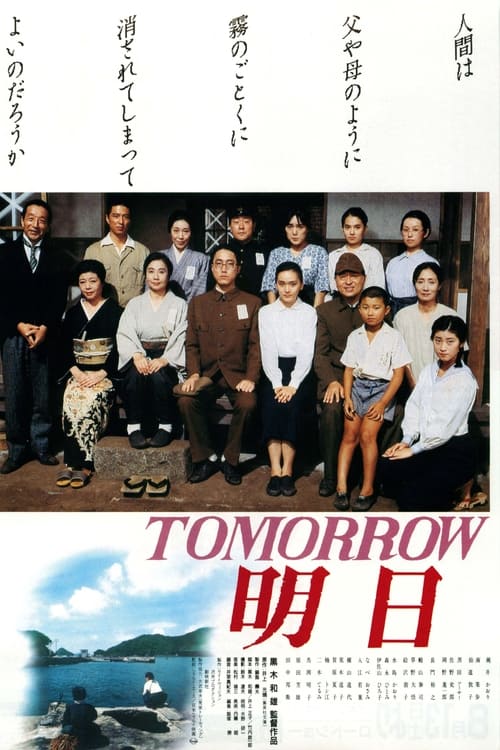
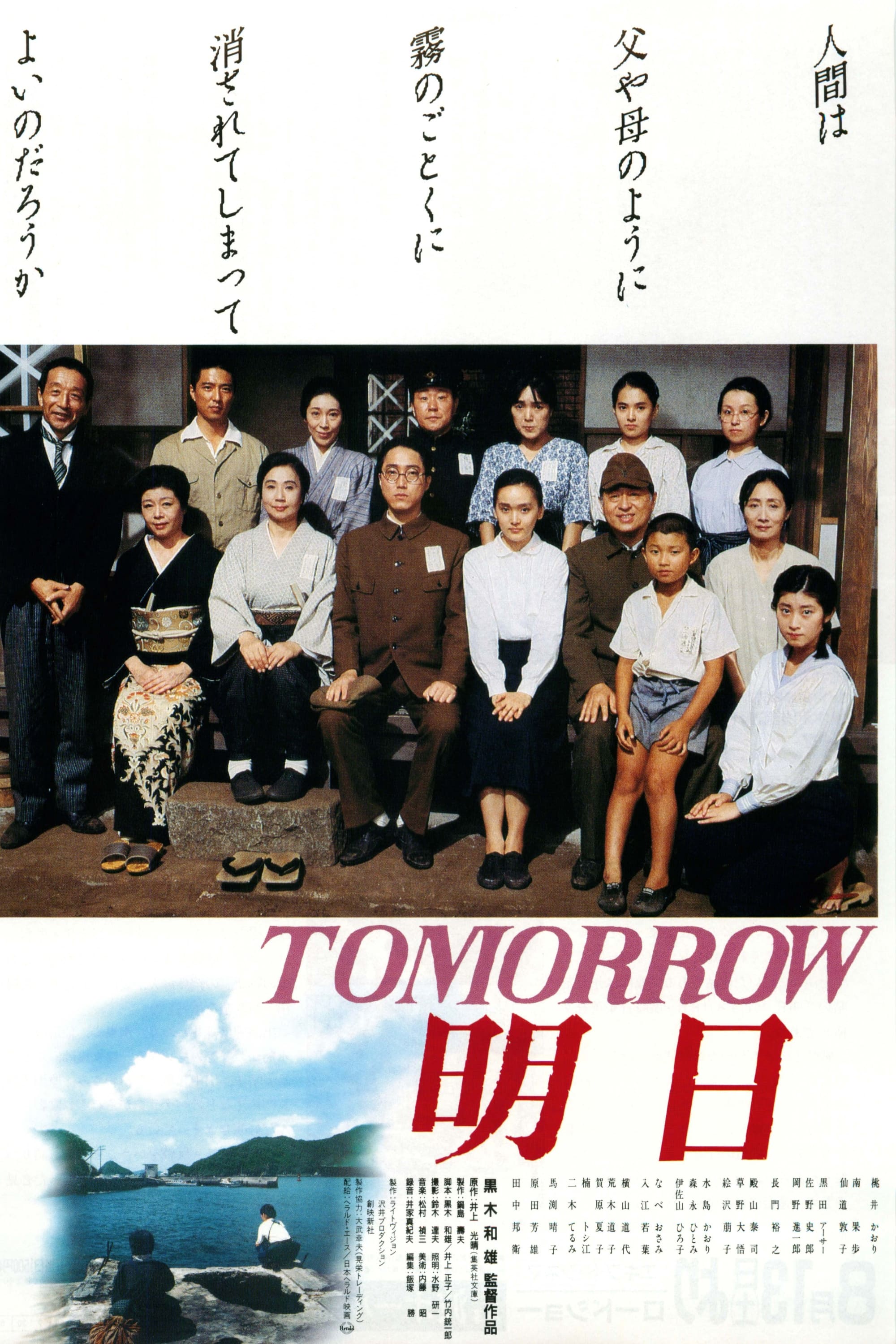
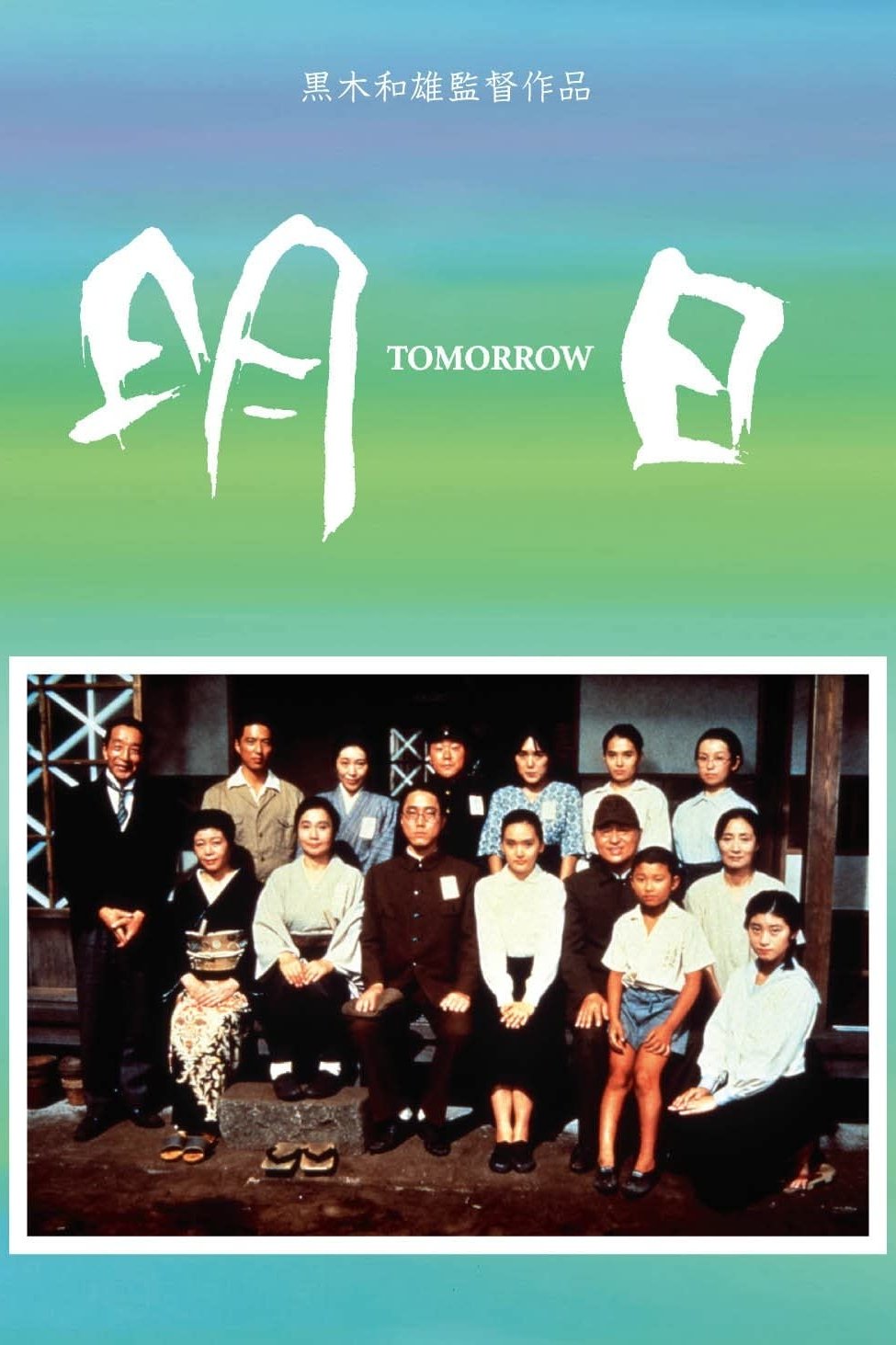
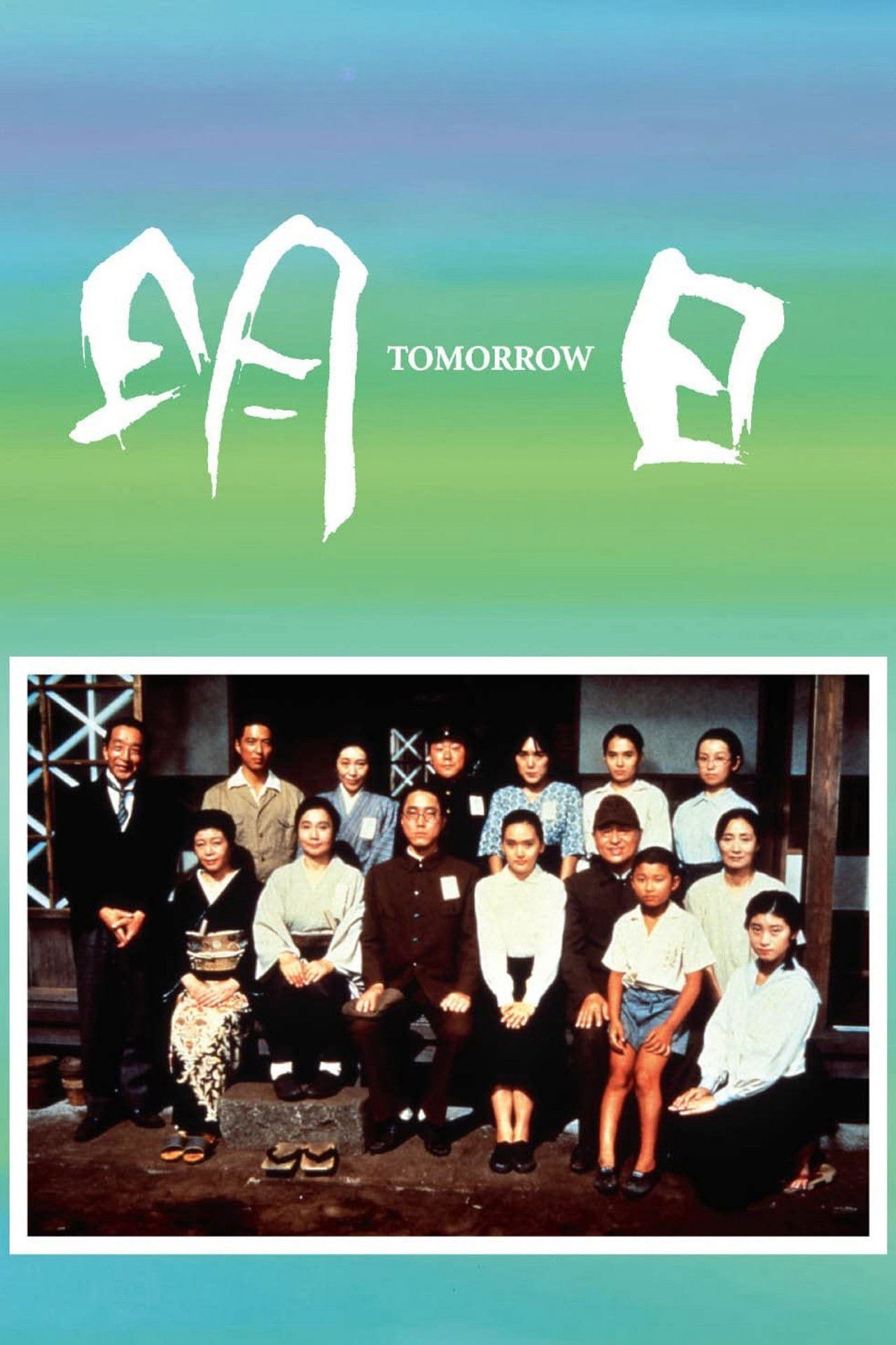
On August 9, 1945, the Americans dropped an atomic bomb on Nagasaki. This film, based on a story by Mitsukaru Inoue, describes the daily life of people in Nagasaki the day before that fateful event. It presents the human drama of people's lives, and their feelings of joy and sadness. These include a newlywed couple, an expectant mother, and lovers who must say farewell because the boy is called to serve in the army. Each of these people, like others in the city, hoped to live with their dreams for ‘tomorrow’. But tomorrow never comes for them, as their lives are brought to an abrupt and unexpected end. Knowing how the story ends, in this case, doesn't detract from it at all; rather, it enhances the emotional impact, which is further heightened by the poignant musical score from Teizo Matsumura. 'Ashita' is the first film in Kazuo Kuroki's 'War Requiem Trilogy,' which also includes 'Utsukushii Natsu Kirishima' (2002) and 'Chichi to Kuraseba' (2004).
Status
Released
Original Language
JA
Taiichiro Miura
The film's story is a prequel to the Fist of the North Star depicting the one year interval between Kenshiro's defeat at the hands of Shin and their later battle. Unlike the others in the series this film has a completely original storyline in which Kenshiro, near death after his battle with Shin and having used his remaining energy to kill a pack of wolves, was captured by slavers. Due to his strength, Kenshiro could escape whenever he wanted, but chose to stay and protect the other slaves.