User Score
0 votes
“To My Son”
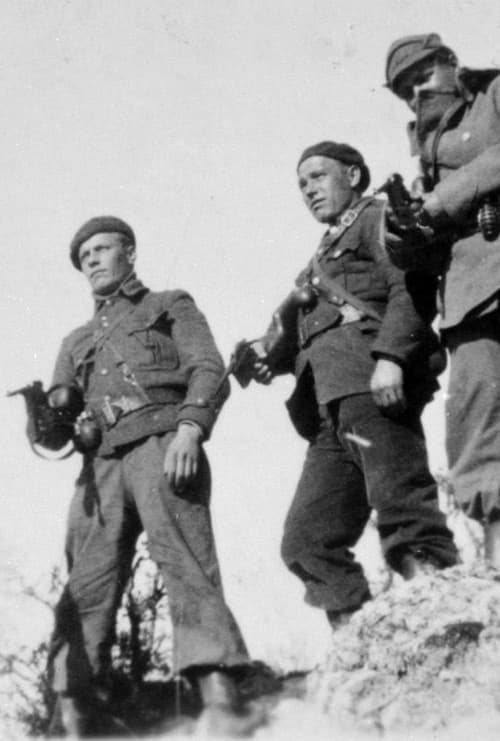
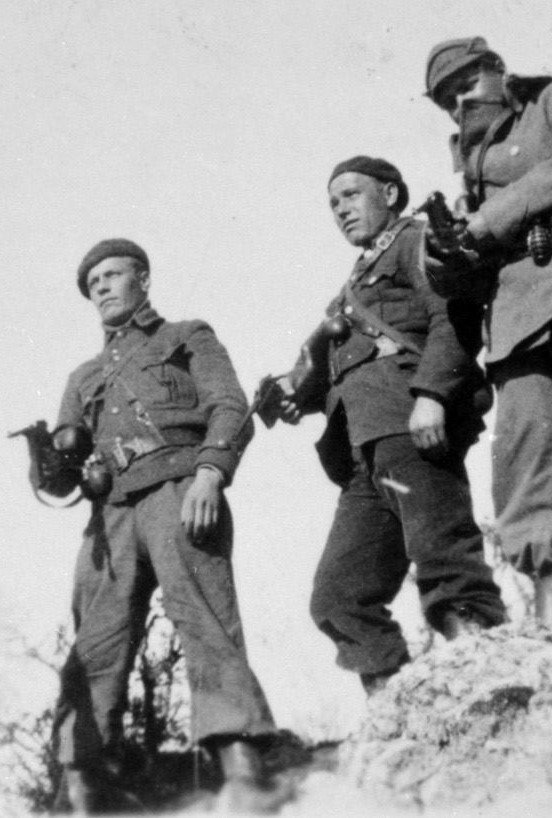
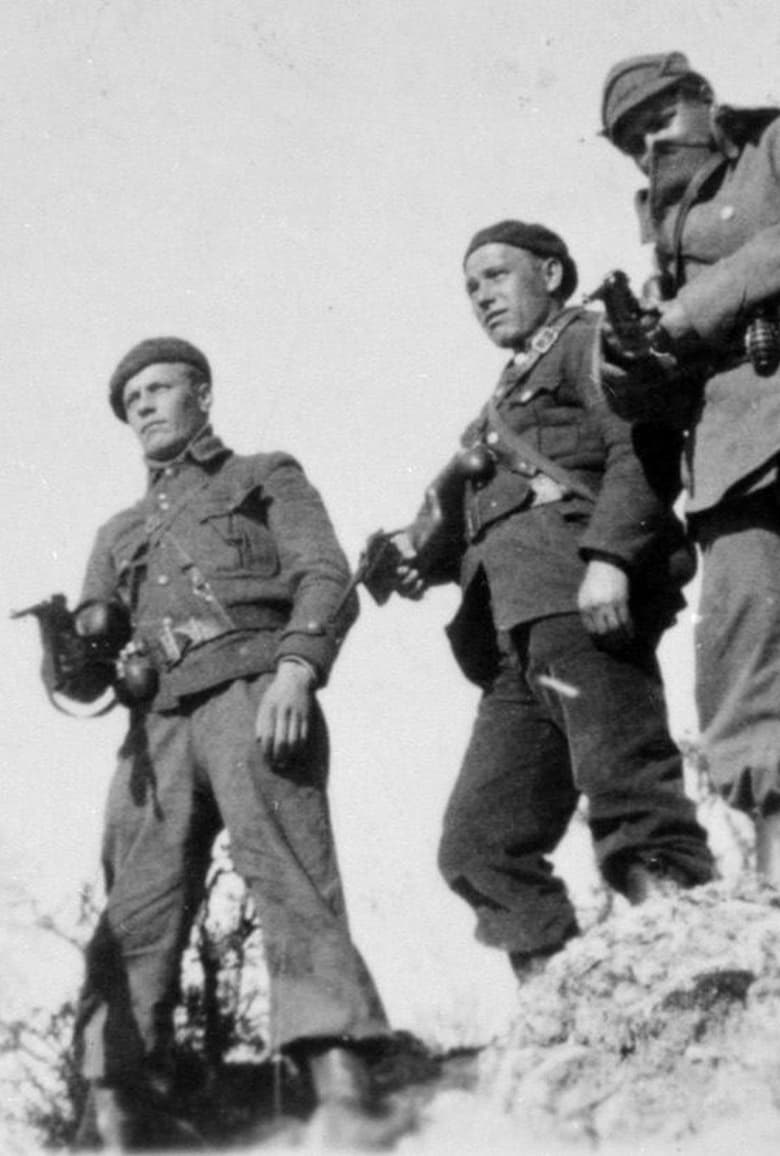
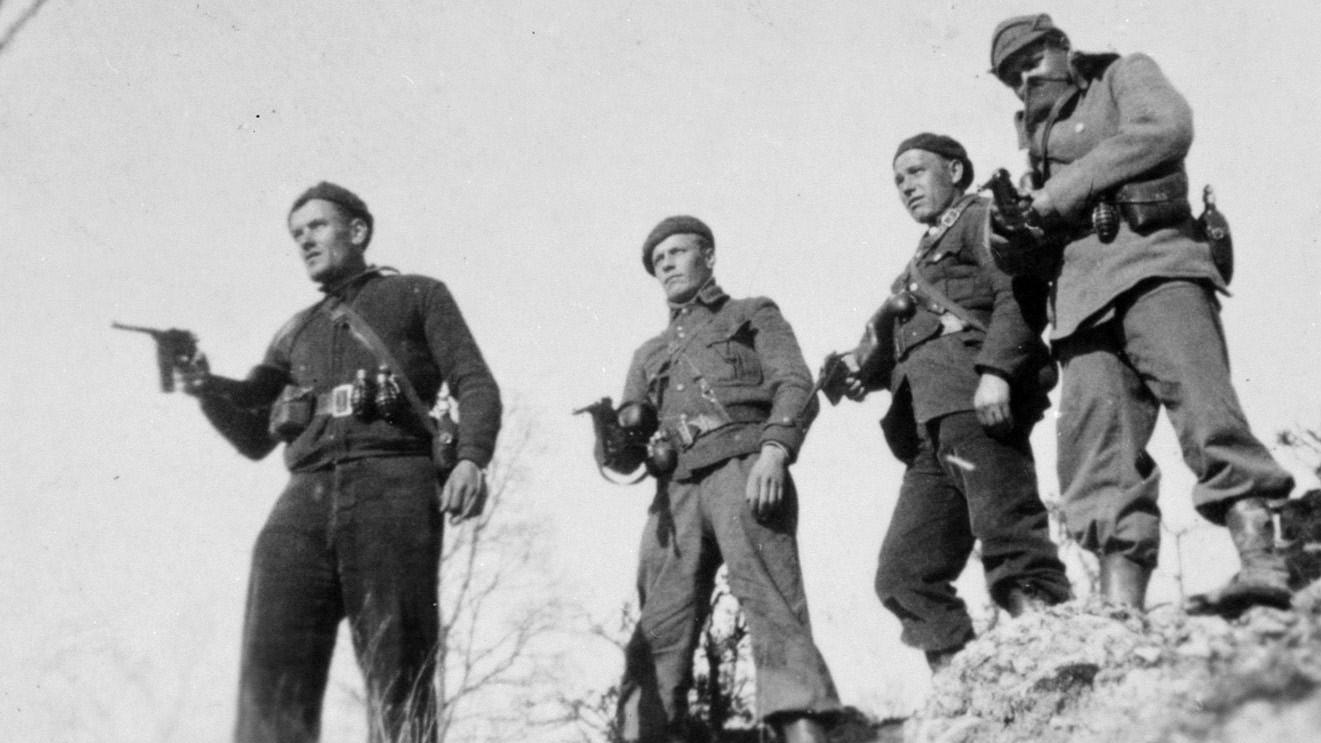
This documentary features the story of Jules Paivio, the last living Canadian volunteer of the infamous Mackenzie-Papineau Battallion of the “International Brigades”. When Jules left from his home near Port Arthur (Thunder Bay), Ontario, his father, a famous Finnish poet, wrote a lasting lament: “To My Son In Spain”. In 1936-37, 1700 Canadians volunteered to fight with the Spanish people against a fascist coup d’etat led by elements of the Spanish Army. Backed by Musselini and Hitler, the fascists were bent on overthrowing Spain’s democratically elected socialist government and replacing it with military and church rule. It could be argued this conflict marked the true beginning of what would become World War II.
Status
Released
Original Language
EN

When Allied forces liberated the Nazi concentration camps in 1944-45, their terrible discoveries were recorded by army and newsreel cameramen, revealing for the first time the full horror of what had happened. Making use of British, Soviet and American footage, the Ministry of Information’s Sidney Bernstein (later founder of Granada Television) aimed to create a documentary that would provide lasting, undeniable evidence of the Nazis’ unspeakable crimes. He commissioned a wealth of British talent, including editor Stewart McAllister, writer and future cabinet minister Richard Crossman – and, as treatment advisor, his friend Alfred Hitchcock. Yet, despite initial support from the British and US Governments, the film was shelved, and only now, 70 years on, has it been restored and completed by Imperial War Museums under its original title "German Concentration Camps Factual Survey".

Canadian actress and filmmaker Sarah Polley investigates certain secrets related to her mother, interviewing a group of family members and friends whose reliability varies depending of their implication in the events, which are remembered in different ways; so a trail of questions remains to be answered, because memory is always changing and the discovery of truth often depends on who is telling the tale.