
User Score
0 votes
In the 1930s tensions between the government and the Indigenous peoples of Australia's north were on a knife-edge. Donald Thomson, an anthropologist, volunteered to go to Arnhem Land to make peace. For over two years, he lived with the Aboriginal people, forging strong bonds, learning and recording their way of life. His report to the government outlined a vision of land rights and other measures to protect a unique yet fragile culture - it was ignored. Ostracised by politicians and fellow academics, Thomson never gave up the struggle for Aboriginal rights. Now, his extraordinary photographs, field notes and artefacts are considered one of the most significant ethnographic collections in the world.
Director
Writer
Status
Released
Original Language
EN
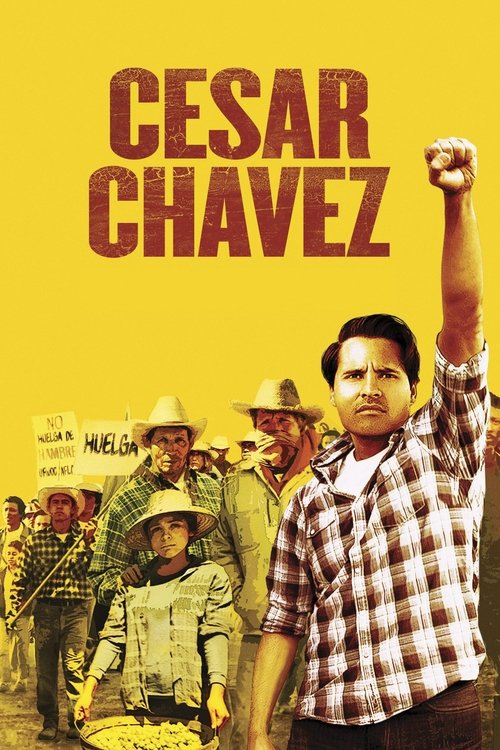
A biography of the civil-rights activist and labor organizer Cesar Chavez. Chronicling the birth of a modern American labour movement, Cesar Chavez tells the story of the famed civil rights leader and labour organiser torn between his duties as a husband and father and his commitment to securing a living wage for farm workers. Passionate but soft-spoken, Chavez embraced non-violence as he battled greed and prejudice in his struggle to bring dignity to working people.