

User Score
0 votes
Referring to two historical events during World War II in Taiwan under Japanese colonial rule, they explore the performative relationship between ‘gestures’ and ‘horror’: For the memorial ceremonies at the zoo to commemorate animals that died during military operations, animals such as elephants and orangutans were trained to kneel down as a gesture of mourning. The other reference in their conversation is the execution of dozens of animals at the Yuanshan Zoo in Taiwan in 1944, intended to prevent civilian casualties caused by animals after the US military had bombed the cities. These unfortunate animals were later turned into taxidermy. Drawing on these historical observations, ‘The Zoo Hypothesis’ explores the role of technology in archiving the world and constructing human memory. At its center lie the tense relationships between animals and humans, and between matter and memory.
Director
Status
Released
Original Language
EN
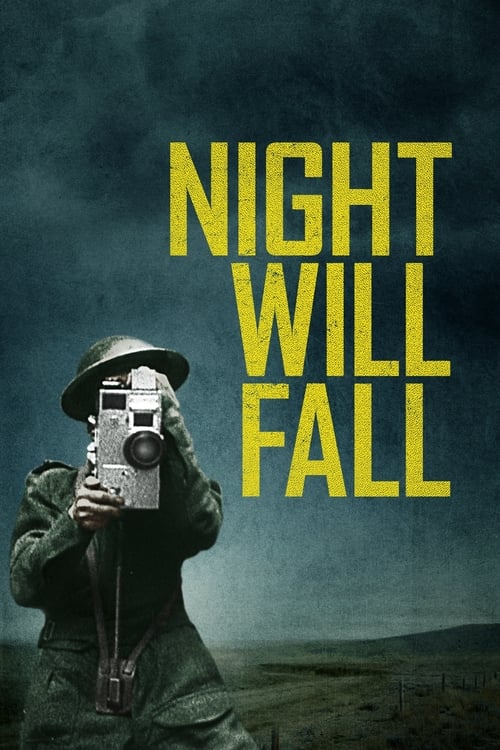
When Allied forces liberated the Nazi concentration camps in 1944-45, their terrible discoveries were recorded by army and newsreel cameramen, revealing for the first time the full horror of what had happened. Making use of British, Soviet and American footage, the Ministry of Information’s Sidney Bernstein (later founder of Granada Television) aimed to create a documentary that would provide lasting, undeniable evidence of the Nazis’ unspeakable crimes. He commissioned a wealth of British talent, including editor Stewart McAllister, writer and future cabinet minister Richard Crossman – and, as treatment advisor, his friend Alfred Hitchcock. Yet, despite initial support from the British and US Governments, the film was shelved, and only now, 70 years on, has it been restored and completed by Imperial War Museums under its original title "German Concentration Camps Factual Survey".
A visual montage portrait of our contemporary world dominated by globalized technology and violence.