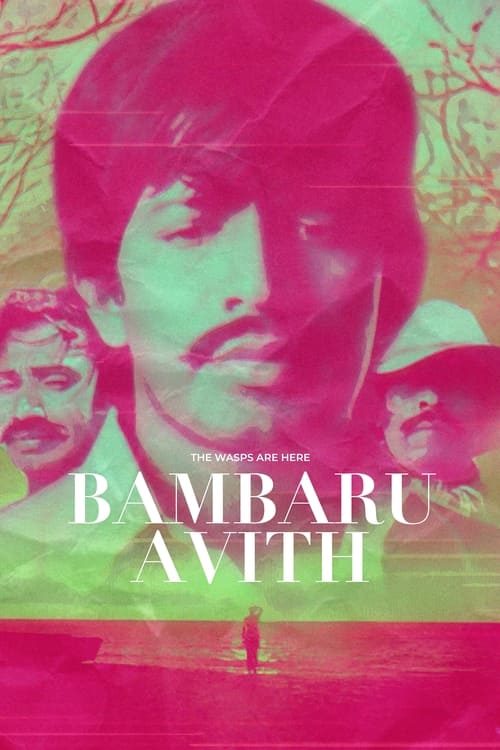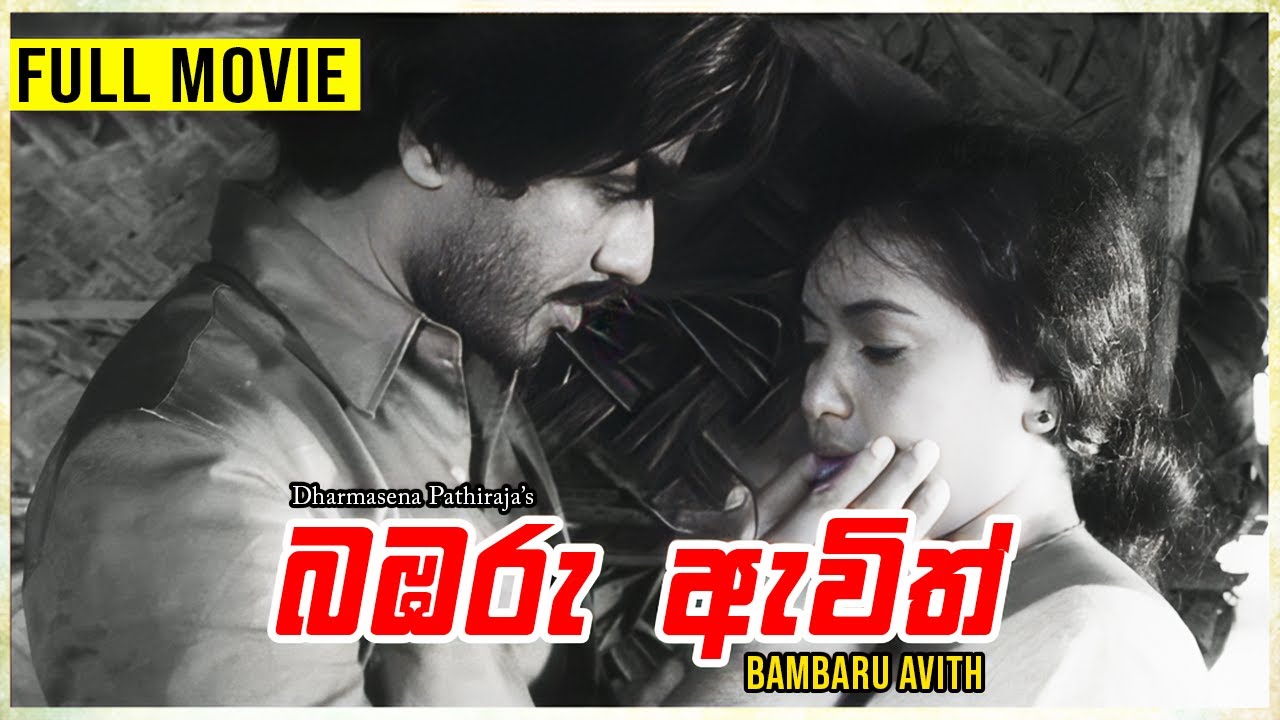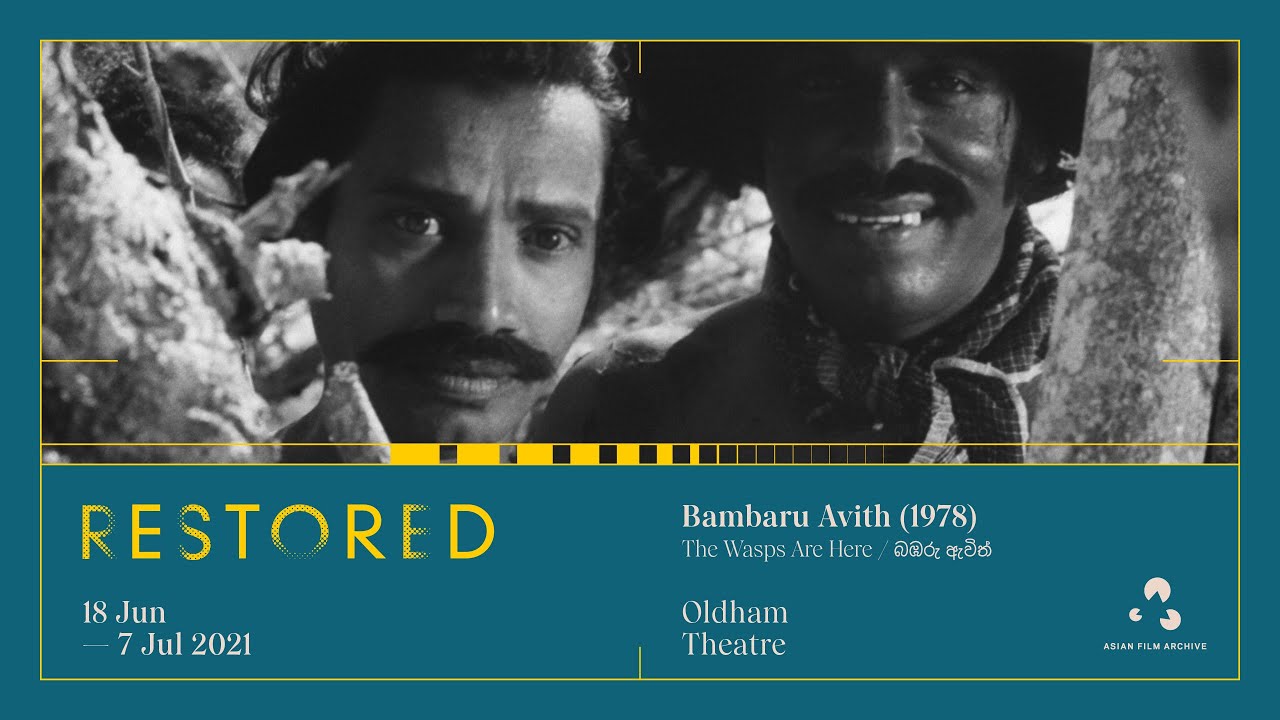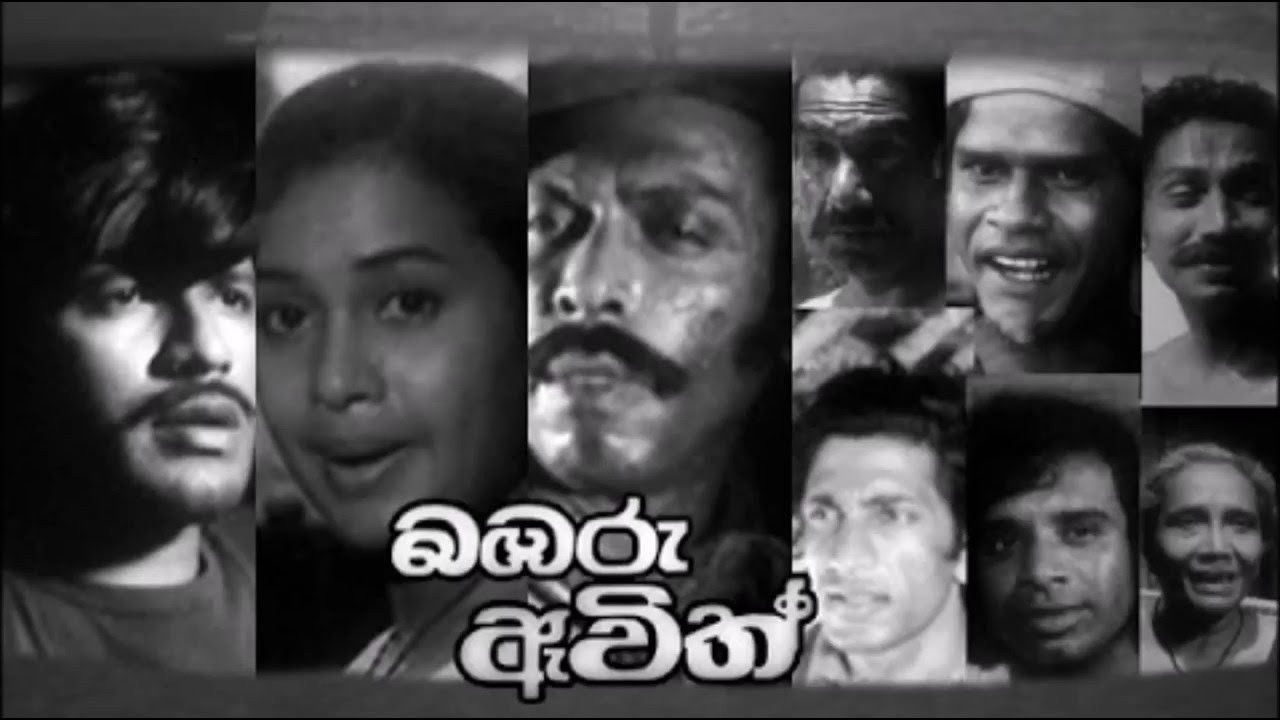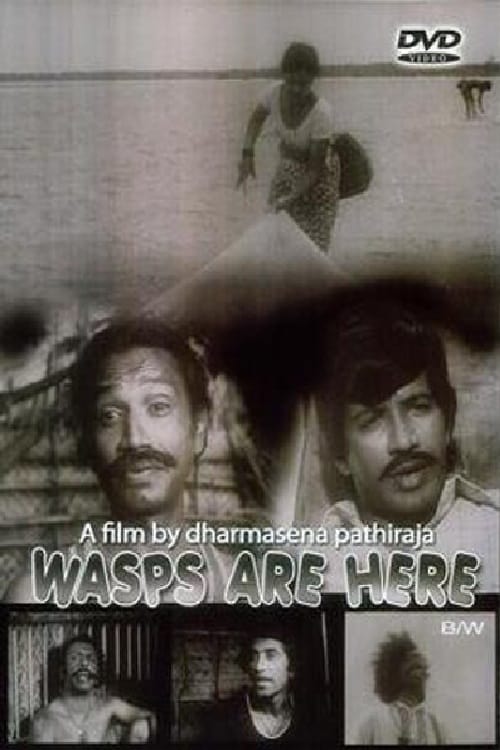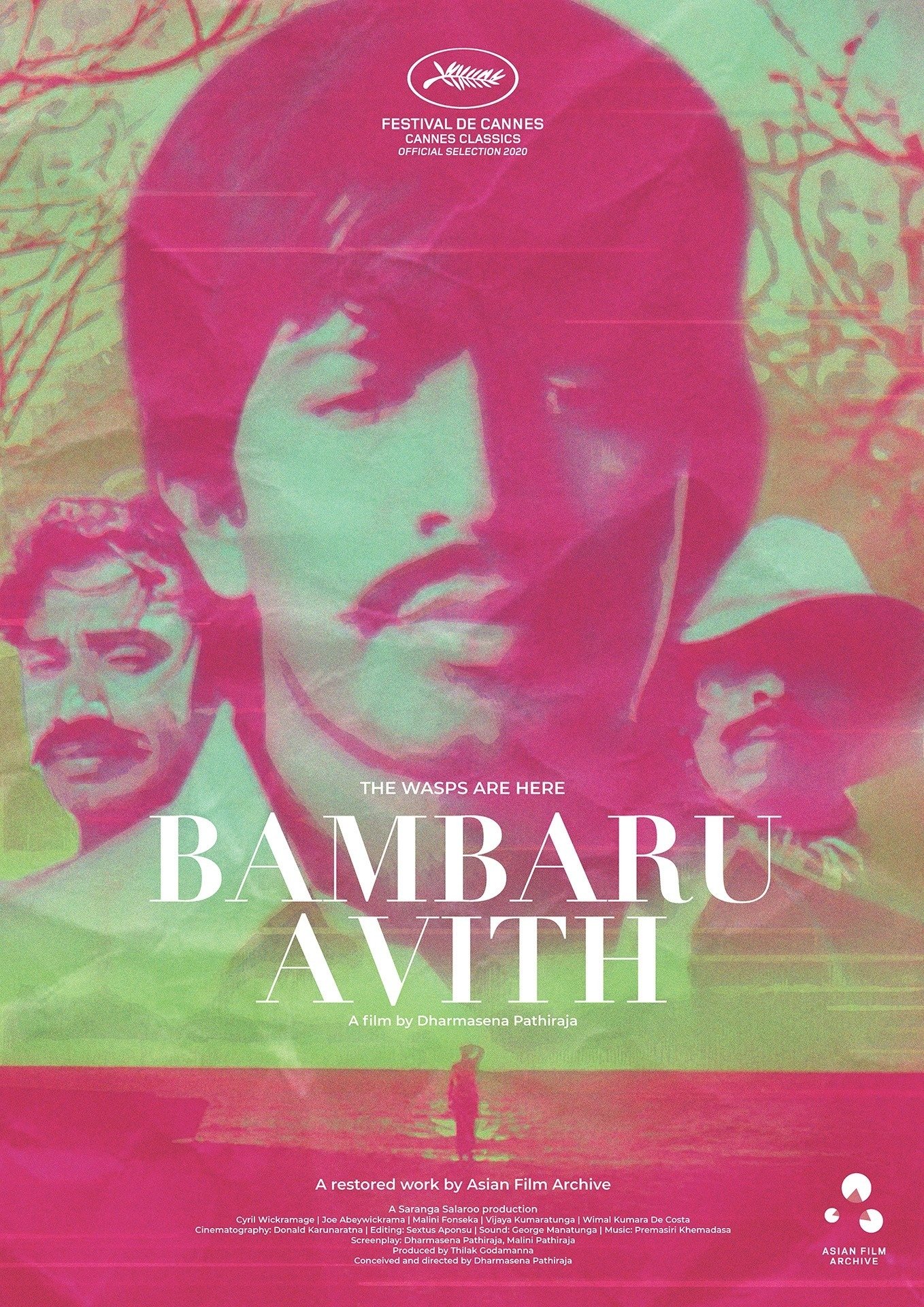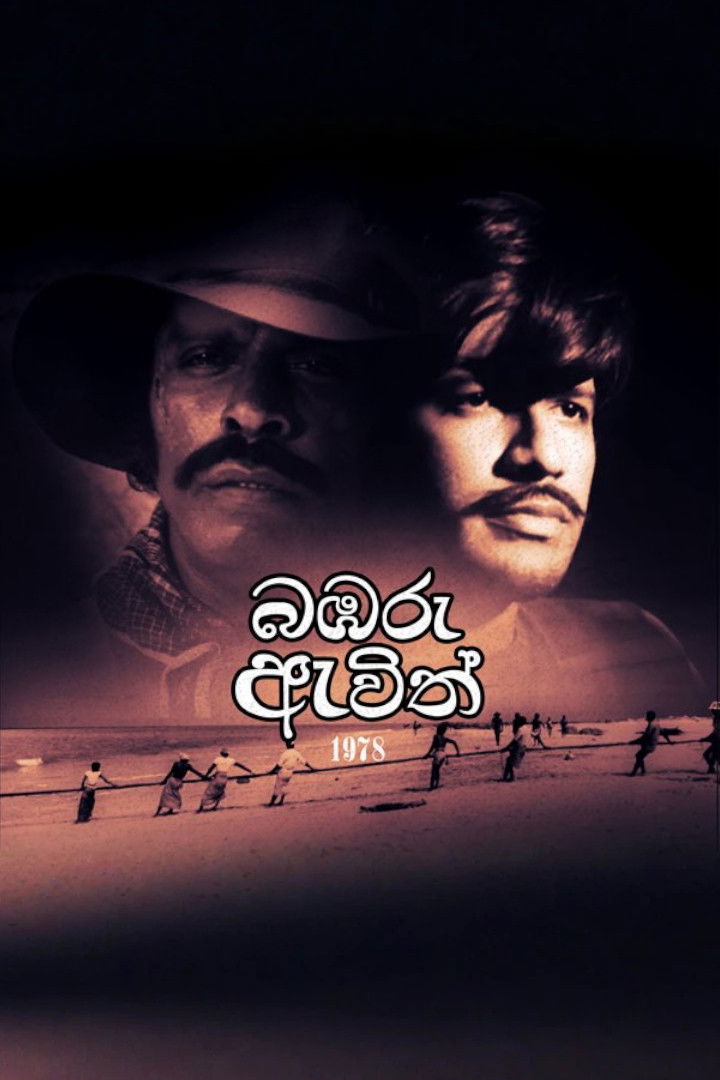
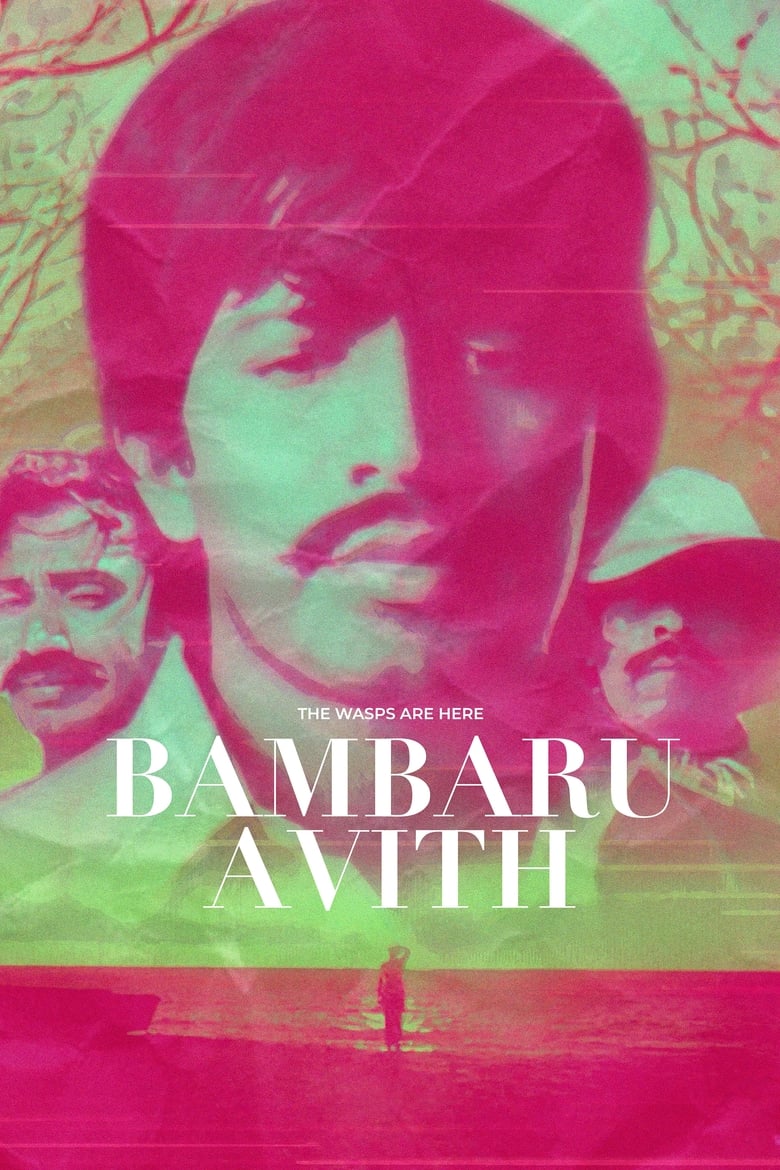

In a fishing village, Anton Aiya is an exploiter who outwardly resembles and acts like a regular fisherman, but he exploits and feeds off the other fishermen. In this setting, members of the urban entrepreneurial youth. They have adapted to Western culture, dressing like Westerners and preferring Western music. Conflict arises between Anton Aiya and Baby Mahattaya (Victor), a representative of the urban youth. A middle-class leftist, Weerasena, is also part of this group. The arrival of these youths has clearly caused a social crisis requiring a solution, and all Weerasena can do is stand on a platform and deliver a speech that no one listens to. He finally leaves for the city.
Status
Released
Original Language
SI
A woman on the run from the mob is reluctantly accepted in a small Colorado community in exchange for labor, but when a search visits the town, she learns that their support has a price.