
User Score
0 votes
The Wall is a film originally intended to be screened in the run-up to Belgium's national elections in the spring of 1968. In that year, the tensions between the Dutch- and French-speaking communities were marked by often violent demonstrations and the threat of splitting the country. The story plays with fact and fiction by interweaving found footage of news reports with staged scenes. The main character is the wall which, similar to the division of Berlin, is erected through the centre of Brussels. Although the film was made by the team that compiled cinema newsreels for the company Belgavox, the influence of Henri Storck—the pioneer of poetic realism in the Belgian documentary film—is omnipresent in the camerawork, framing and editing, as well as in the use of amateur actors and filming in the street.
Director
Status
Released
Original Language
NL
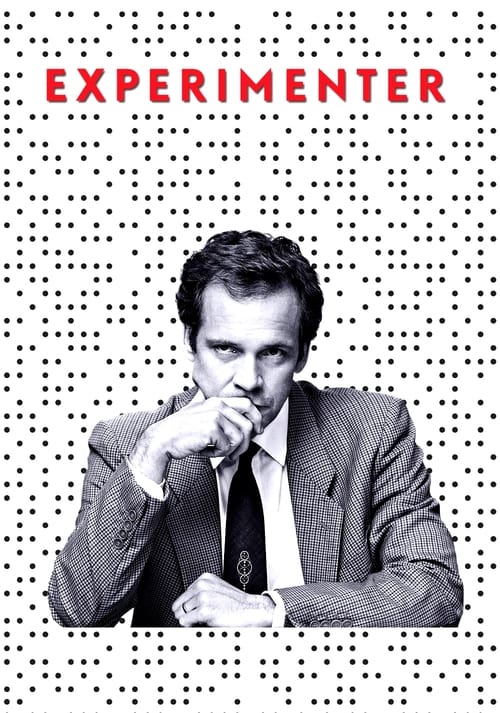
Yale University, 1961. Stanley Milgram designs a psychology experiment that still resonates to this day, in which people think they’re delivering painful electric shocks to an affable stranger strapped into a chair in another room. Despite his pleads for mercy, the majority of subjects don’t stop the experiment, administering what they think is a near-fatal electric shock, simply because they’ve been told to do so. With Nazi Adolf Eichmann’s trial airing in living rooms across America, Milgram strikes a nerve in popular culture and the scientific community with his exploration into people’s tendency to comply with authority. Celebrated in some circles, he is also accused of being a deceptive, manipulative monster, but his wife Sasha stands by him through it all.