
User Score
22 votes
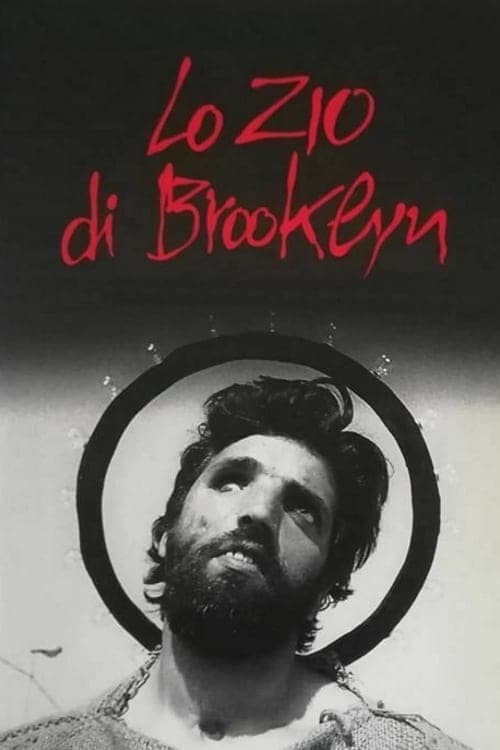
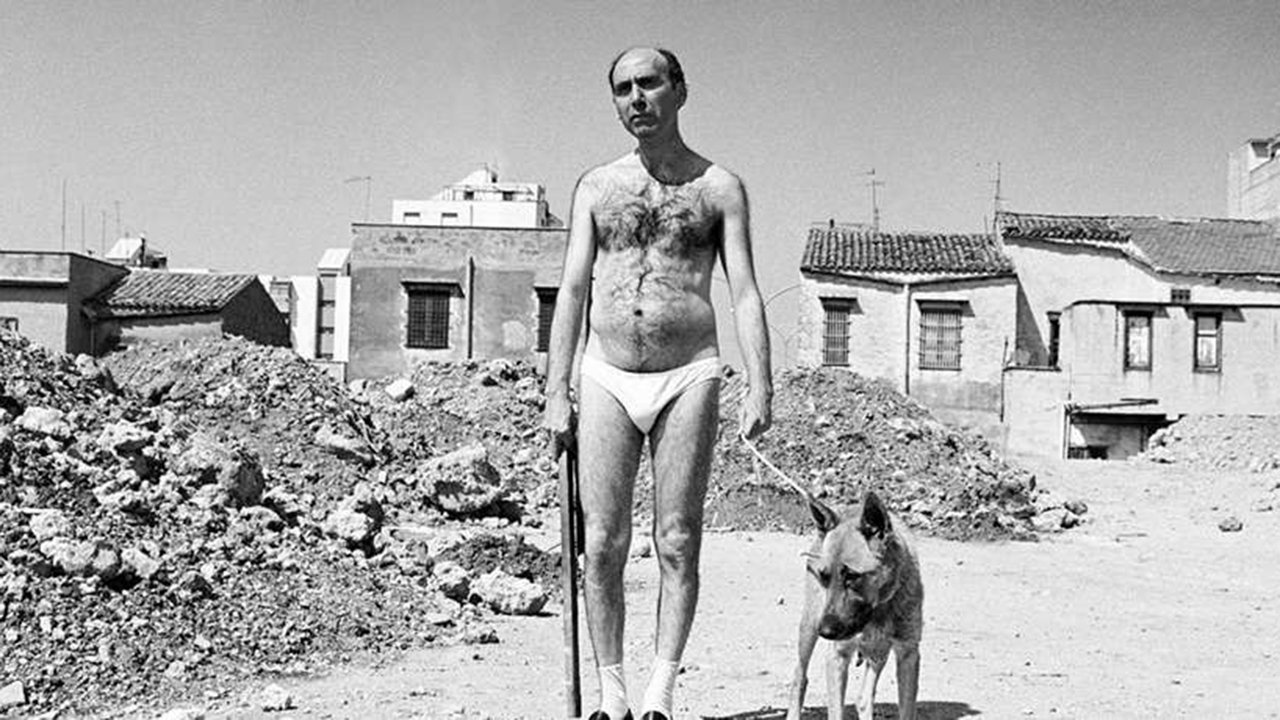
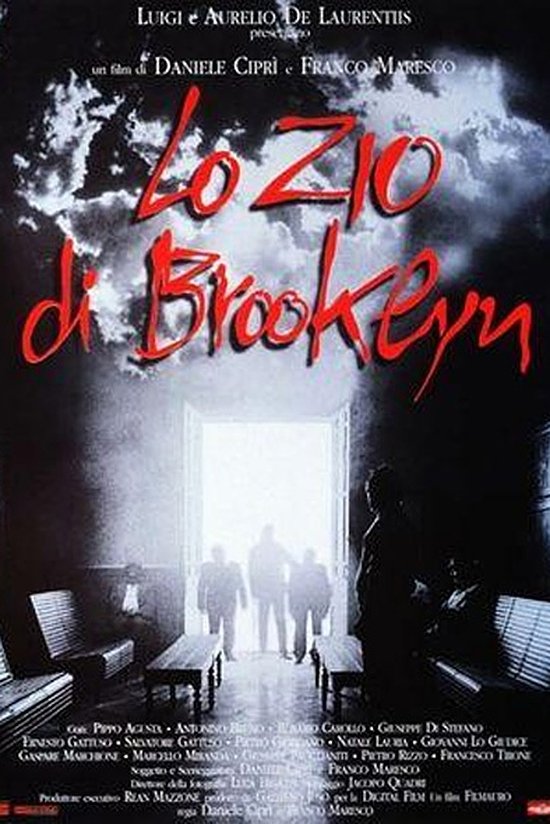
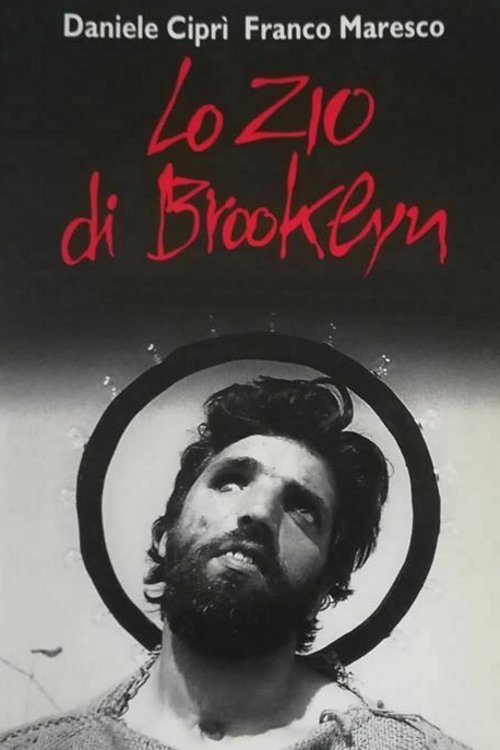
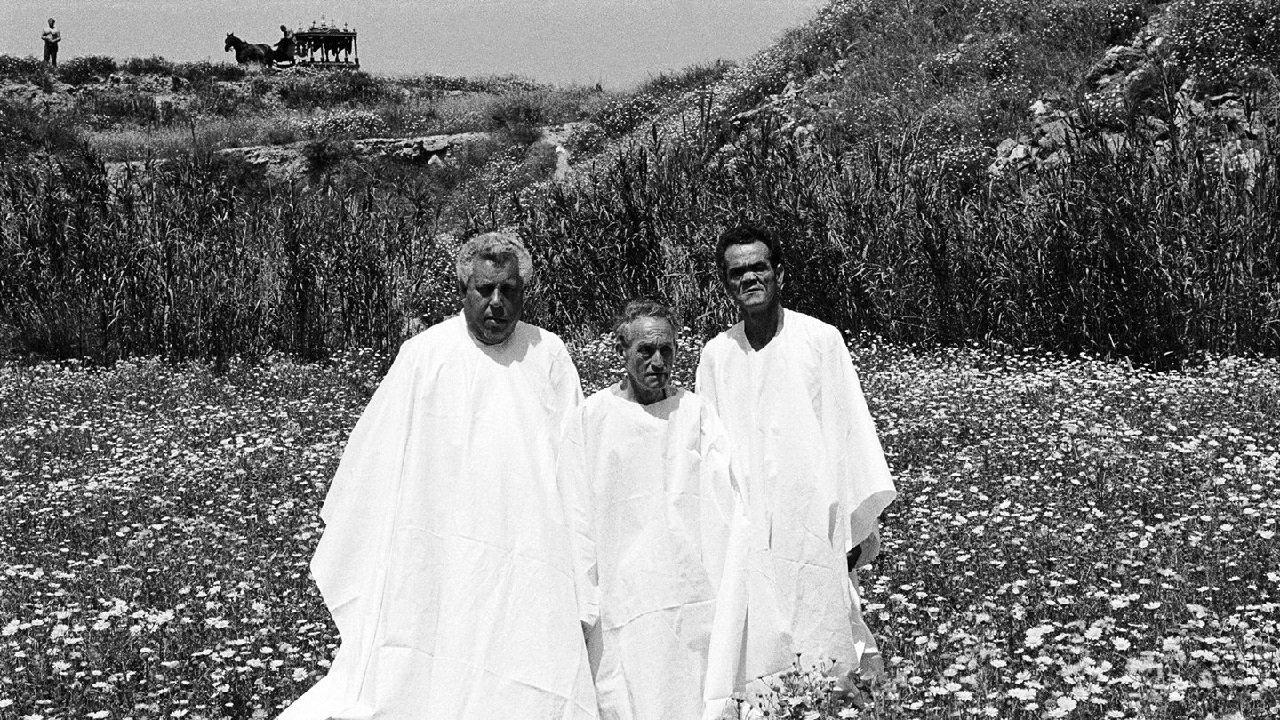
The best italian film of the 90's, the most extreme and radical work since SALO', a ruthless representation, in a surreal-metaphorical key, of a civilization condemned to worshipping its own blindness. The two sicilian directors use a language free from compromise and from the traditional storyline rules: the movie is photographed in a sharp and very contrasting black & white, with no beautiful pimp music, and lacks a logical story. There are no women (the ones we see are actually men), and the language is strict sicilian dialect. The directing style is characterized by long fixed shots on a post-atomic world, which is really present-day Palermo, inhabited by fat people in socks and underwear who burp and fart while roaming around smelly alleyways and waste dumps.
Director
Director
Writer
Writer
Story
Status
Released
Original Language
IT

The film has three stories. First is about local village idiot Paletta, who can not afford the services of a whore and so steals a locket from a holy shrine belonging to local mafia don. Second shows the story of betrayal of Pitrinu (who's dead now) by his lover Fefe. Final episode is about lowlife Lazarus. He is killed by mob boss Toto, but raised from the dead by a local messiah, who is also known as Toto (and is played by same actor).

Iachino Gemelli
In the Sicily of the late 1940s, two brother sculptors, tired of selling madonnas to the local churches, finally realize their dream, and set up a Sicilian production company, thanks to the help of a local bishop. They start producing one box-office failure Z-movie after the other, all with terribly bad local non-pros as actors. Covered in debts, they finally have their great chance, when a local nobleman obsessed by magic decides to invest all his wealth in the making of a movie about Cagliostro, just one year after Orson Welles' Black Magic (1949). They hire a famous American actor (Robert Englund) and start shooting "The Return of Cagliostro".