

User Score
20 votes
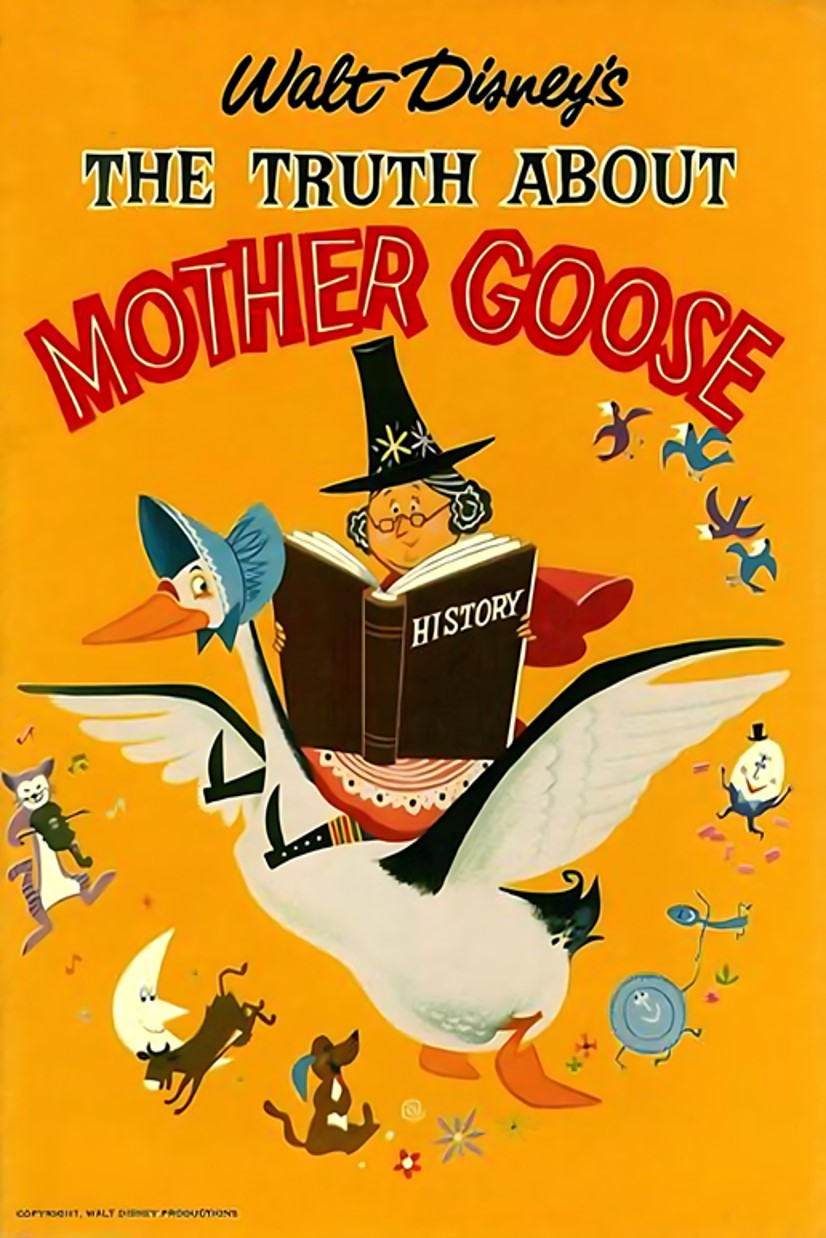
We learn the true stories behind various nursery rhymes. Little Jack Horner: a servant to a city official was delivering a present to King Henry VIII, baked, as was the custom of the time, in a pie. The present was the deed to a valuable estate, which Horner stole. Mary, Mary, Quite Contrary: Mary Stuart brought "quite contrary" French style to the Scottish court. After a series of disastrous romances, she was jailed; the jailer's son, captivated by her, helped her escape. After a brief but disastrous attempted coup, she fled to England, where her sister, Queen Elizabeth, soon grew jealous and had her imprisoned. London Bridge: The bridge, finished in 1209, was soon lined by shops with luxury apartments upstairs, turning into a popular commercial and cultural zone. The Great Fire that broke out in 1666 spread to the bridge, but the houses were rebuilt. Over the ages, things decayed. In 1823, things finally got bad enough that the bridge was demolished and replaced.
Status
Released
Original Language
EN
Three sleepy babies in a clog-boat sailing through the night sky attempt to fish with candy canes for very smart fish.