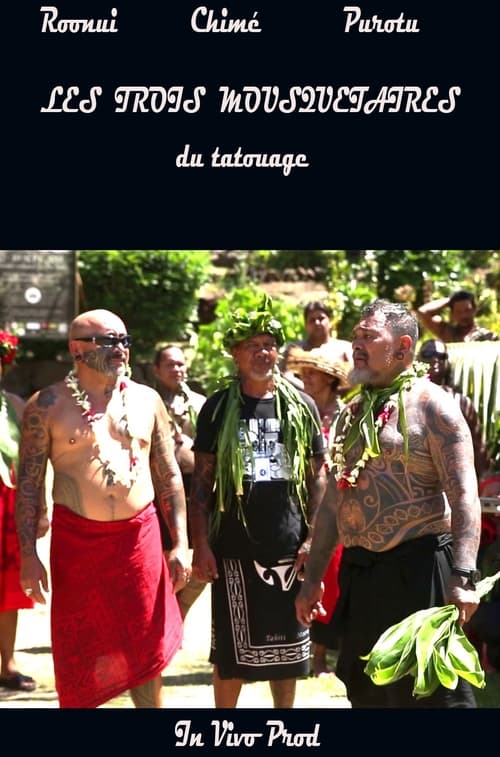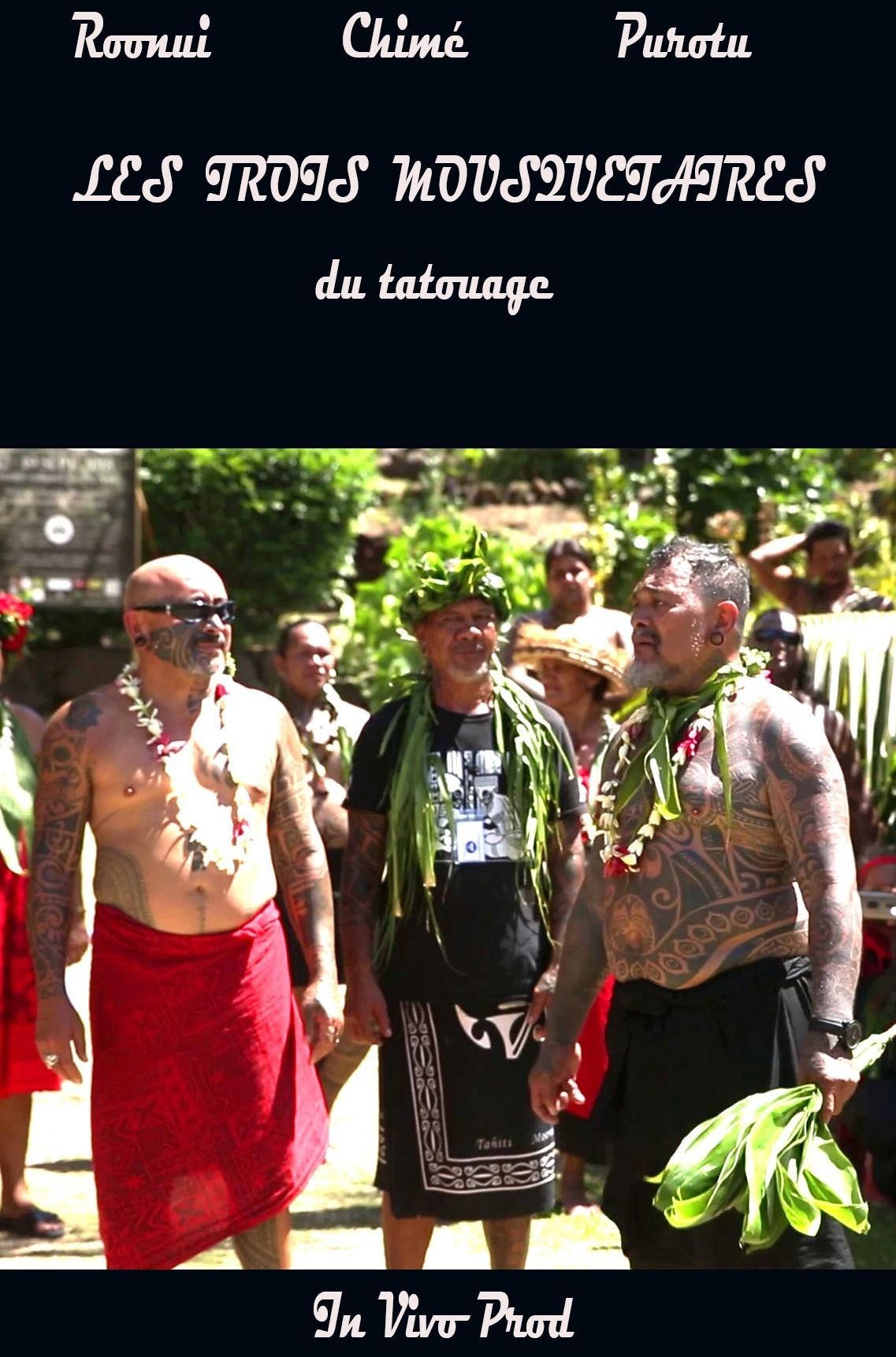
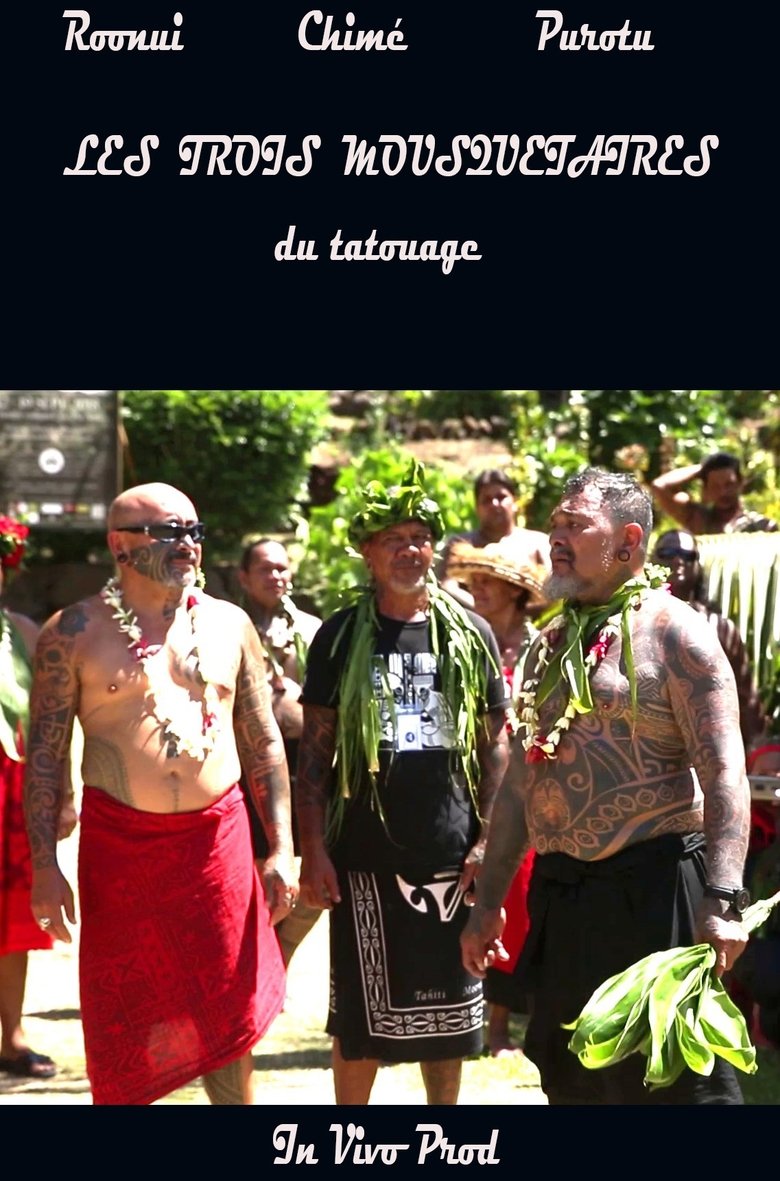

“This film tells the story of the rebirth of Polynesian tattooing, then its expansion, told by the three greatest masters of Polynesian tattooing.”
Roonui Anania, Chimé and Purotu started tattooing themselves and tattooing in the street, by snatch, that means with sewing needles attached to match sticks, then electric razors. Indian ink in a beer cap and off we went. Then Tavana Salmon brought back the first pig tooth combs, which they were not able to use for long due to hygiene. Impossible to sterilize. We had to go back to the electric razor, look for solutions. This film tells the story of the rebirth of Polynesian tattooing, then its expansion, told by the three greatest masters of Polynesian tattooing.
Director
Writer
Status
Released
Original Language
FR
Budget
$13,500
Himself
A visual montage portrait of our contemporary world dominated by globalized technology and violence.