

User Score
6 votes
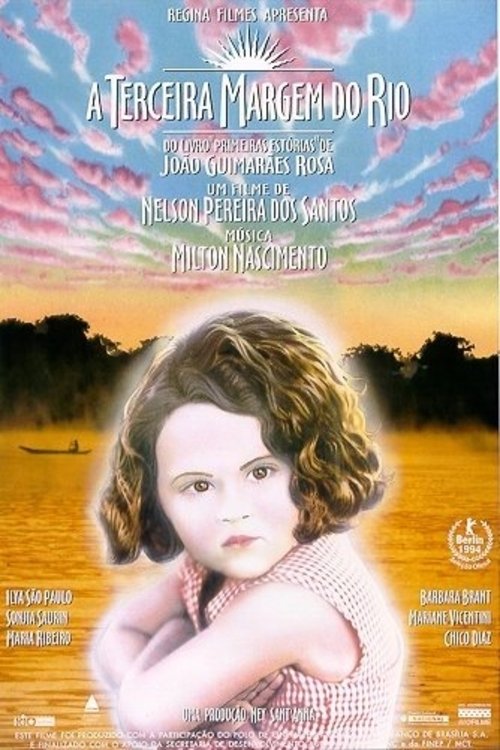
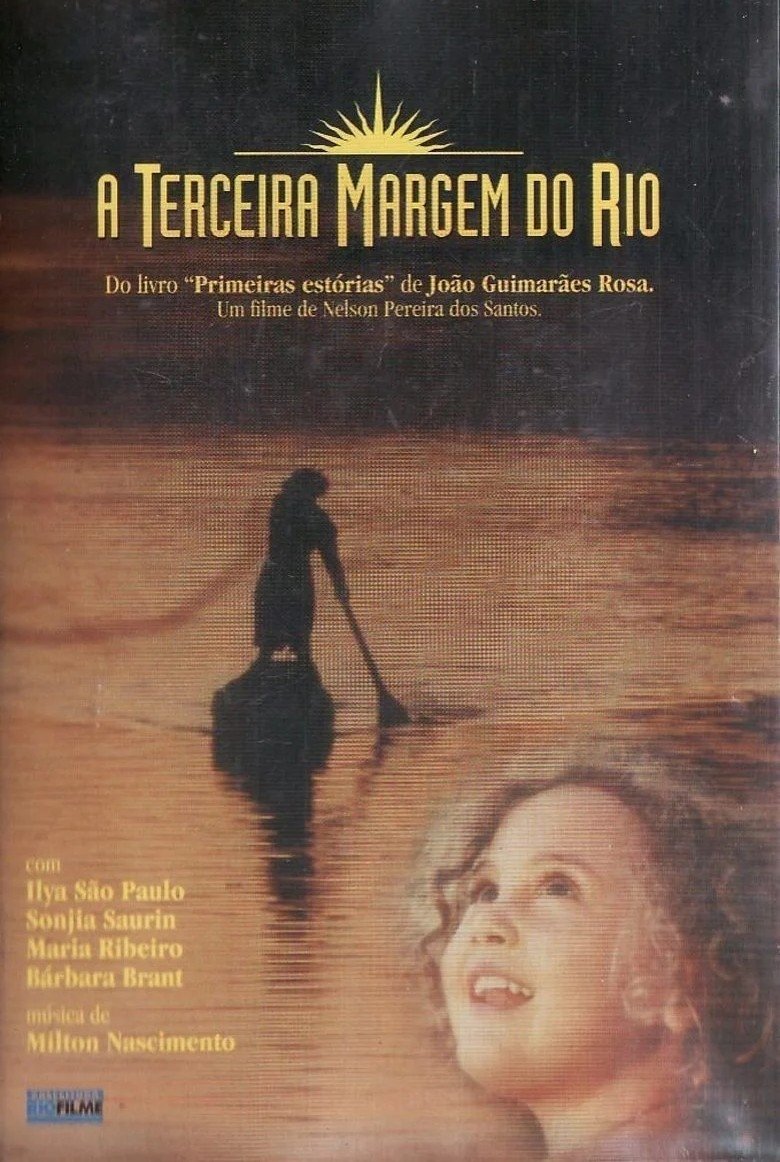
After an extended period directing original screenplays, dos Santos returned to the creative engagement with literature that was the wellspring of his early masterpieces, offering a combinatory adaptation of five stories by the renowned Brazilian novelist João Guimarães Rosa. Openly embracing a mode of magical realism, dos Santos' celebrated film tells the story of a farming family defined by the absence of its father who abruptly abandoned his wife and children, sailing away down the river, including his son who continues to communicate with his father, speaking daily to him from the river bank. While offering an evocative vision of rural Brazil as a timeless land of mystery and solemnity, The Third Bank of the River is also bitingly satiric in the remarkable depiction of religious belief when the family moves to the city and its youngest member, a mesmerizing little girl, is revealed to be a kind of saint, capable of miraculous acts. -Harvard Film Archive
Director
Screenplay
Status
Released
Original Language
PT
A bureaucrat interviews five souls to decide which of them will be given a life on Earth. But he soon faces an existential challenge of his own.