User Score
10 votes
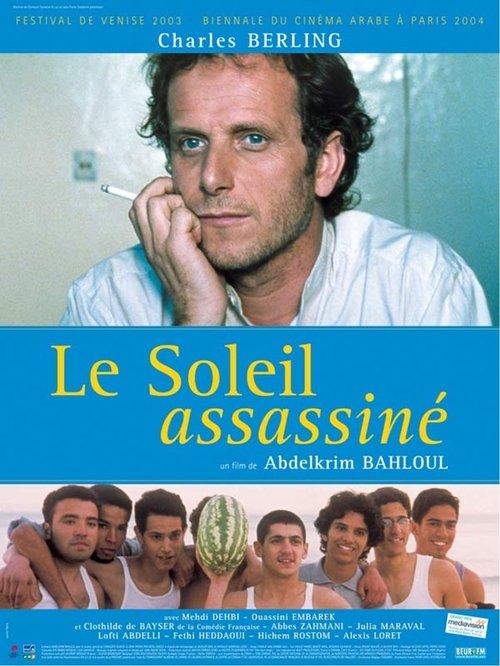
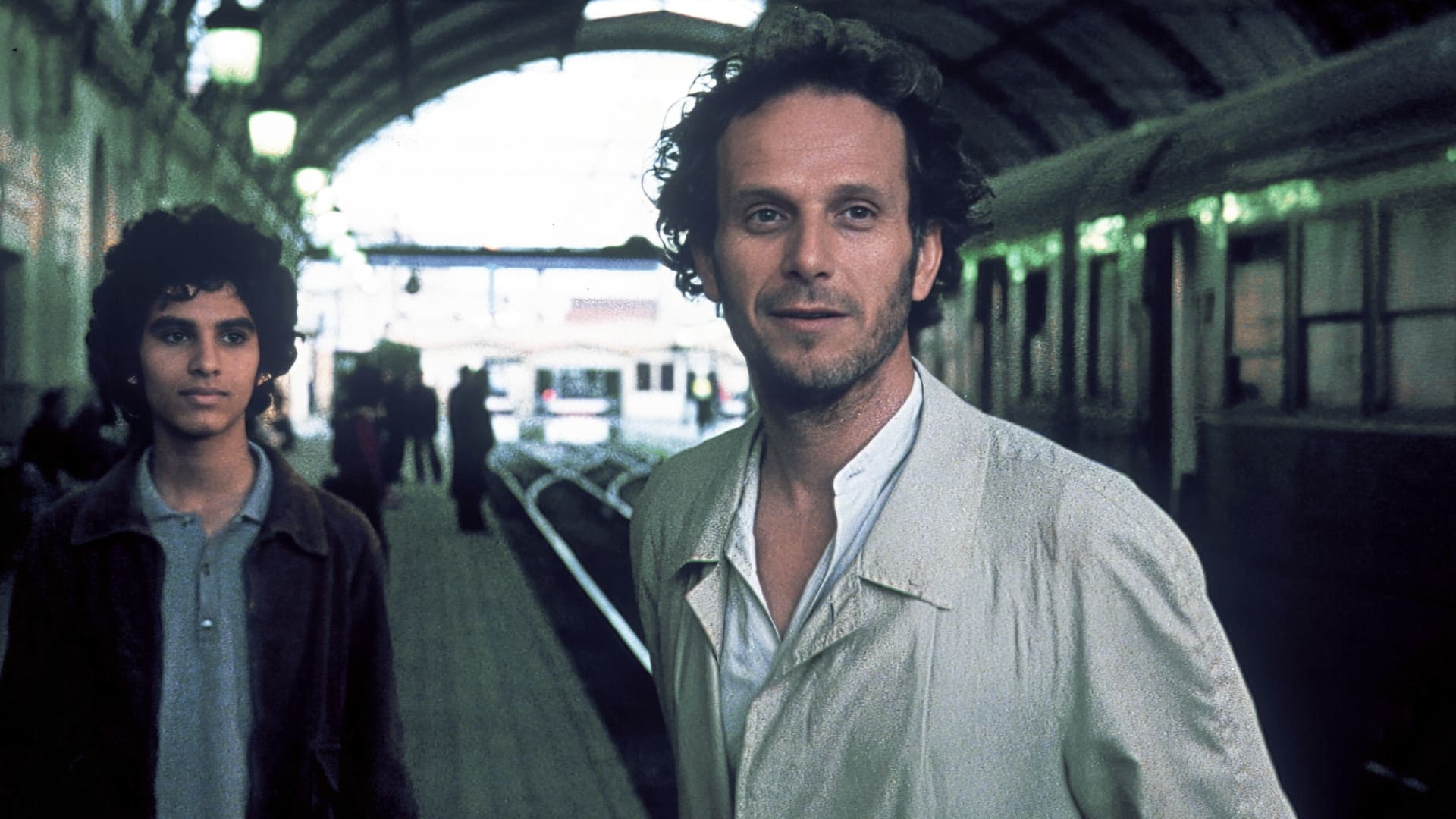
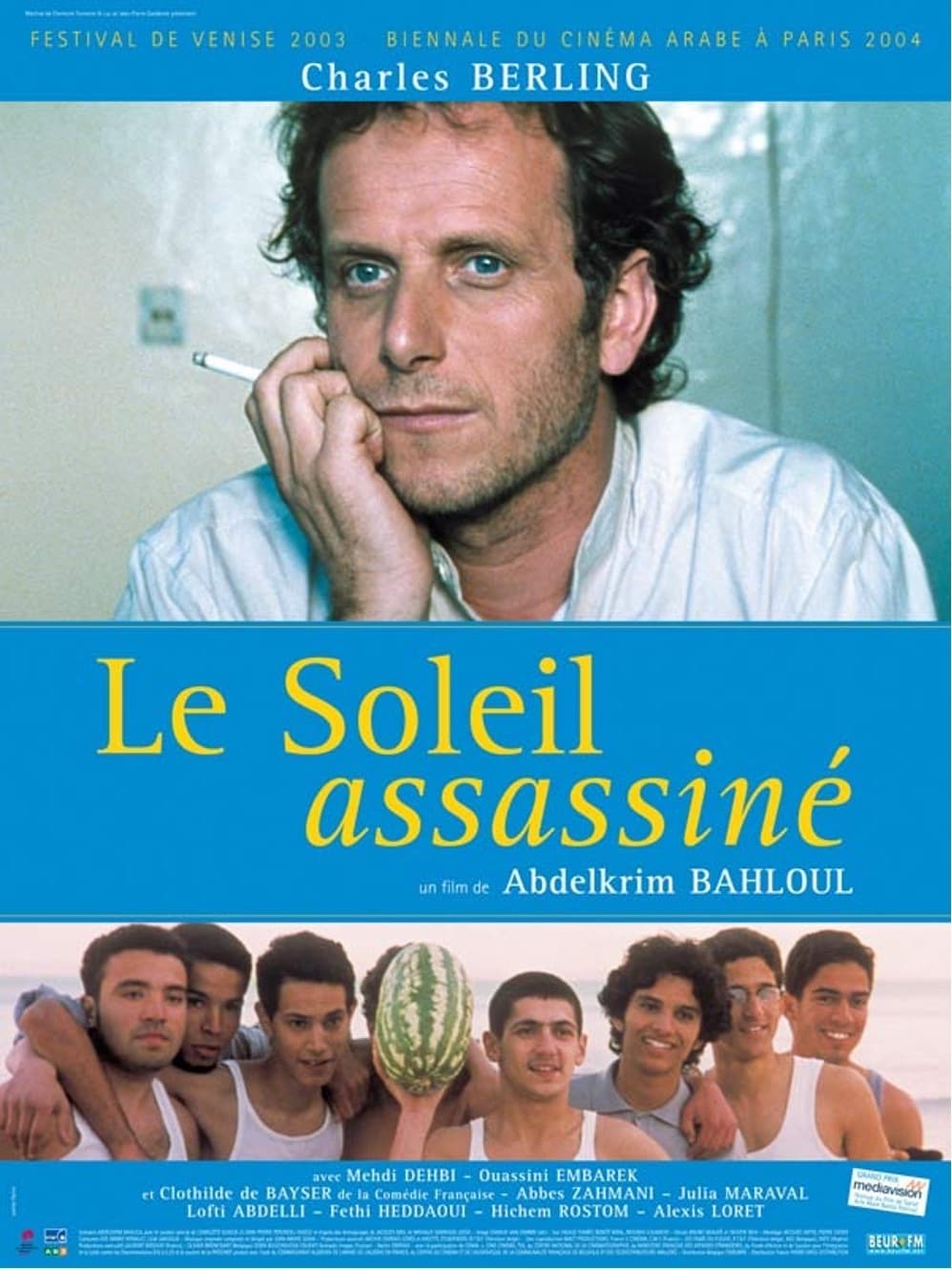
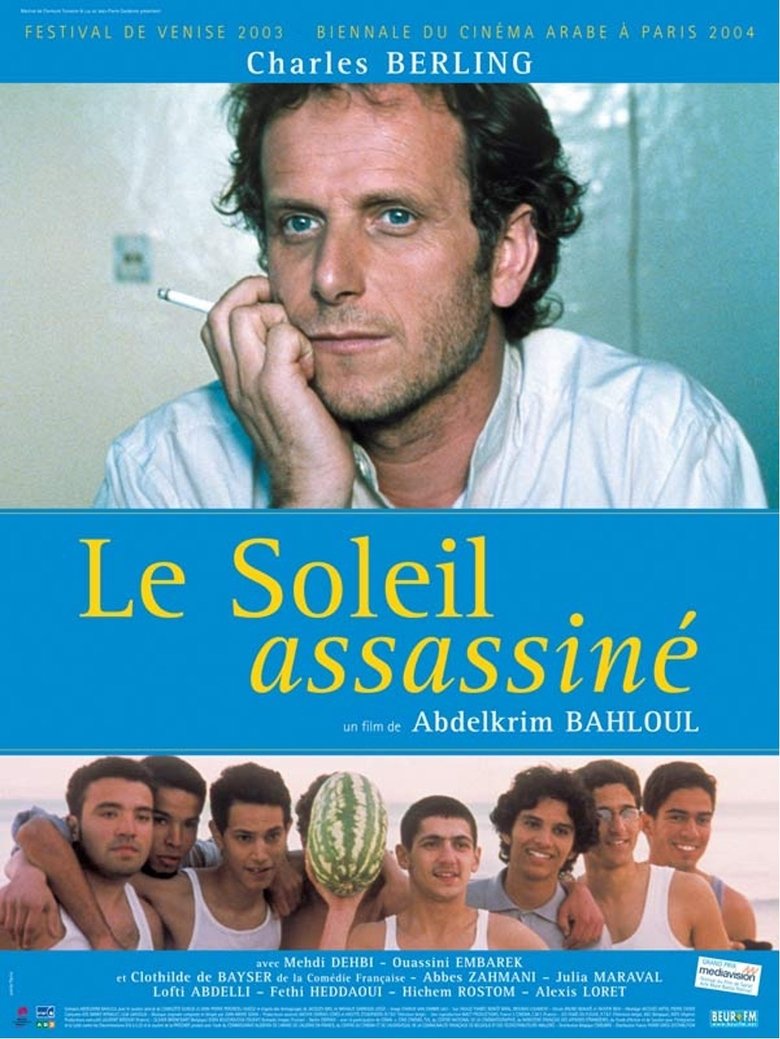
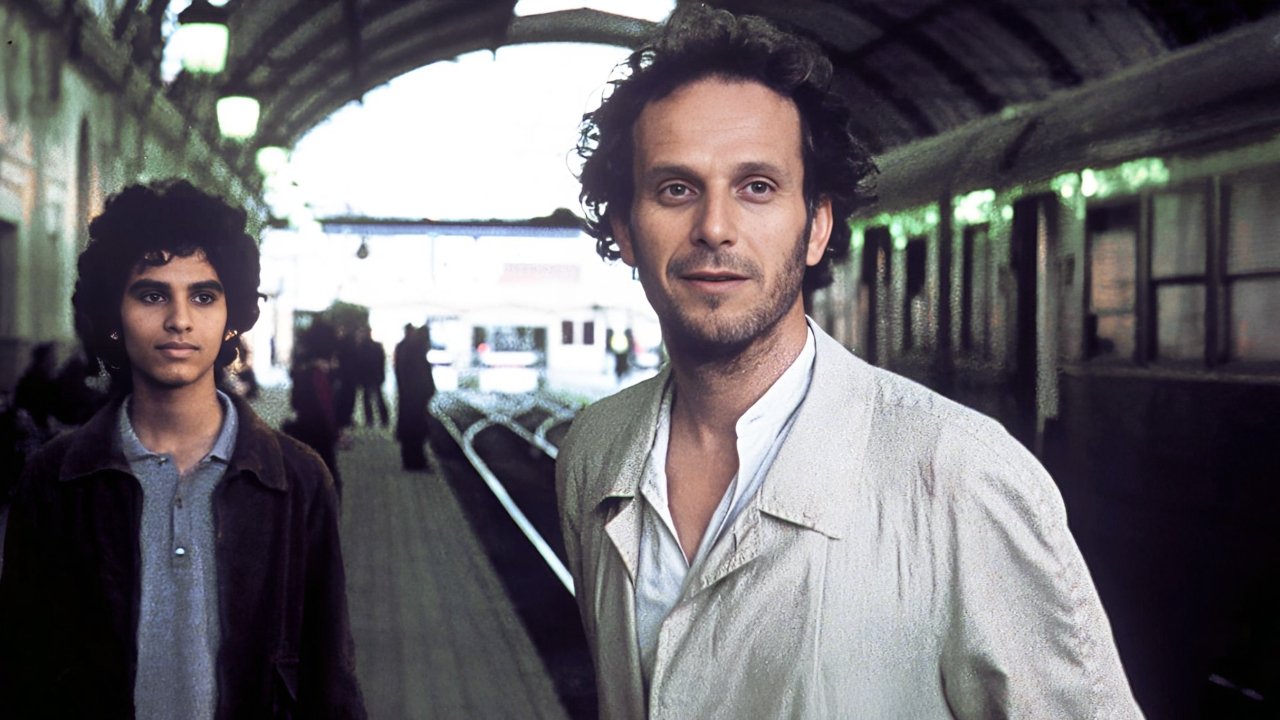
The poet Jean Sénac, also a radio host, chose to stay in Algeria after his country's independence in 1962. Ten years later, a protester and libertarian, he was monitored by the regime's police. His poems attract a popular audience and his show is a real success with young people. Also, when Hamid and Belkacem, two students, learn that the play they wrote and presented at the first national Algerian theater festival is downgraded under the pretext that they performed it in French, their pain will be alleviated by the presence behind the scenes by Jean Sénac who congratulates them. The latter will become close friends of the poet and witness his fight for the freedom and culture of Algerian youth. A fight which would lead Sénac to martyrdom: one night in August 1973, he was assassinated in the cellar which served as his apartment. Hamid is accused of the murder.
Status
Released
Original Language
FR
Othmane
As the Algerian War draws to a close, a teenager with a girlfriend starts feeling homosexual urges for two of his classmates: a country boy, and a French-Algerian intellectual.