
User Score
0 votes
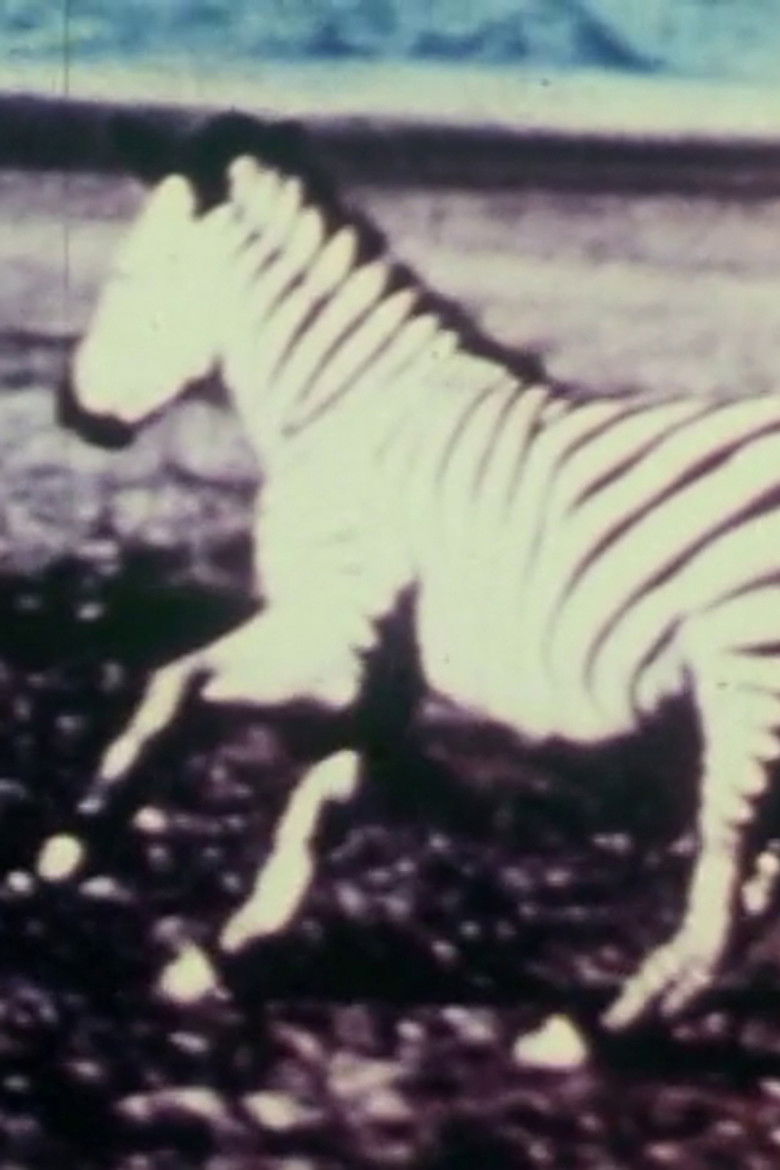
When I was editing my last film, ANIMALS RUNNING, a collection of images grouped themselves together but refused to be included in the film. I spliced them together and put them aside. At the same time I was experimenting with sound loops, inspired by John Lilly's work with dolphin language. Briefly, he discovered that when exposed to a repeating loop in a relaxed atmosphere, a subject would begin to hear sounds or words other than those recorded. I made some loops and found that the phrase "the struggle of the meat" was a particularly evocative one.
Director
Status
Released
Original Language
EN
Carefully picked scenes of nature and civilization are viewed at high speed using time-lapse cinematography in an effort to demonstrate the history of various regions.