

User Score
0 votes
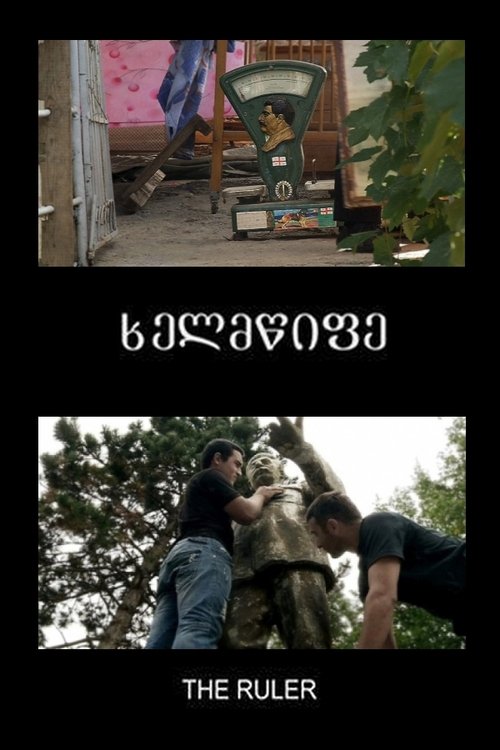
Stalin’s statue in the garden of a nunnery provokes discussion – plenty of it – in a small Georgian village. Some of the locals used to know Stalin personally because he visited the village several times when he was young, and they continue to see him as a benign ruler from the good old days rather than the brutal dictator he was. Whenever an episode of purge shook the Soviet Union’s republics, they hid the statue in the woods. The church also plays an important role in people’s lives. All in all, the film reveals a fundamental conflict in Georgian society.
Director
Status
Released
Original Language
KA
A documentary on the expletive's origin, why it offends some people so deeply, and what can be gained from its use.