
User Score
5 votes
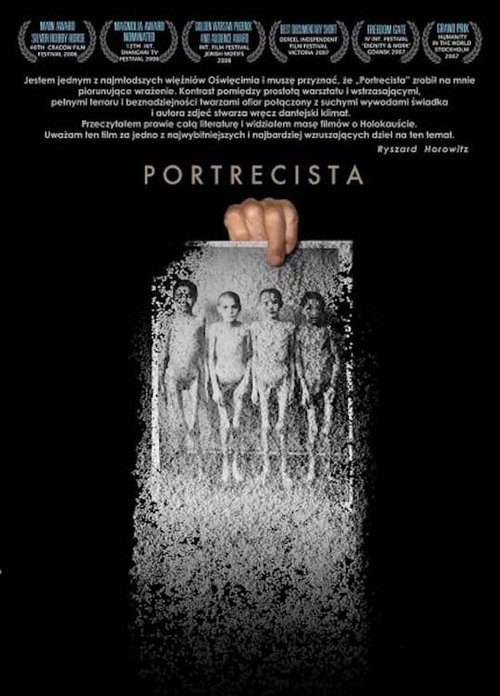
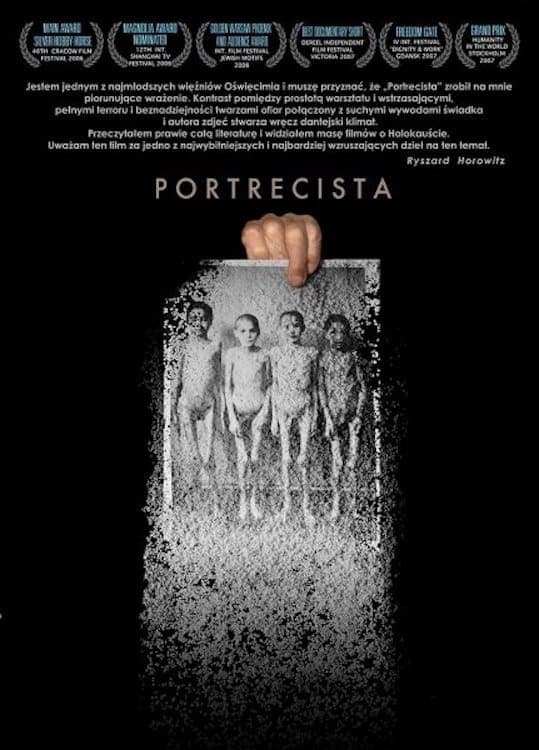
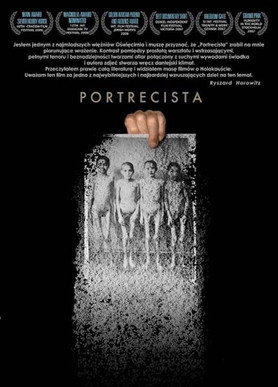
The film tells the story of Wilhelm Brasse - a pre-war portrait photographer, participant and witness of the most tragic chapters of 20th century history. "Portraitist" is the story of a photographer whose work became a curse and salvation at the same time during the war. Photography was Wilhelm Brasse's lifelong passion, and he had already learned its technical and artistic secrets before the war. He worked in a large atelier on the main street of Katowice, where he was famous for his beautiful portraits. At the time, he didn't even imagine that he would soon be making several thousand portraits a month. Brasse ended up in a special reconnaissance commando of the Political Department, known as the camp Gestapo. Here, under the supervision of the SS, he kept a photographic record of the camp from its inception to evacuation.
Director
Screenplay
Status
Released
Original Language
PL
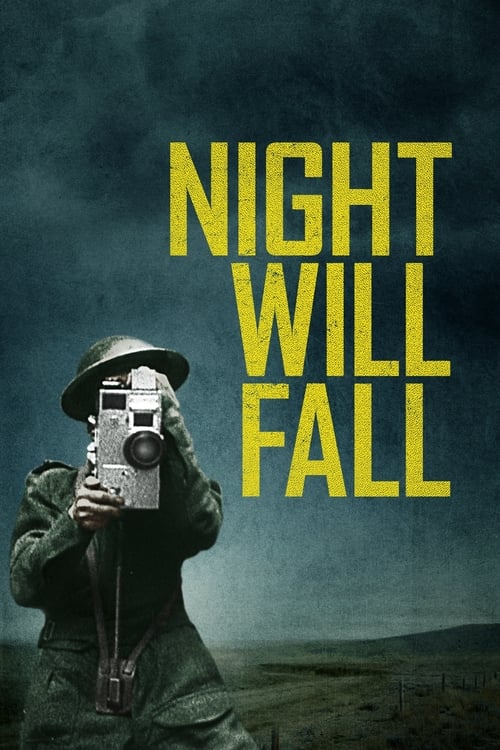
When Allied forces liberated the Nazi concentration camps in 1944-45, their terrible discoveries were recorded by army and newsreel cameramen, revealing for the first time the full horror of what had happened. Making use of British, Soviet and American footage, the Ministry of Information’s Sidney Bernstein (later founder of Granada Television) aimed to create a documentary that would provide lasting, undeniable evidence of the Nazis’ unspeakable crimes. He commissioned a wealth of British talent, including editor Stewart McAllister, writer and future cabinet minister Richard Crossman – and, as treatment advisor, his friend Alfred Hitchcock. Yet, despite initial support from the British and US Governments, the film was shelved, and only now, 70 years on, has it been restored and completed by Imperial War Museums under its original title "German Concentration Camps Factual Survey".
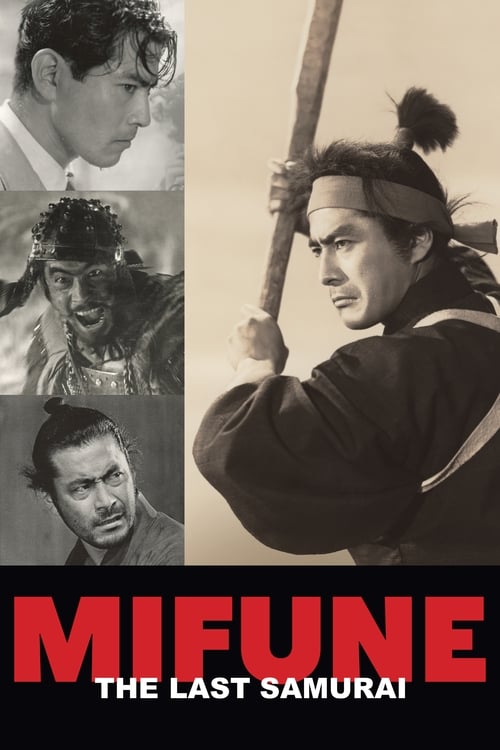
An account of the life and work of legendary Japanese actor Toshirō Mifune (1920-97), the most prominent actor of the Golden Age of Japanese cinema.