
User Score
13 votes
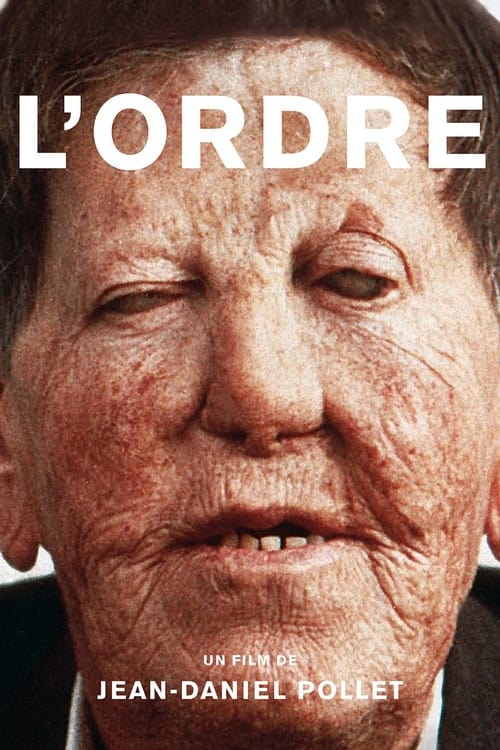
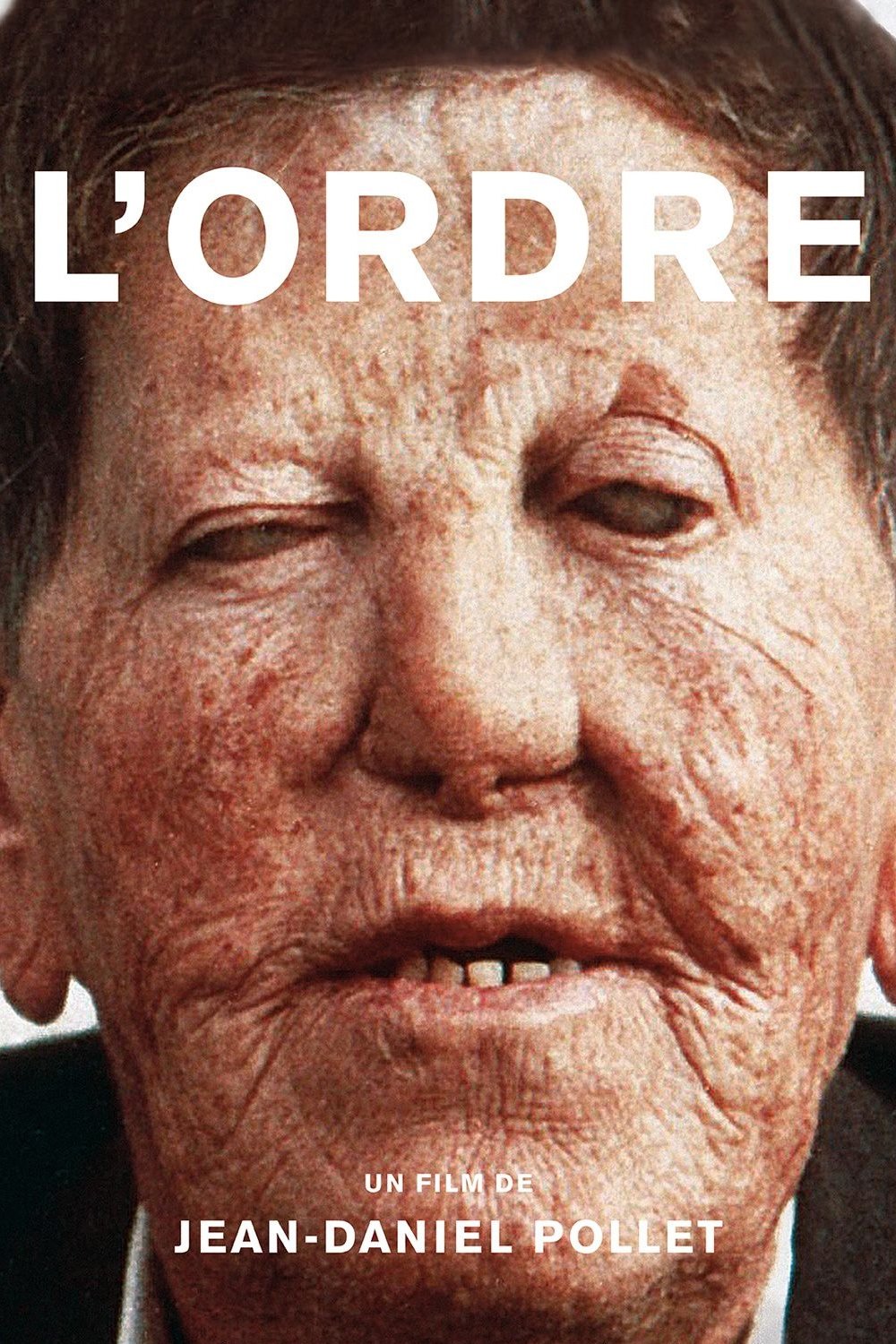
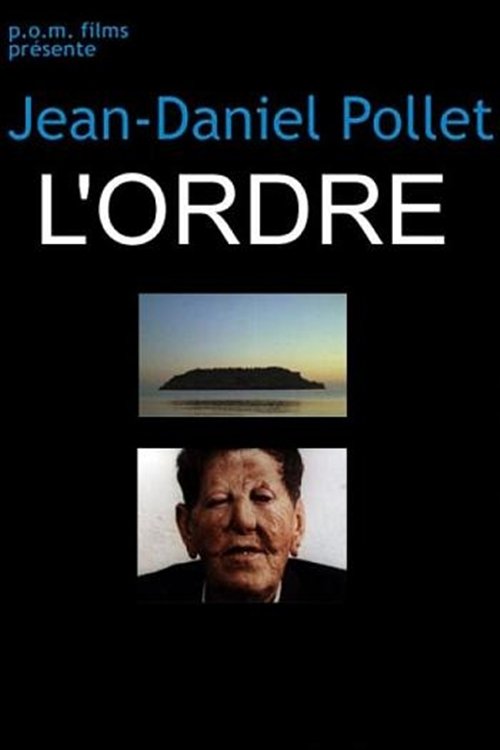
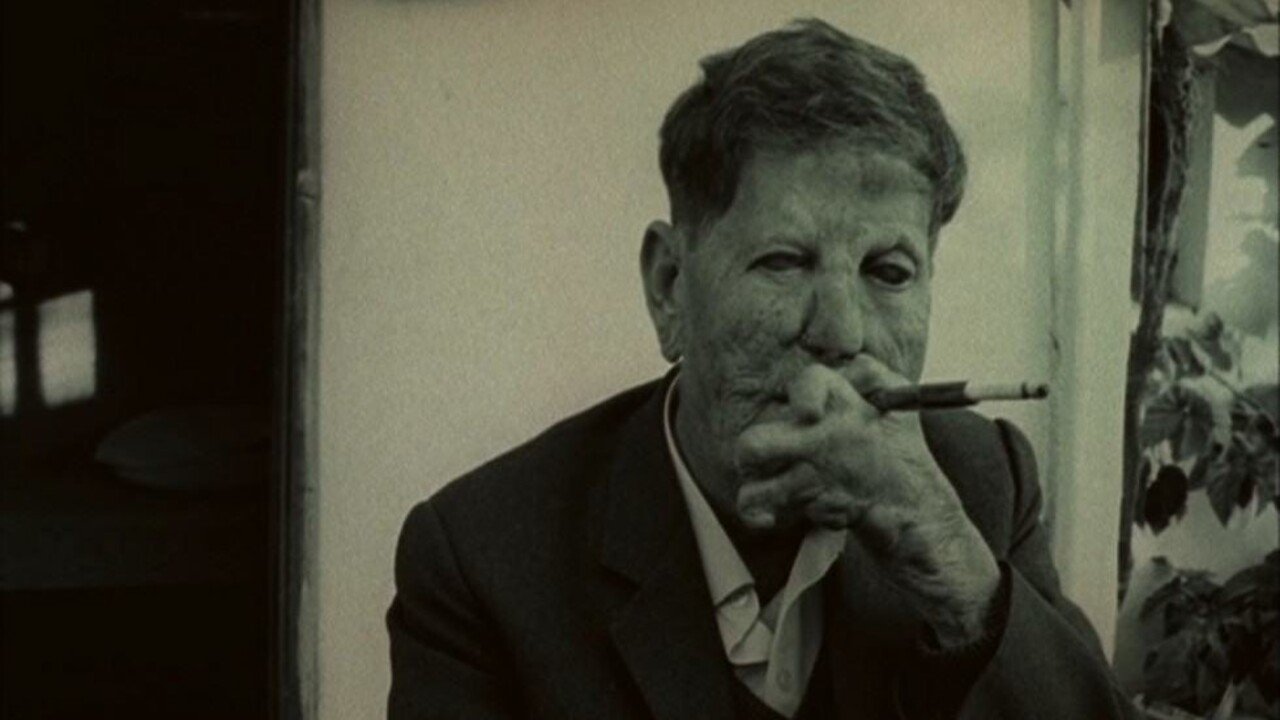
Pollet provides an insight into life on the leper colony of Spinalonga, an island off Crete, through the eyes of Raimondakis, who tells the story of his life to the camera after having been excluded from his community to spend years of his life on the island with his fellow sufferers. Themes addressed include love, community, companionship and death and the importance of these values to all people whatever their state of health.
Director
Writer
Status
Released
Original Language
FR

[Here] Pollet made a work that is the very definition of what French critics like to call an ovni or ufo (as in ‘unidentified filmic object’). [It] has been described as being ‘like a comet in the sky of French cinema,’ an ‘unknown masterpiece,’ and an ‘unprecedented’ work that refuses interpretation even as it has provoked reams of critical writing. Its rhythmic collage of images – a girl on a gurney, a fisherman, Greek ruins, a Sicilian garden, a Spanish corrida – is accompanied by an abstract commentary written by Sollers, and only the somber lyricism of Antoine Duhamel’s score holds the film’s elements together. At first viewing, you fear that [it] might fly apart into incoherent fragments. Instead, over the course of its 45 minutes it invents its own rules, and you realize you’re watching something like the filmic channeling of an ancient ritual.

In answer to an orphan boy's prayers, the divine Lord Krishna comes to Earth, befriends the boy, and helps him find a loving family.