User Score
7 votes
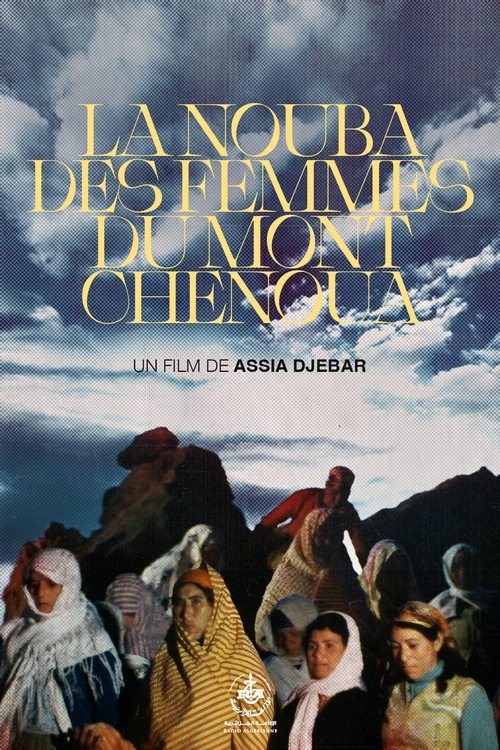
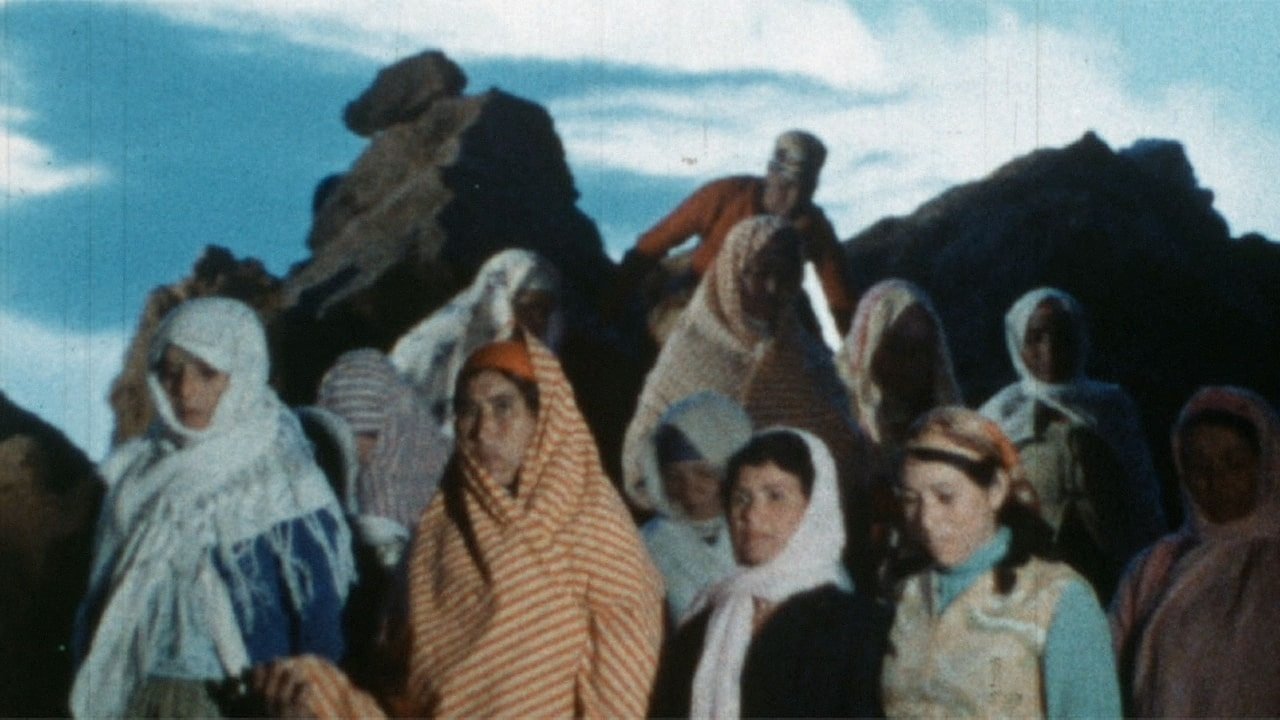
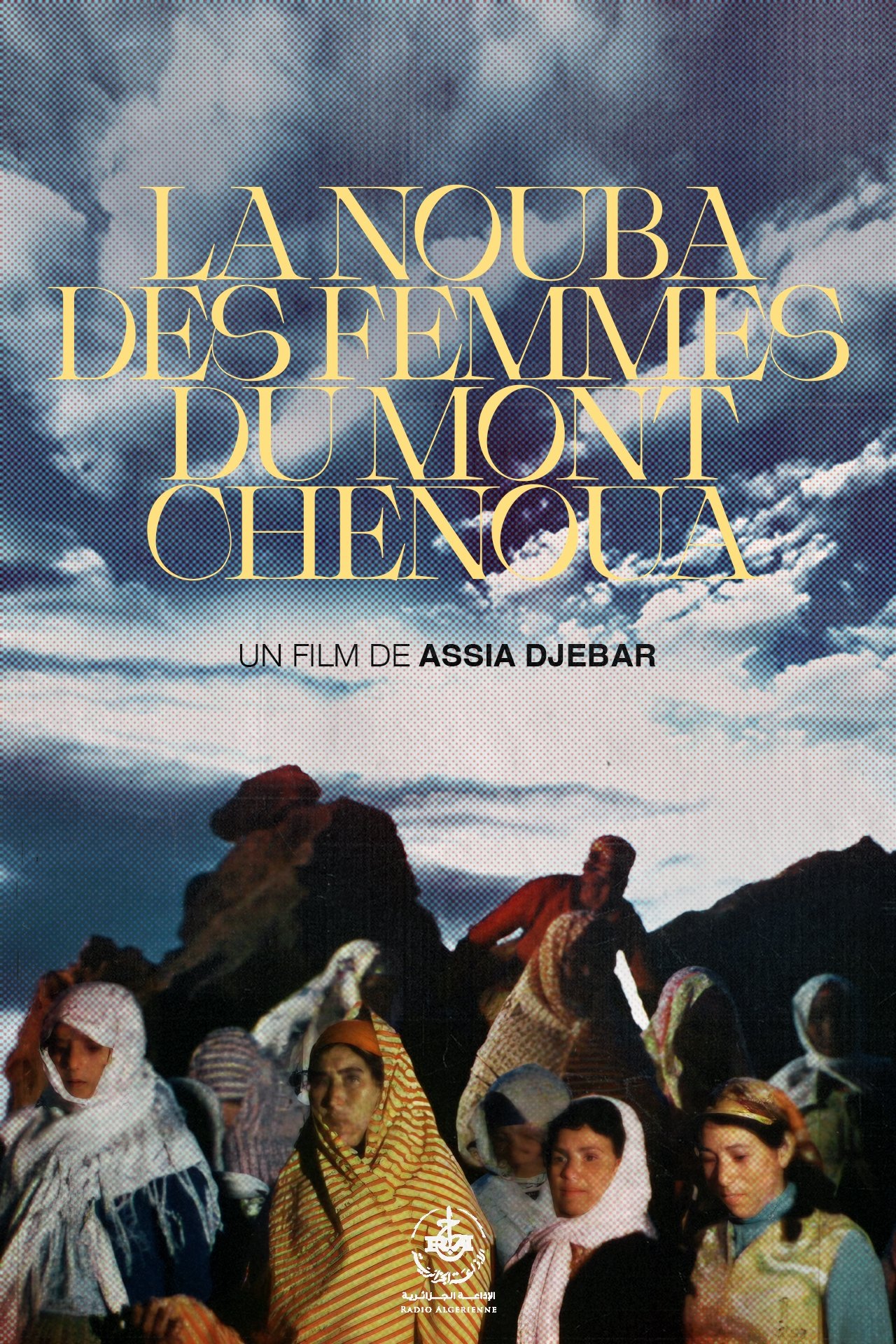
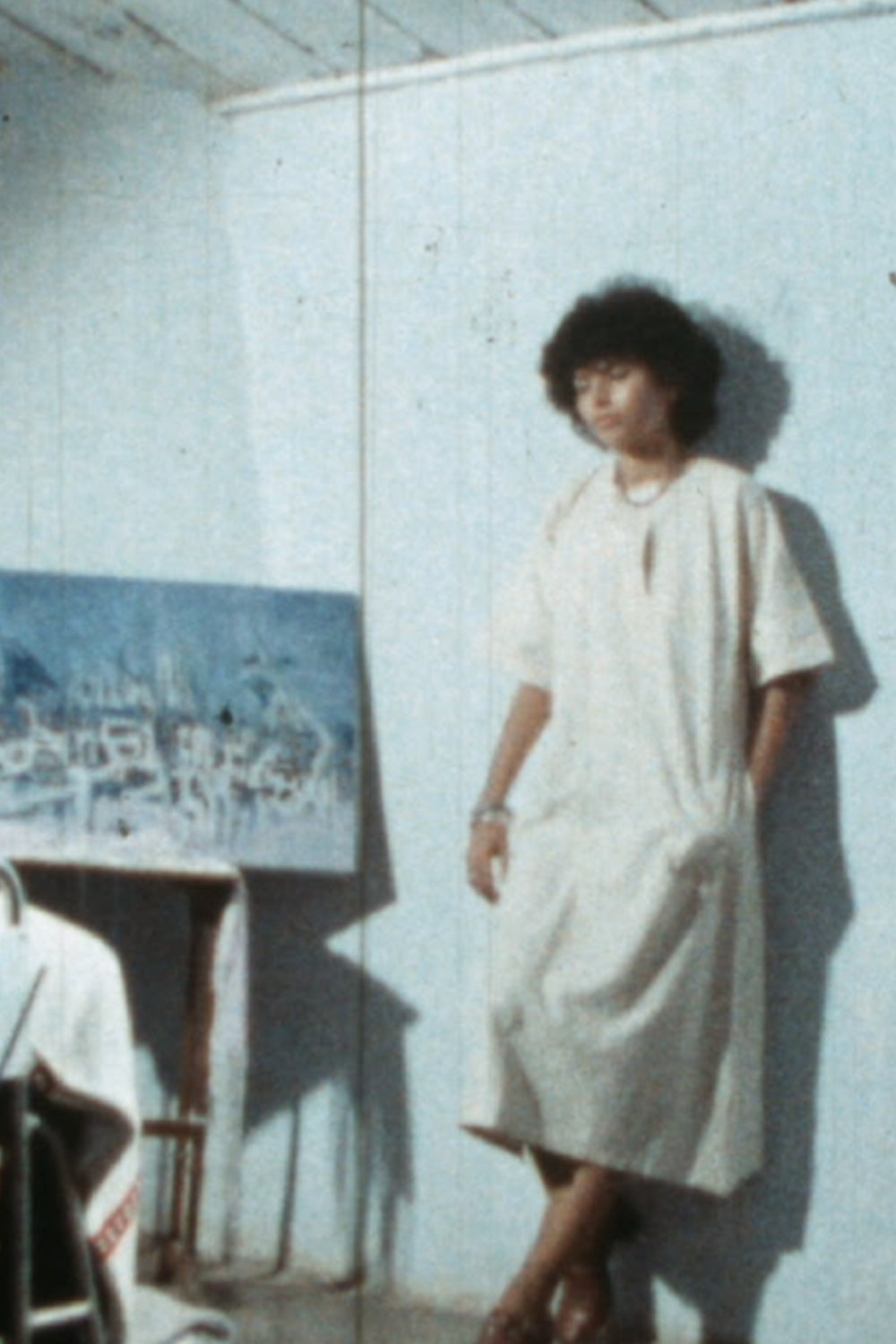
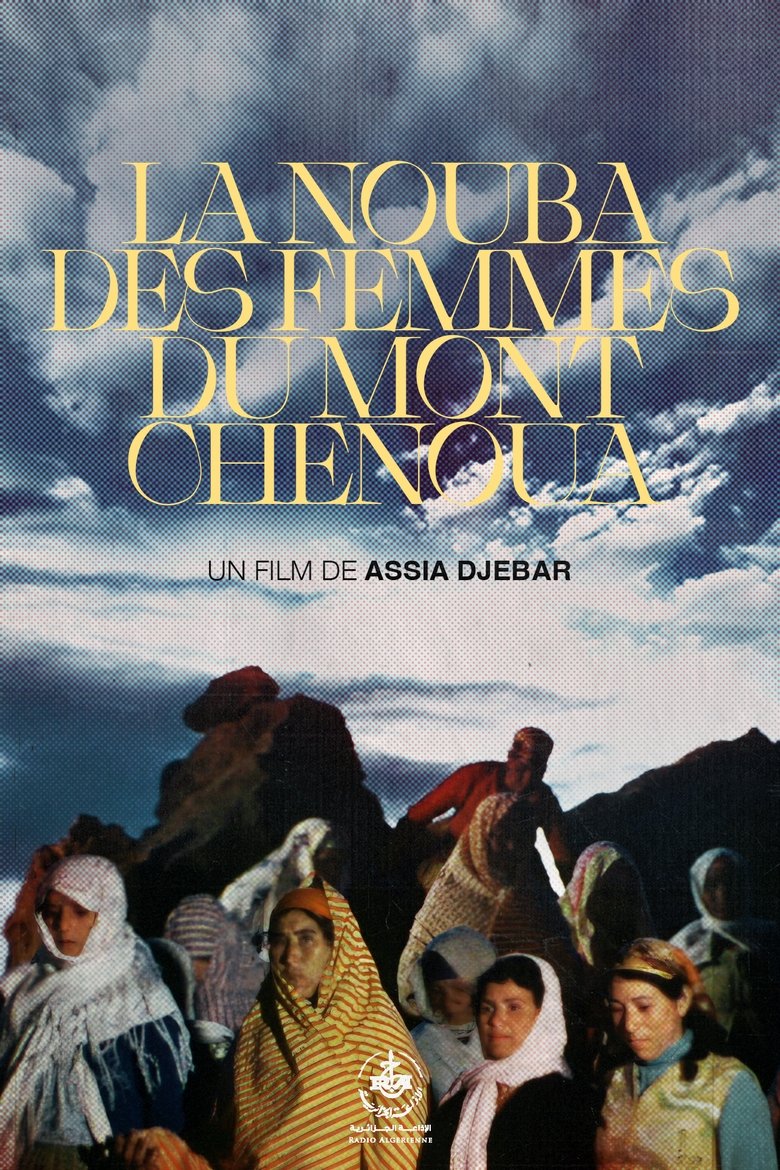
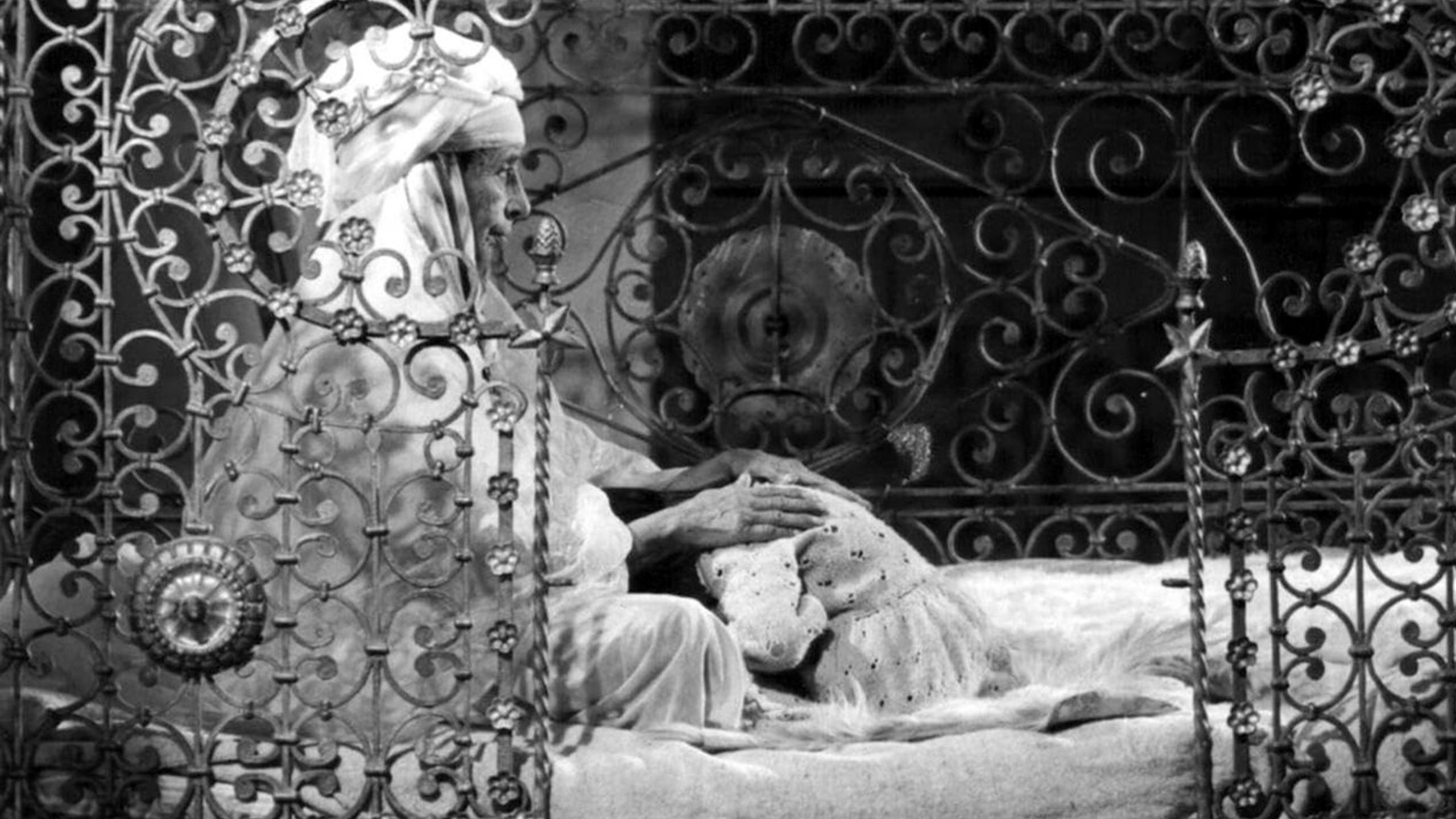
Writer and filmmaker Assia Djebar explores Algerian history, the psychological impact of war, and post-colonial female identity in this 1979 classic of film literature. Named for (and taking its structure from) a traditional song with five distinct movements, the film combines documentary-style observation with loose narrative form to tell the story of Lila, an Algerian expatriate returning to her country 15 years after independence has been won. In comparing her life with the lives and experiences of rural Algeriennes, Lila is able to put her childhood demons to rest and discover a new history -- one written in the ongoing strength of generations of women. Like much of Djebar's writing, the film has a strong subtext dealing with resistance to patriarchy and women's desire to appropriate the means of power and expression -- one of which, of course, is the filmmaker's camera.
Director
Writer
Status
Released
Original Language
AR
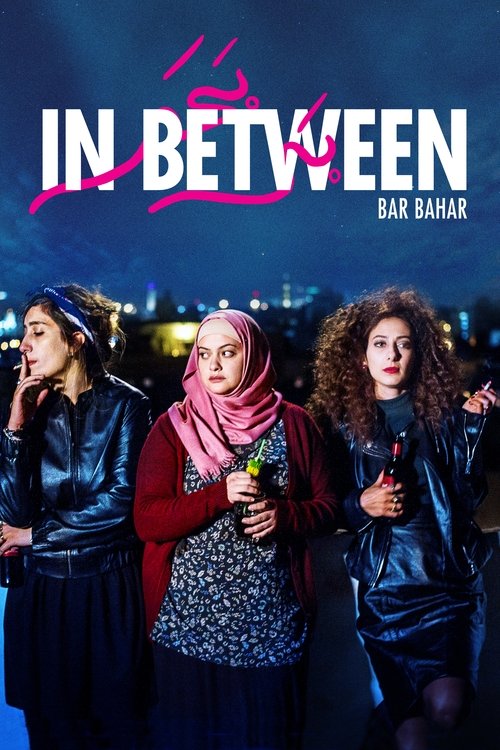
The film captures the daily duality of three young Palestinian women in Tel Aviv, caught between hometown tradition and big city abandon, and the price they must pay for a lifestyle that seems obvious to many: the freedom to work, party, have sex, and choose.