User Score
1 votes
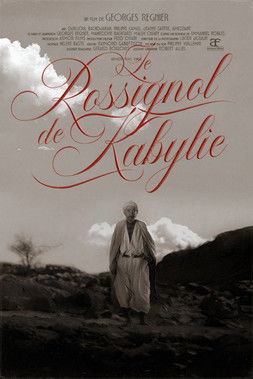
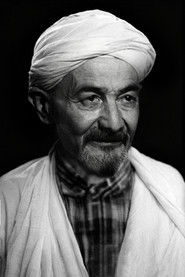
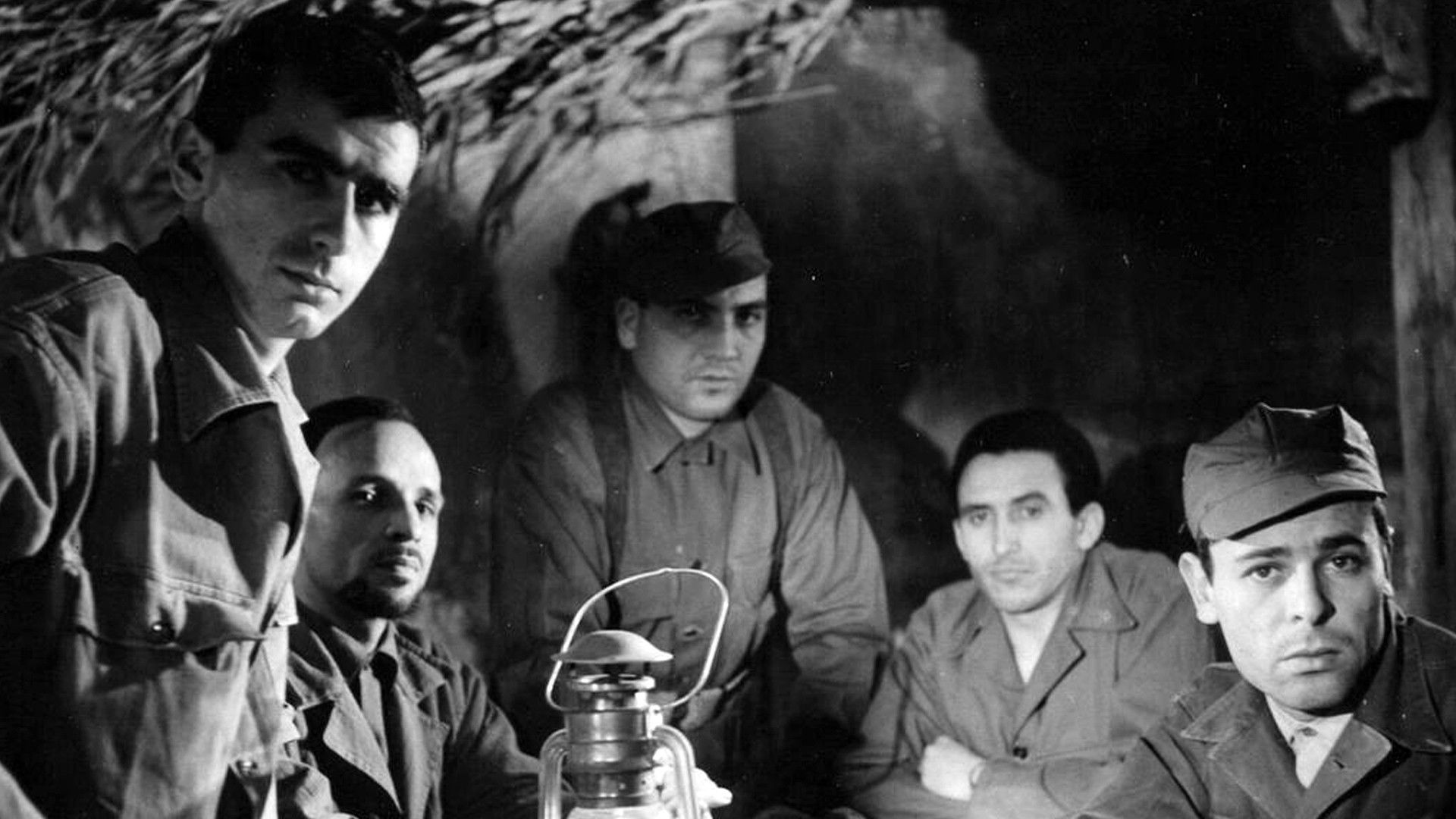
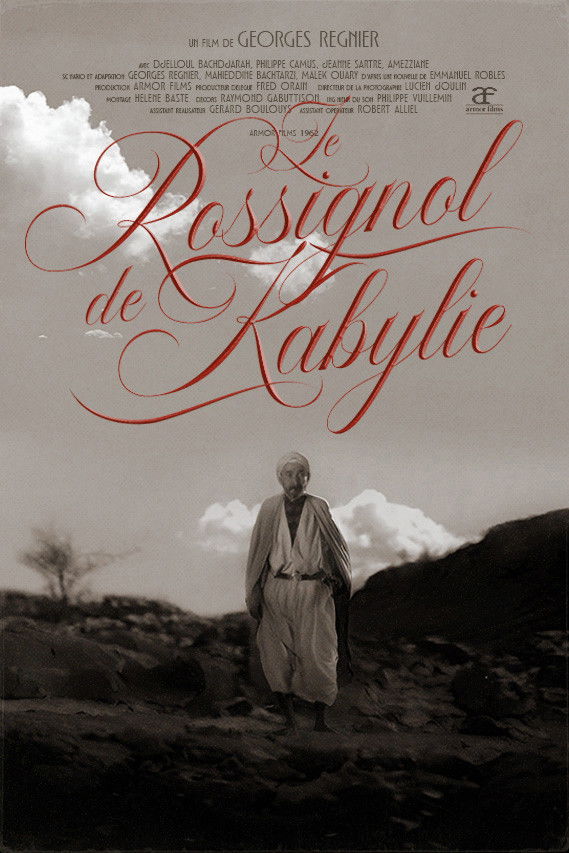
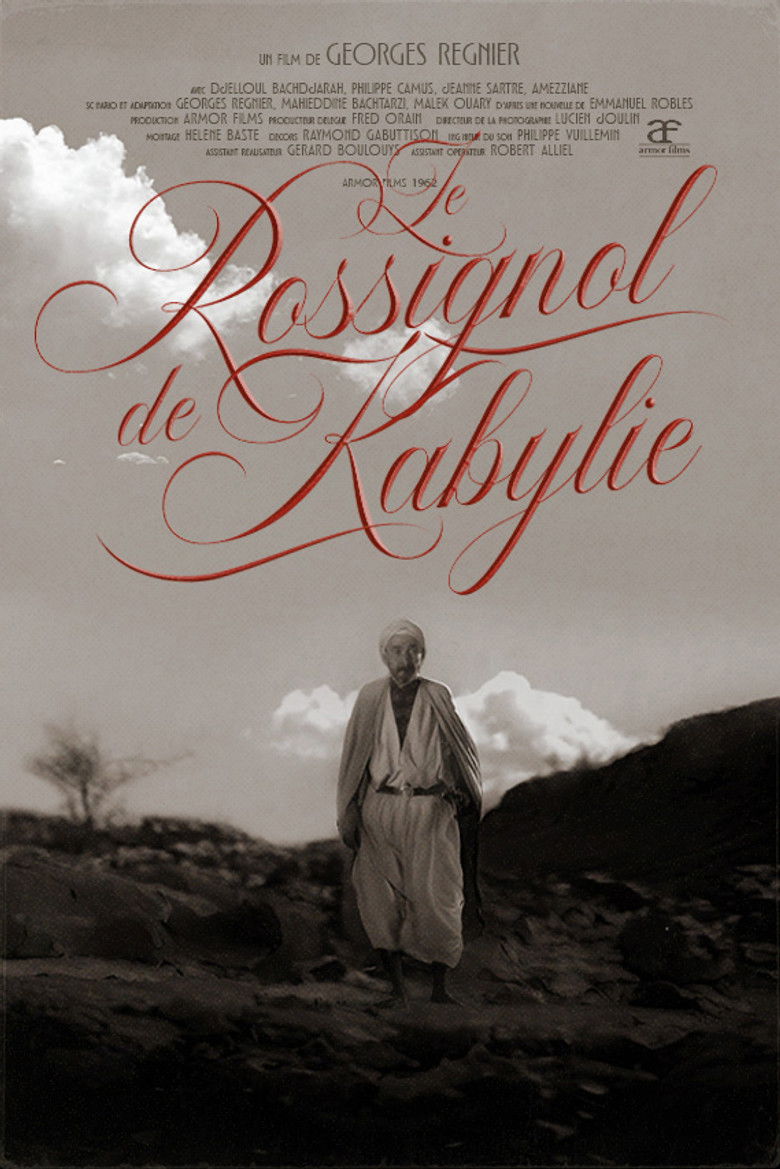
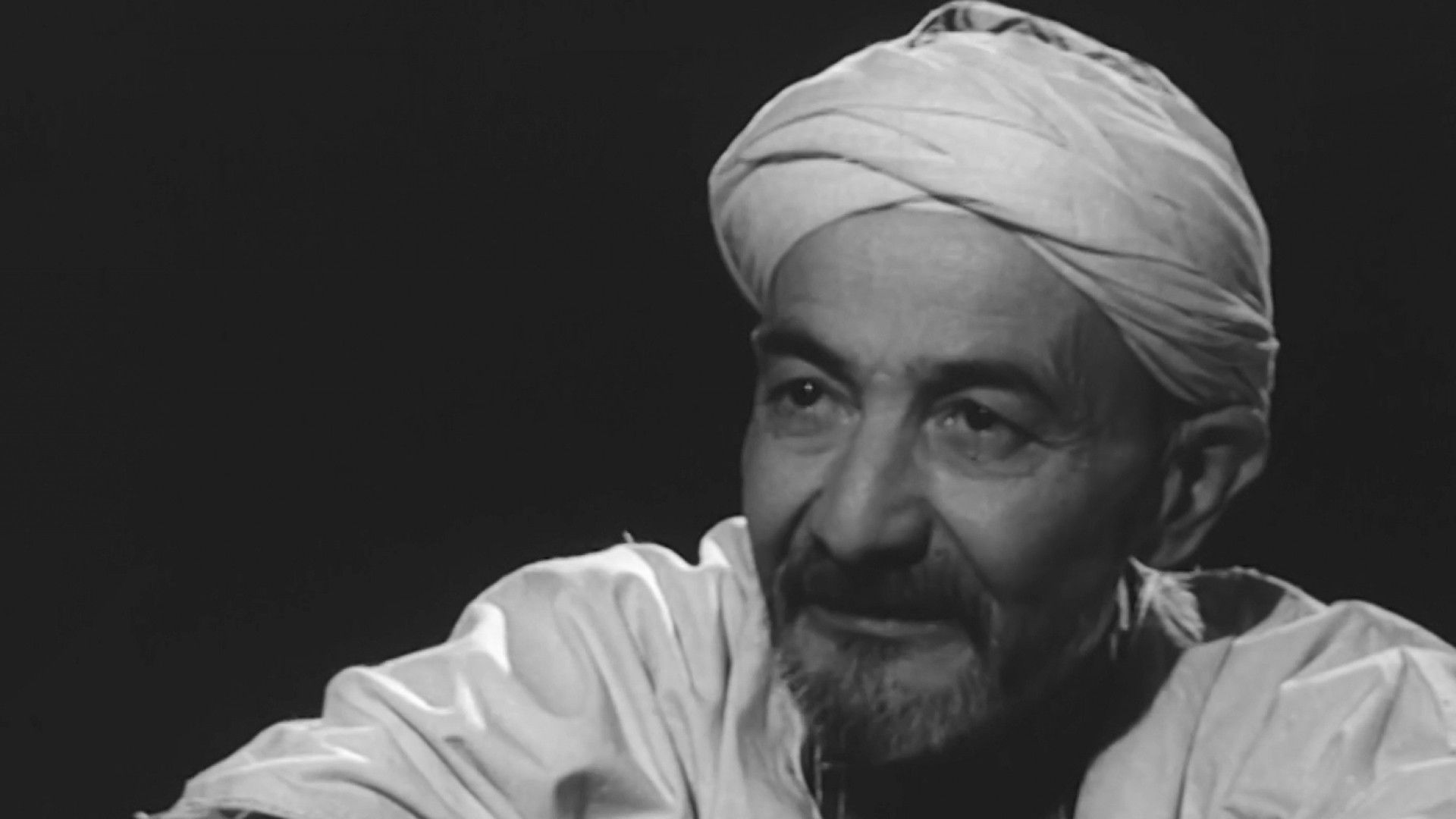
This story, set against the backdrop of the Algerian War, could be an oriental tale. The "Nightingale of Kabylia" is the nickname given to old Ahieddine, a poet who lives in a mountain village. Ahieddine receives a visit from a young French officer. What does the officer want? Information, no doubt. The lieutenant, who once studied the Kabyle language, simply wants to visit a renowned poet, speak with him, and hear him recite a poem. Such a visit will be difficult to justify to the men of the maquis. That very evening, Ahieddine is summoned to appear before a tribunal of maquisards. He is condemned to death for treason. Does he have a wish before he dies? Yes, to compose one last poem, the poem of his death. He improvises a poem; the men listen, moved by the words of their own language, which express the poetry of their people. They pardon old Ahieddine and grant him his freedom. Destiny, however, awaited at the bend of a mountain path, the "Nightingale of Kabylia".
Director
Status
Released
Original Language
FR
Algiers, 1938. Meursault, a quiet and unassuming employee in his early thirties, attends his mother's funeral without shedding a tear. The next day, he begins a casual affair with Marie, a work colleague. He quickly slips back into his usual routine.