User Score
2 votes
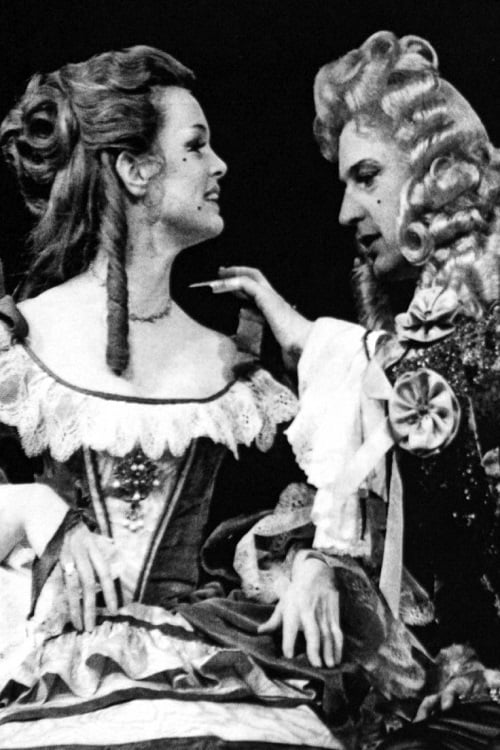
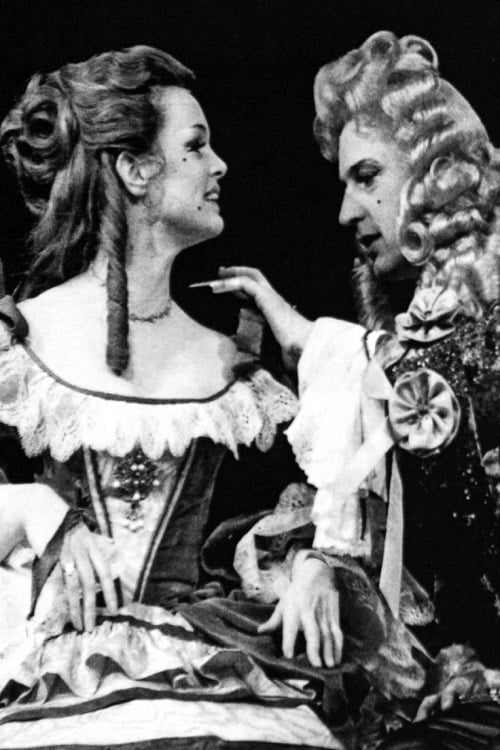
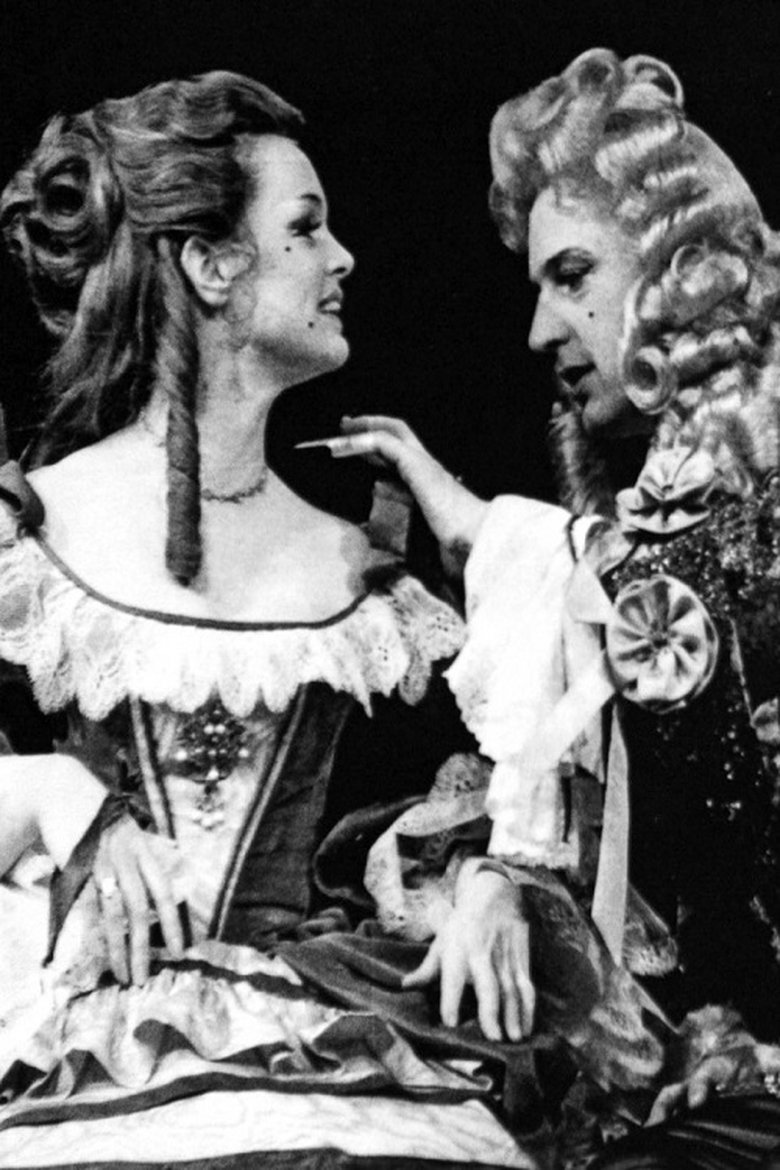
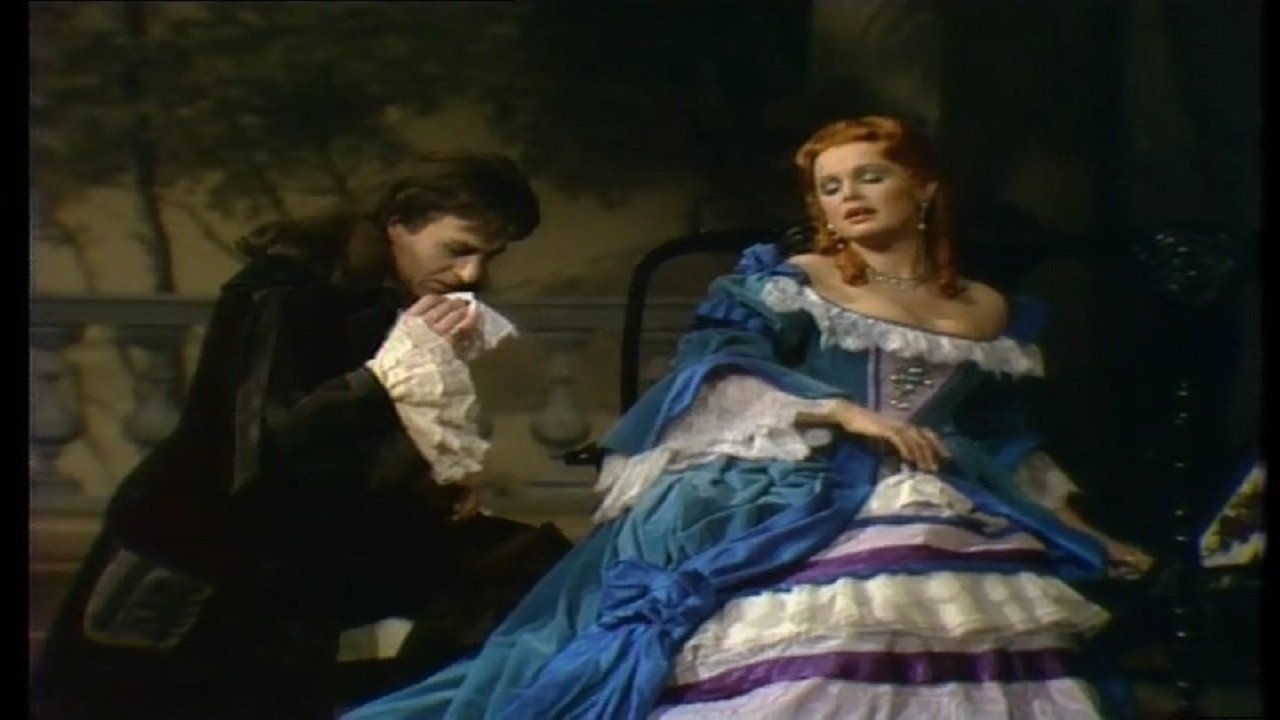
Bergman took one of his favourite plays to Copenhagen for a guest performance, which was even broadcast on Danish TV. In his Copenhagen The Misanthrope, Bergman maintained a dual approach. On the one hand, a production of Molière's play as a theatrical game performed in style and intellectually conceived; on the other hand, an exposure, through physical and psychological intensity, of the emotional tragedy in which Alceste and Celemine are both victims. Expectations were high prior to Bergman's production of The Misanthrope. A reviewer wrote, 'For the first time Molière's connection to the Danish stage is intercepted by a director whose forte is physiological tragedy, Strindberg over Holberg'. Many reviews had expected Bergman to put his very personal stamp on the production. Instead they experienced 'a clean Molière' and were struck by Bergman's faithfulness to the original mise-en-scene and to the classical rhythm of Molière's text.
Director
Status
Released
Original Language
DA
Alceste
Alex, Marty, and other zoo animals find a way to escape from Madagascar when the penguins reassemble a wrecked airplane. The precariously repaired craft stays airborne just long enough to make it to the African continent. There the New Yorkers encounter members of their own species for the first time. Africa proves to be a wild place, but Alex and company wonder if it is better than their Central Park home.