
User Score
0 votes
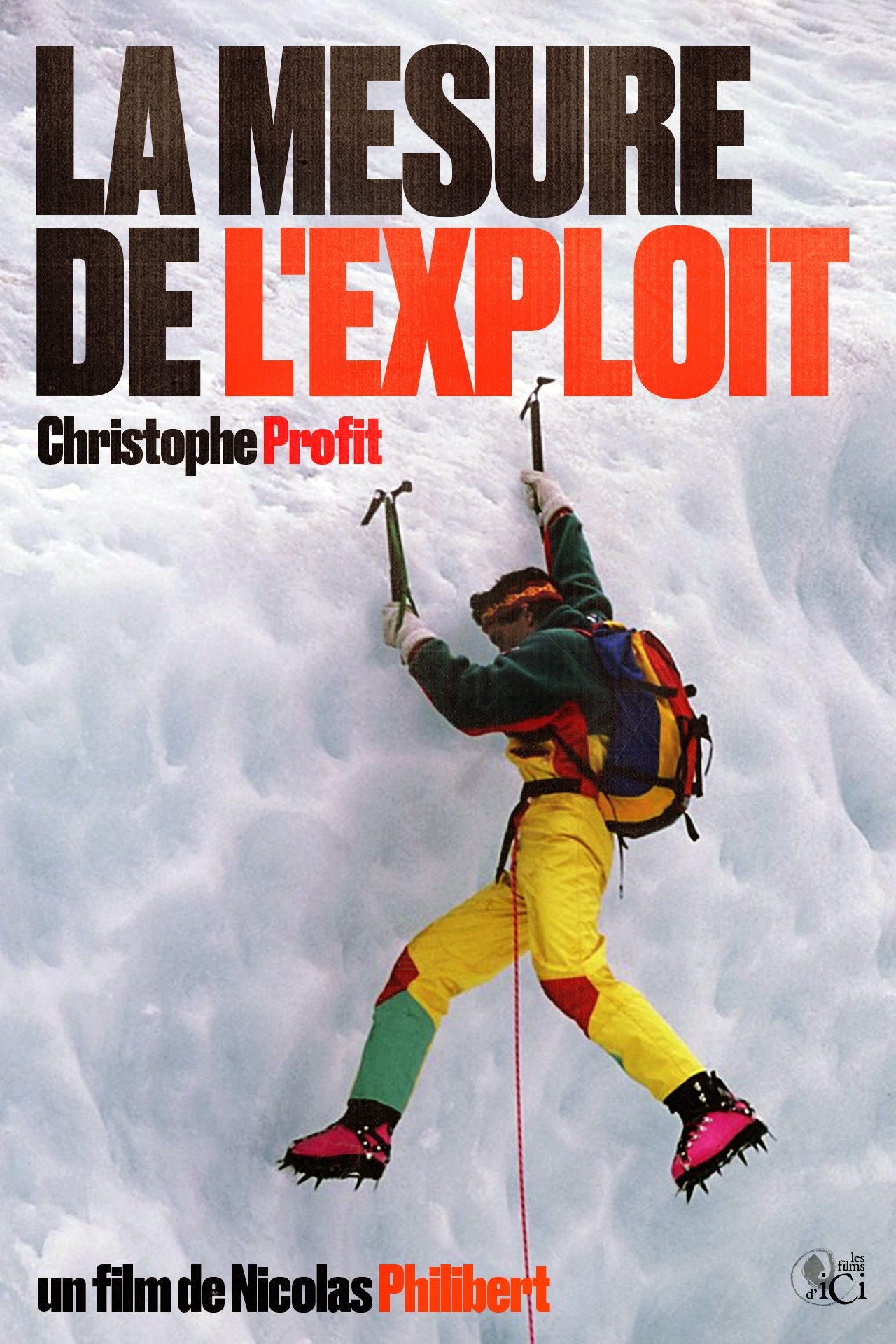
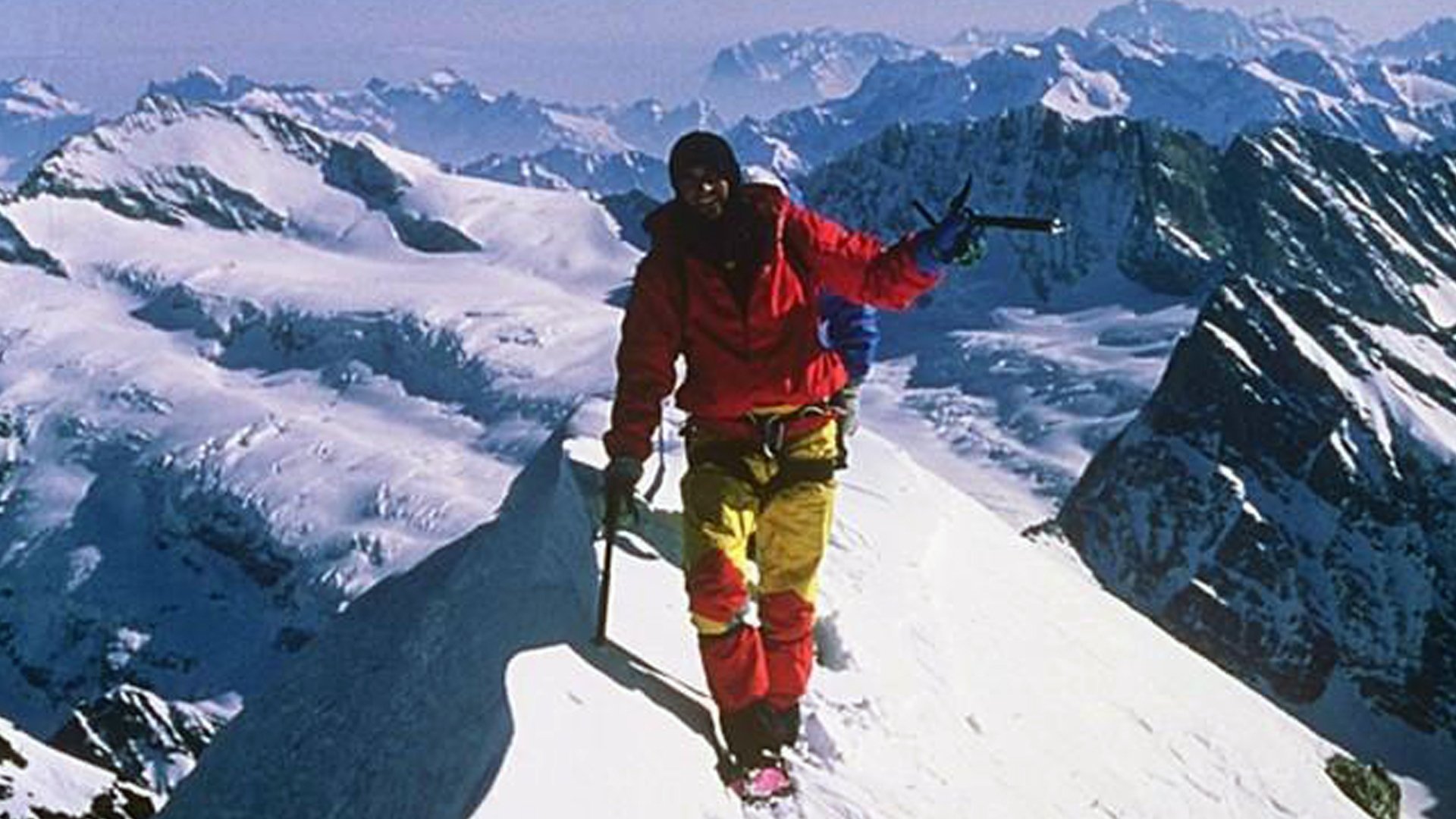
A film about the preparation of the "Trilogy For a Single Man," about the medical and nutritional monitoring of French mountaineer Christophe Profit during his climbing "trilogy" and the period of intensive training that preceded one of the most fabulous "chains" ever made by a mountaineer. On March 12 and 13, 1987, Christophe Profit, then 26, successfully climbed the three largest north faces of the Alps in winter in 40 hours: Grandes Jorasses, Eiger, Matterhorn. But beyond this coverage of the event, it is the behind-the-scenes that is revealed, the story of this project, the ups and downs of its preparations and the personality of its author, a dancer of the verticals, who concentrates at his fingertips the energy and reflexes of life itself.
Director
Status
Released
Original Language
FR
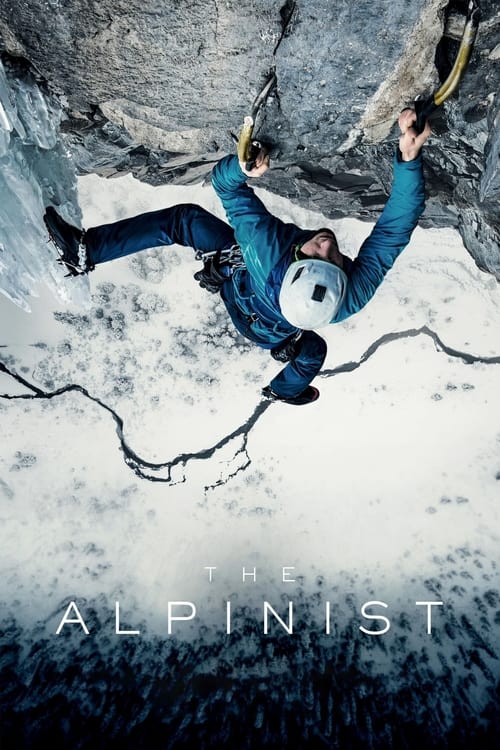
Marc-André Leclerc, an exceptional climber, has made solo his religion and ice his homeland. When filmmaker Peter Mortimer begins his film, he places his camera at the base of a British Columbia cliff and waits patiently for the star climber to come down to answer his questions. Marc André, a little uncomfortable, prefers to return to the depths of the forest where he lives in a tent with his girlfriend Brette Harrington. In the heart of winter, Peter films vertiginous solos on fragile ice. He tries to make appointments with the climber who is never there and does not seem really concerned by this camera pointed at him "For me, it would not be a solo if there was someone else" . Marc-André is thus, the "pure light" of the mountaineers of his time, which marvel Barry Blanchard, Alex Honnold or Reinhold Messner, interviewed in the film. An event film for an extraordinary character.