
User Score
1 votes
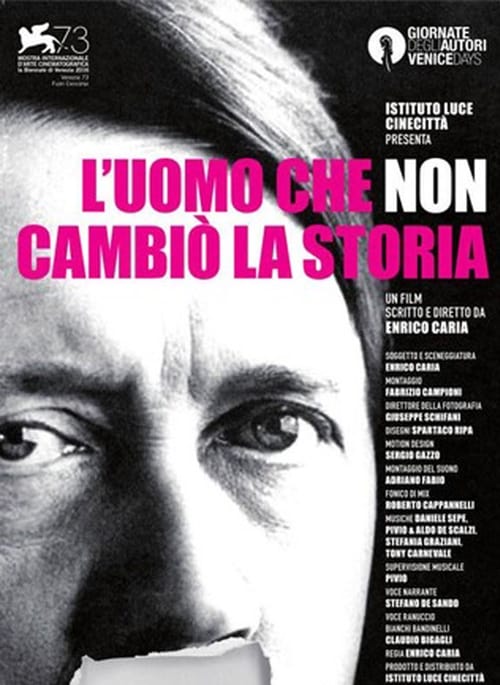
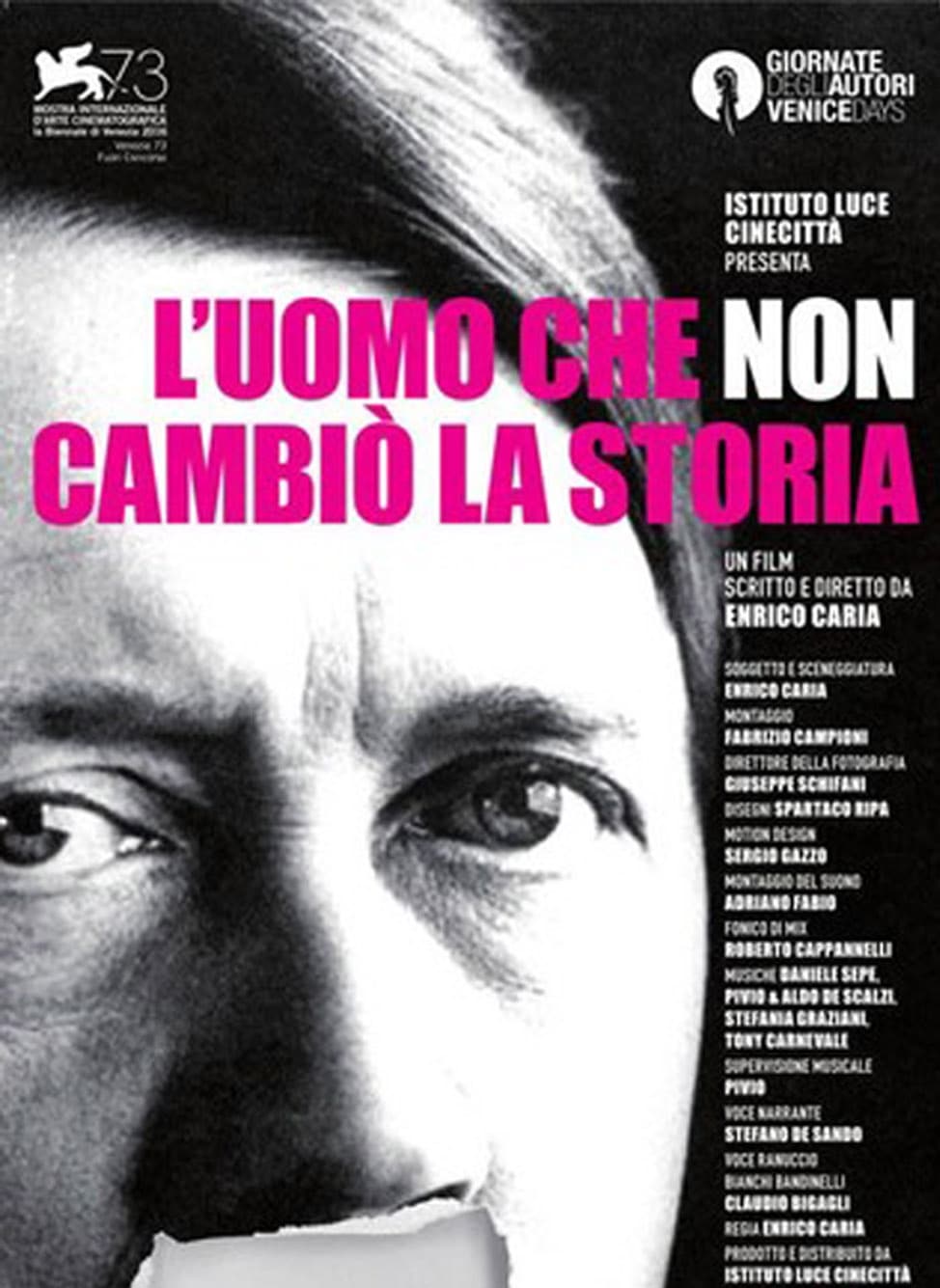
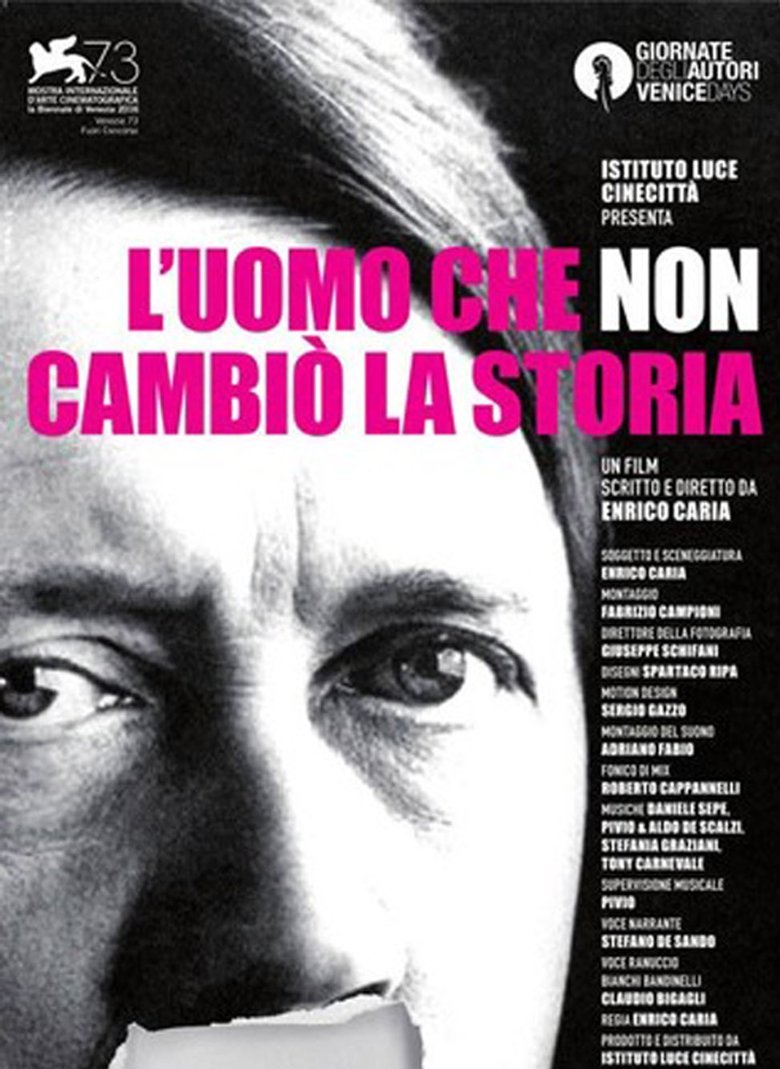
The "man who didn't change history" was a university professor: Ranuccio Bianchi Bandinelli, esteemed Italian scholar of Roman art and a founding father of modern archaeology. A figure that the Fascist regime could be proud of, in the 1930s, if it weren't for the fact that the professor was firmly anti-Fascist. Things came to a head over Hitler's famous journey to Italy in 1938, when Bandinelli was courteously invited to accompany Mussolini and the Führer, serving as tour guide and interpreter at the museums and archaeological sites. Now the dilemma arose: don the uniform and salute the two detested dictators, or compromise a lifetime of study, his career and even his personal safety? When the invitation turned into a peremptory order that Bandinelli couldn't refuse, he no longer had a choice.
Director
Status
Released
Original Language
IT

When Allied forces liberated the Nazi concentration camps in 1944-45, their terrible discoveries were recorded by army and newsreel cameramen, revealing for the first time the full horror of what had happened. Making use of British, Soviet and American footage, the Ministry of Information’s Sidney Bernstein (later founder of Granada Television) aimed to create a documentary that would provide lasting, undeniable evidence of the Nazis’ unspeakable crimes. He commissioned a wealth of British talent, including editor Stewart McAllister, writer and future cabinet minister Richard Crossman – and, as treatment advisor, his friend Alfred Hitchcock. Yet, despite initial support from the British and US Governments, the film was shelved, and only now, 70 years on, has it been restored and completed by Imperial War Museums under its original title "German Concentration Camps Factual Survey".

In this genre-bending tale, Errol Morris explores the mysterious death of a U.S. scientist entangled in a secret Cold War program known as MK-Ultra.